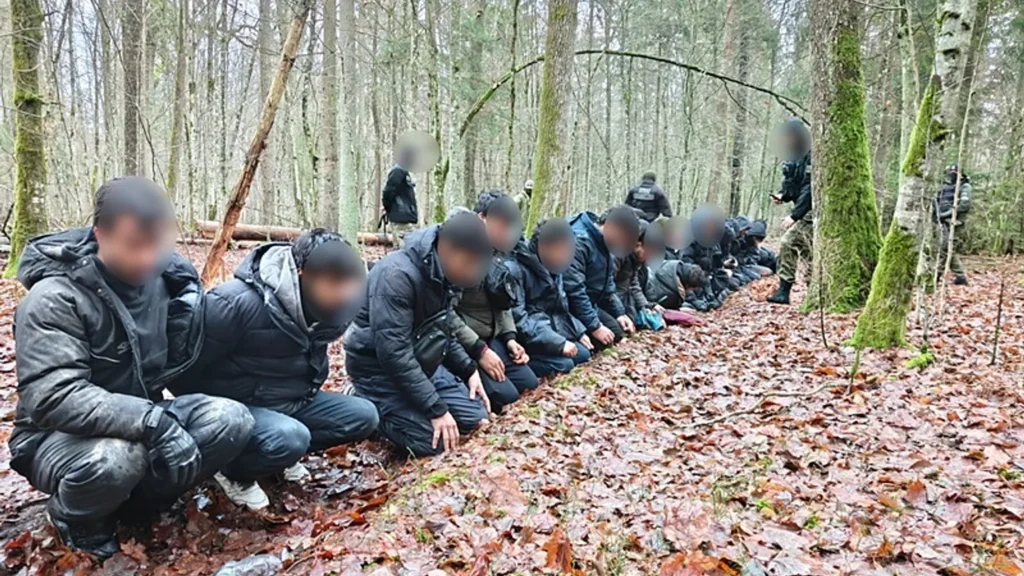
The story of Poland stops illegal migrants has now sparked a new debate on border security in Europe. The first half of 2026 saw a tremendous drop in illegal infiltration attempts at the border between Poland and Belarus. About 235 illegal entry attempts were recorded between January and June 2026, according to the Polish Interior Ministry. This number is more than 98% lower than the more than 15,500 attempts of the same period in 2025.
iron walls and electronic surveillance
Poland’s strategy is not limited to a simple wall. The country has built a steel barrier about 186 kilometers long and 5.5 meters high on the Belarus border. Electronic surveillance systems have also been installed in an area of about 206 km. The system aims to quickly identify suspicious activity at the border and help security forces take immediate action. About 700 million euros have been spent on border security, according to Polish authorities.
The outcome figures are quite dramatic. In the first six months of 2026, Polish authorities said that of the 235 attempts recorded, none were recorded as successful illegal entry. The ministry has presented this situation as 100% effectiveness of the border security system. However, statistics such as “zero successful illegal entry” are mainly based on government assessments, as it can be difficult to independently count every entry that goes undetected.
The real reason behind Poland stops illegal migrants
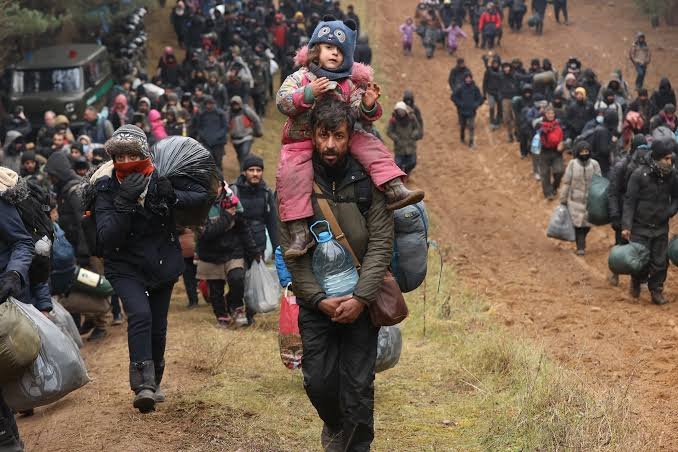
The process of increasing border security accelerated after the 2021 migration crisis. At the time, thousands of migrants were trying to enter Poland via Belarus. 2024 and 2025 also recorded thousands of attempts. Now, in 2026, the number has suddenly reached a few hundred. Local reports from the Polish Border Guard also confirm the decline. A July 2026 report showed more than 260 attempts since the beginning of the year, compared to more than 16,600 recorded in the same period last year.
However, there is another side to the story. Human rights groups have been questioning Poland’s border policy. According to Amnesty International, in 2025 Poland temporarily suspended the right to asylum applications at the Belarus border. The institution said the policy increased the risk of pushbacks and could conflict with international law.
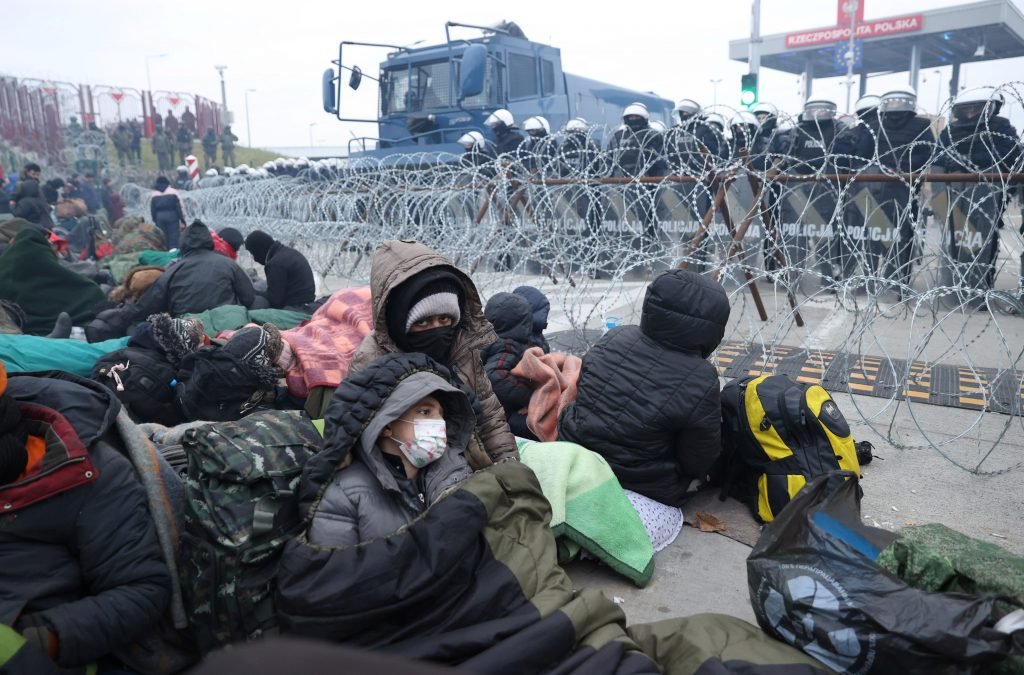
Human Rights Watch also accused Poland of continuing pushbacks. According to its 2026 report, many rights groups claimed that migrants were returned to Belarus, while in some cases there were problems accessing the asylum process. The issue remains a major dispute between Poland’s security needs and the rights of migrants.
Yet security statistics paint a strong picture in favor of Poland. The change from more than 15,500 attempts to about 235 is not trivial. It shows that steel barriers, electronic surveillance, additional security forces and tighter border policies may have had a combined effect.
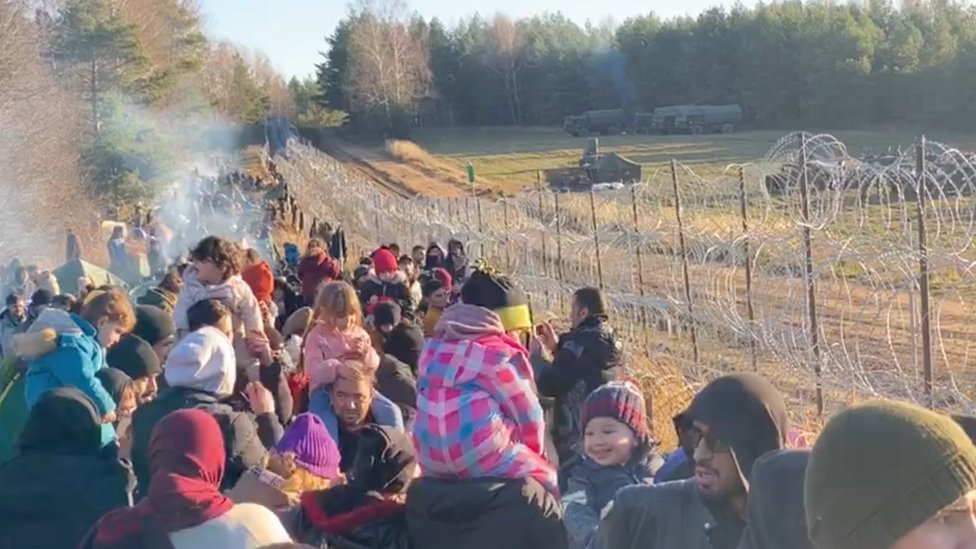
However, the success of this model is accompanied by questions of human rights and the asylum process. The Polish experience is now an important example for other European countries in the security versus human rights debate.