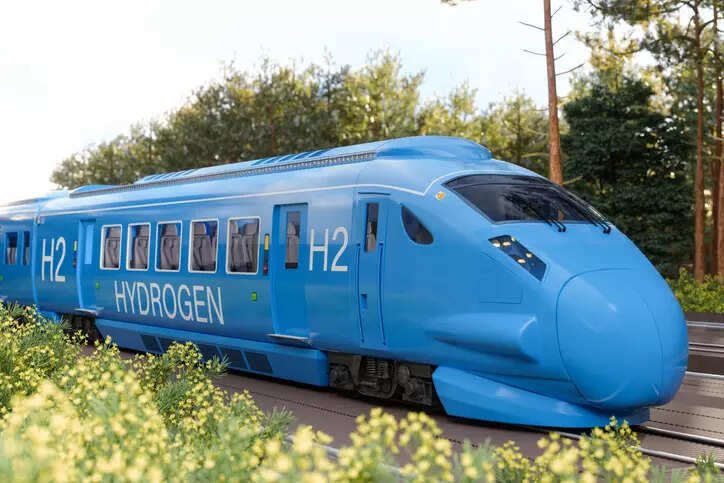
Hydrogen train technology is being rapidly advanced in India to make the railway system cleaner, more modern, and environmentally friendly. Indian Railways had previously planned to operate 35 hydrogen trains under the “Hydrogen for Heritage” scheme, specifically targeting heritage and hilly routes where conventional electrification might be technically or economically challenging.
India’s First Hydrogen Train Ushers in a New Era
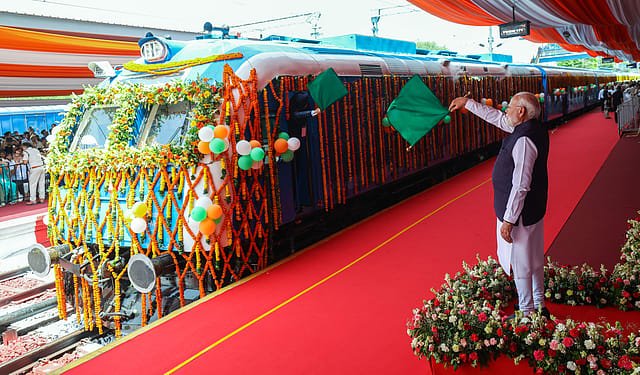
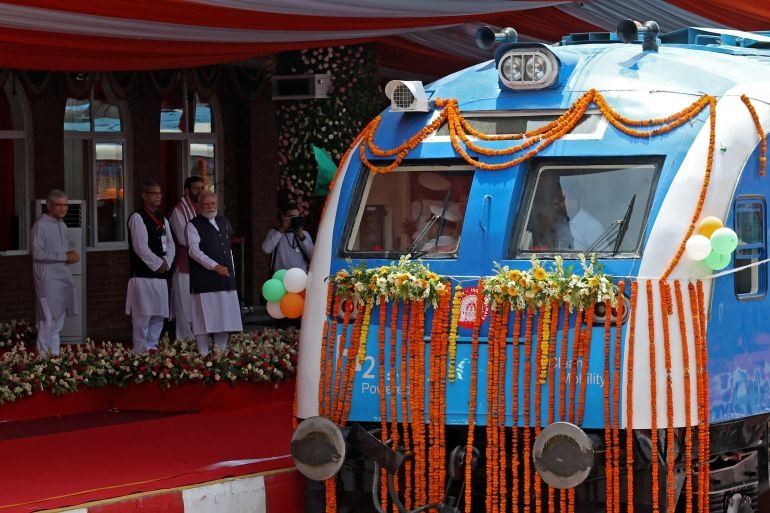
On July 17, 2026, India’s first indigenous hydrogen fuel-cell train was launched on the Jind-Sonipat section. This 10-coach train is equipped with two hydrogen-powered driving units delivering a total power output of 2,400 kW. It has an operational speed of 75 km/h and a design speed of 110 km/h.
Hydrogen fuel-cell trains generate electricity through a chemical reaction between hydrogen and oxygen. The primary direct by-product of this process is water vapor, eliminating the smoke or tailpipe carbon emissions associated with traditional diesel engines.
Why is the Target of 35 Trains Significant?
For Indian Railways, hydrogen trains offer the most significant utility on routes where installing overhead electric lines is difficult. These include hilly, remote, and historic heritage railway routes.
In 2023, the government announced plans for 35 hydrogen trains across various heritage and hill routes. At the time, it was estimated that each train would cost approximately ₹80 crore, with an additional ₹70 crore required for ground infrastructure on each route.
However, the cost of green hydrogen remains one of the major challenges to the large-scale implementation of hydrogen trains. Initially, it was projected that the operating costs for hydrogen-fuelled trains would be high.
Focus on Reducing Green Hydrogen Costs
Indian Railways is now working on options to reduce hydrogen costs and develop a broader supplier base. According to recent reports, the Railways is considering measures such as expanding the pool of suppliers and providing long-term offtake assurances to lower the procurement cost of green hydrogen. Dedicated storage and refueling infrastructure for hydrogen trains has also been established in Jind. An electrolysis-based plant for green hydrogen production is also part of the project.
New Hope for Heritage Railways
Indian Railways is exploring the possibility of using hydrogen technology on heritage railway routes in the future. These include mountain routes such as the Kalka-Shimla Railway. On such routes, hydrogen trains can reduce environmental impact while integrating historic rail heritage with modern technology.
The successful operation of India’s first hydrogen train will provide the Railways with practical insights into the technology’s reliability, safety, and operational costs. This experience could play a crucial role in the large-scale implementation of the planned 35-train fleet.
India’s Green Rail Journey
The Indian Railways network has undergone rapid electrification, with over 99% of the broad-gauge network reportedly electrified. Consequently, the aim of hydrogen trains is not to replace existing electric trains but to provide an alternative for specific routes where overhead electrification might be difficult or less feasible.
If the production and procurement costs of green hydrogen decrease in the coming years, adopting hydrogen rail transport on a large scale could become more practical for India. The plan for 35 trains could thus become a significant component of Indian Railways’ long-term vision for green transportation.