
The 2026 Senate election in Michigan is raising several significant political questions for the Democratic Party. Central to this discussion is the dynamic involving Abdul El-Sayed, Detroit, and Black voters.
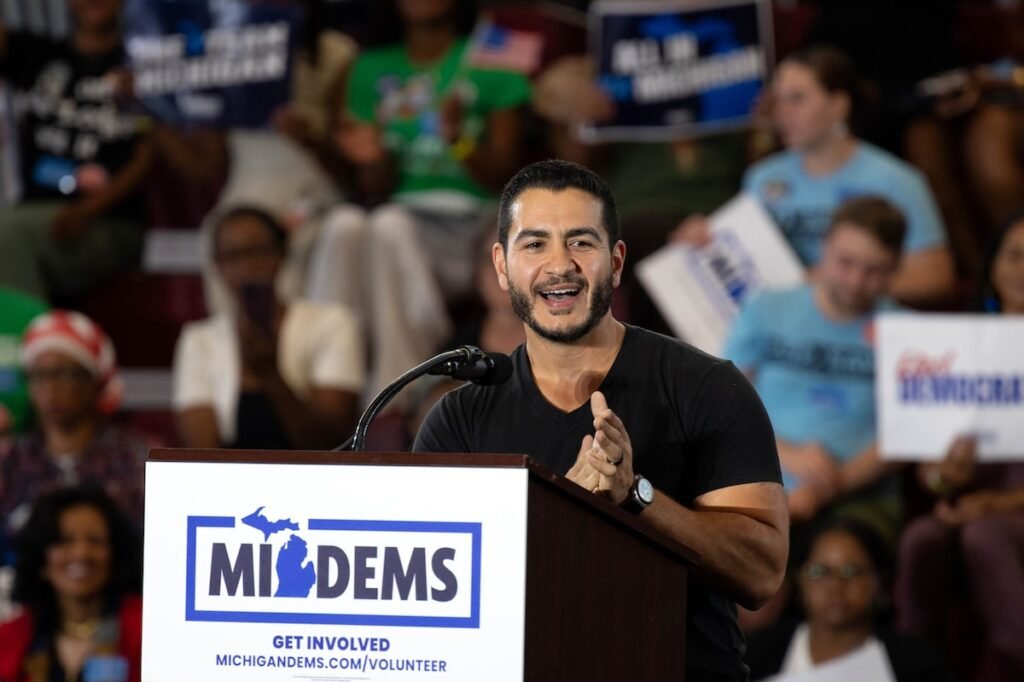
El-Sayed successfully secured the party’s nomination by defeating Haley Stevens in the Michigan Democratic Senate primary. However, a major question remains: just how crucial will the support of Black voters in Detroit and across Michigan be for him in the upcoming general election?
Why are Detroit’s Black voters important?
Black voters are estimated to make up approximately 20 percent of the Democratic primary electorate in Michigan. Consequently, both leading candidates focused heavily on reaching out to Black communities during the primary. Reports indicate that a significant portion of Black voters favored Haley Stevens in the primary, whereas El-Sayed was expected to draw more support from younger and progressive voters.
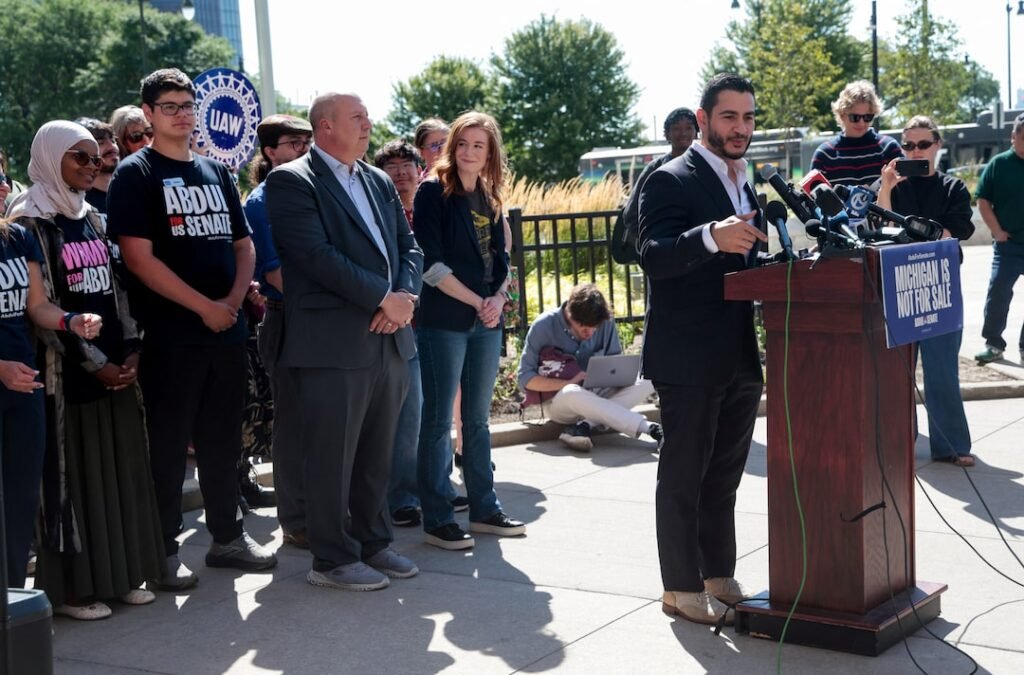
This situation illustrates that the issue of Abdul El-Sayed Black voters Detroit and Detroit’s Black voters is not merely a campaign slogan but a vital component of Michigan’s broader electoral strategy.
Why did El-Sayed face a challenge from Black voters?
El-Sayed’s political message has centered on “Medicare for All,” economic inequality, corporate influence, and grassroots politics. He garnered support from Bernie Sanders and other progressive leaders. However, the traditional strength of moderate candidates among Black Democratic voters posed a challenge for him.
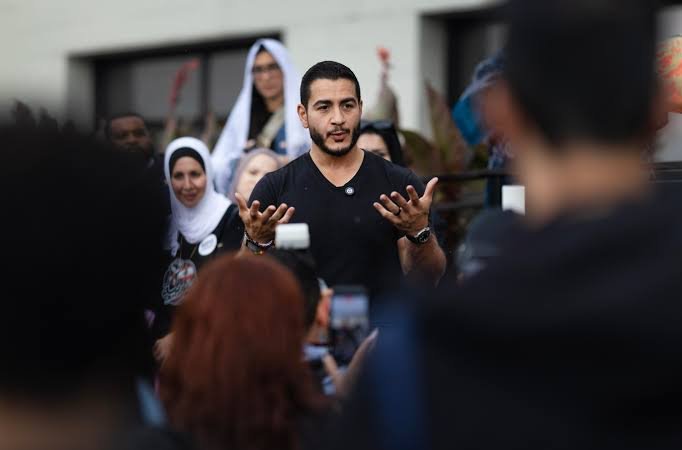
Some Black Democratic leaders also raised questions regarding El-Sayed’s support for the 2024 “uncommitted” protest movement. According to a report by Detroit-based WDET, some Black Democrats in Michigan believed that the protest vote had harmed Kamala Harris. Keith Williams, chair of the Michigan Democratic Party’s Black Caucus, also supported Stevens in the primary.
Are Black voters drifting away from the Democrats?
This claim requires careful scrutiny. Available election reporting does not prove that Black voters in Detroit are collectively abandoning the Democratic Party in favor of the Republican Party or Donald Trump.
However, there is certainly growing debate among Black voters regarding Democratic Party policies, economic issues, and the candidates themselves. Candidate preferences appear to vary across different age groups and social demographics. In a report, Justin Daniels, a Black voter from Detroit, noted that younger Black voters might lean towards El-Sayed, whereas the sentiment among older Black voters was more uncertain.

Therefore, it would be inappropriate to present broad generalizations—such as the claim that “Black voters have left the Democrats”—as established fact.
What does El-Sayed’s primary victory signify?
In the Democratic primary held on August 4, 2026, El-Sayed defeated Stevens in a very close contest. His victory was viewed as a major success for the progressive movement against the Democratic establishment. He is now set to face Republican candidate Mike Rogers in the November general election.
His win also demonstrates that a progressive candidate can secure a Democratic primary victory in a crucial swing state like Michigan. However, winning a primary and winning a general election present distinct challenges.
The role of Detroit in the general election
Detroit has long been a vital electoral base for the Democratic Party. Consequently, maintaining strong ties with Black voters will be crucial for El-Sayed. He faces the challenge of building a coalition that encompasses progressive voters, Black voters, Arab-American voters, working-class voters, and other Democratic constituencies.
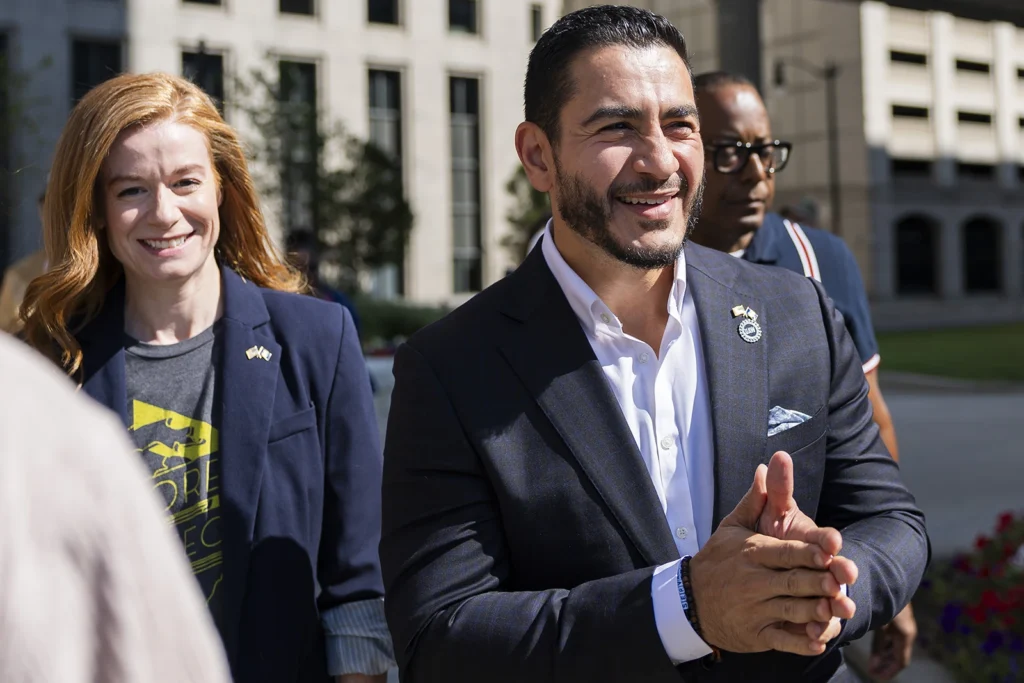
El-Sayed himself has highlighted his long-standing ties to the Black community through his public service career as part of his campaign. He previously served as the director of the Detroit Health Department and later worked with the Wayne County Health Department.
Conclusion
The issue of Black voters in Detroit will remain significant throughout the Michigan Senate race. While there is a mix of support and skepticism regarding El-Sayed among Black voters, it is premature to claim that Detroit’s Black voters are abandoning the Democratic Party en masse.
El-Sayed’s challenge now extends beyond the primary victory to building a broad coalition for the November election. If he can attract sufficient support not only from Detroit’s Black voters but also from suburban, rural, working-class, and independent voters across Michigan, his Senate campaign could gain significant momentum. Conversely, if divisions within the Democratic coalition deepen, Republican candidate Mike Rogers could stand to benefit.