The ongoing tension between Trump Iran warning to Oman the US and Iran took a new turn on Monday, August 17, 2026. Hinting at behind-the-scenes talks with Iran, US President Donald Trump stated that he was in no rush. Amidst this, he issued a stern warning regarding Oman—a statement that has now made international headlines as “Trump’s Iran warning to Oman.”
Why did Trump warn Oman?
According to reports, Fox News journalist Trey Yingst asked Trump about the ongoing dialogue between Iran and Oman, as well as US-Iran contacts. Trump mentioned the existence of a back-channel link with officials from Iran’s Islamic Revolutionary Guard Corps (IRGC) and indicated that the US was not in a hurry to reach an agreement.
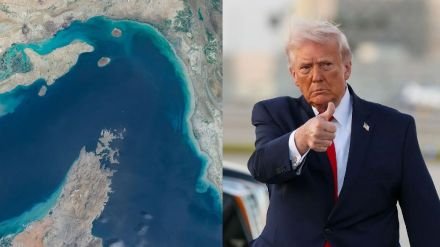
He then used very aggressive language regarding Oman, warning that if Oman stood in the way of the US, the US could launch massive military action against it. The Financial Times and the Jerusalem Post have also reported this statement.
Trump’s pressure on Iran
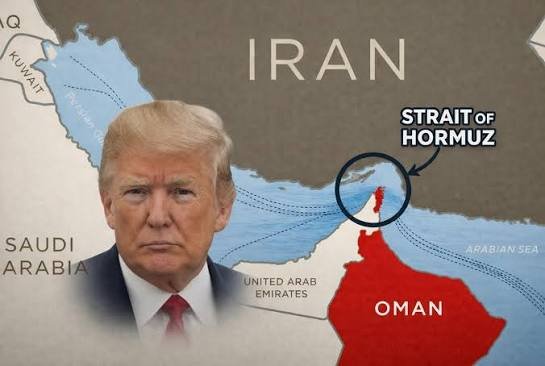
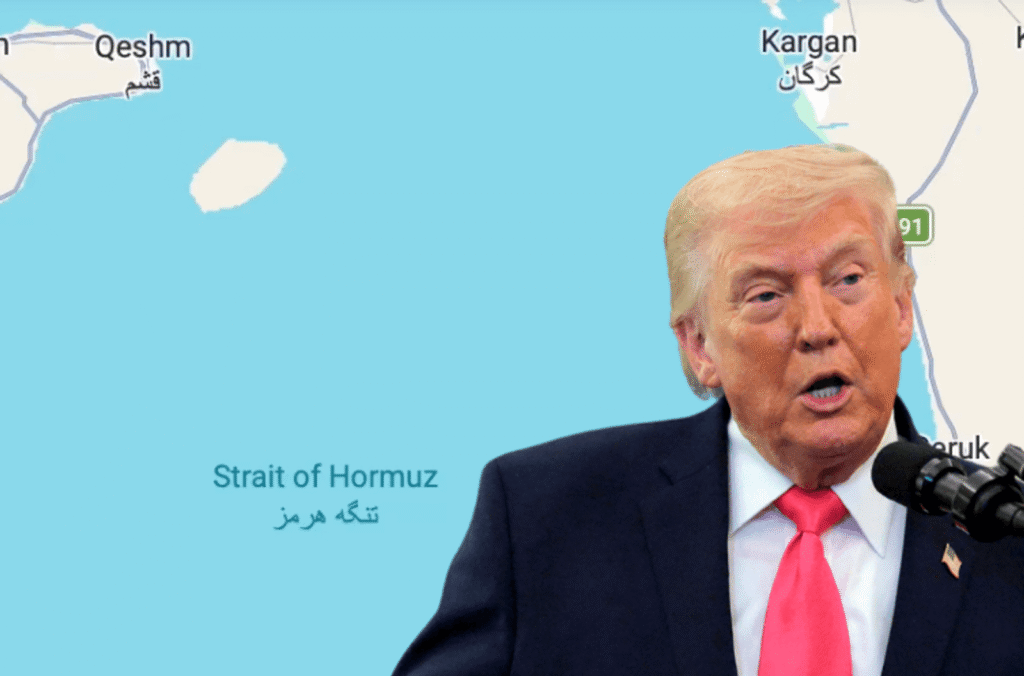
Trump’s message was not limited to Trump Iran warning to Oman; he also spoke of maintaining continuous pressure on Iran. The Strait of Hormuz has emerged as a critical issue in the long-standing military and diplomatic standoff between the US and Iran.
Hormuz is one of the world’s most vital maritime energy routes. Any disruption here could impact global oil supplies, shipping costs, and international markets. Tensions surrounding this waterway have steadily escalated in recent months due to the conflict between the US and Iran.
Back-channel talks with the IRGC
The most significant aspect of these developments is the alleged back-channel between the US and the IRGC. According to an Axios report, the Trump administration had established a secret communication channel to reach the influential leadership of Iran’s IRGC. A leader from Iraqi Kurdistan played the role of intermediary in this process. This indicates that despite the ongoing public confrontation between the two sides, back-channel communication lines have not been completely severed.
Why is Oman’s role significant?
Oman has long served as a key mediator in diplomatic contacts between the US and Iran. Therefore, if Oman’s role in a potential US-Iran agreement expands, the regional impact could be substantial.
However, Trump’s warning to Oman has raised new concerns regarding this mediating role. If tensions between the US and Oman escalate, the consequences will not be limited to just the two nations; it could also put pressure on security in the Gulf region, the oil market, and international maritime trade.
What happens next?
The situation is currently evolving rapidly. Reports indicate that while serious differences persist in formal talks between the US and Iran, efforts to maintain back-channel contacts are also underway.
In this context, Trump’s warning to Oman could further exacerbate regional tensions. The critical question in the coming days will be whether the US and Iran can reach an agreement through dialogue, or if military confrontation—centered on the Strait of Hormuz and regional security—will intensify once again.
Proof / Sources: Various aspects of these developments have been confirmed or reported by the Jerusalem Post, Financial Times, Axios, and the Associated Press.