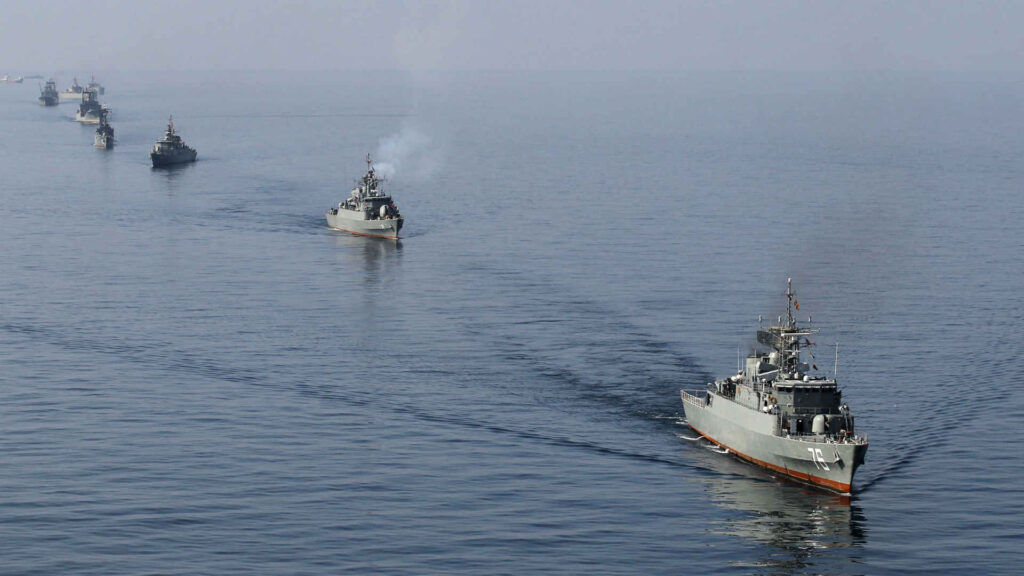
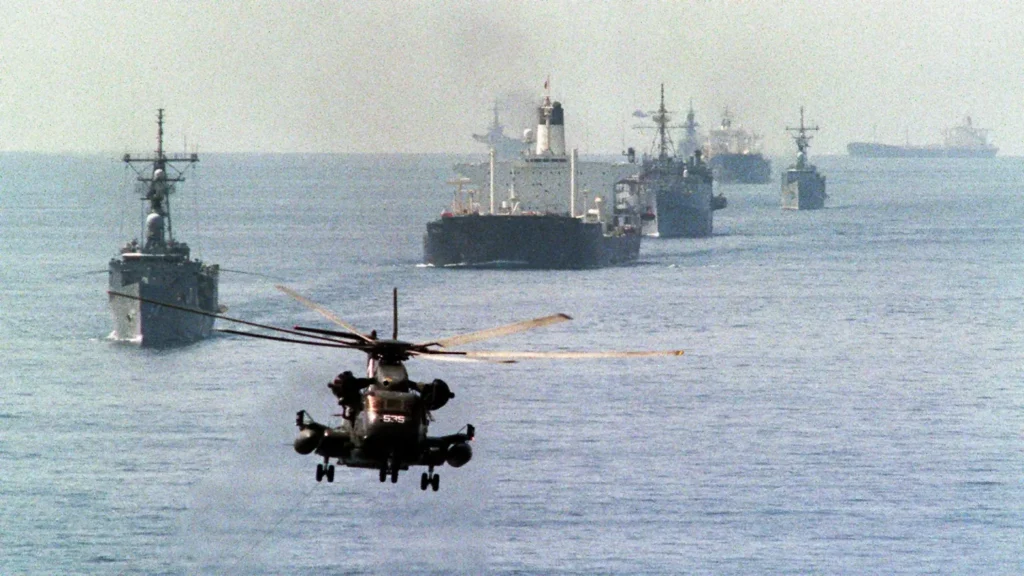
According to the report of the American newspaper The Wall Street Journal on May 26, the US Navy Escort Tanker has again started the work of providing security to shipping passing through the Strait of Hormuz. The report said that the Greek-flagged supertanker AGO, carrying approximately 2 million barrels of crude oil, was found in the waters of Oman under the guidance and escort of the US Navy. These ships, which have been stuck in the Gulf region since the beginning of March, are now leaving to deliver oil to India.
This step is being considered as a sign of reactivation of “Operation Freedom”. American missions began to provide safe passage for shipping along the world’s most important maritime trade route. However, after about 36 hours of the beginning, the blockade of Accra remained silent, but now the US Navy seems to be active again. According to officials, security assistance for a dozen oil tankers and container ships will be provided in the coming days.
Why is Hormuz Strait so important for the world?
The Strait of Hormuz is one of the world’s busiest oil transportation routes. Oil extracted from Gulf countries like Saudi Arabia, United Arab Emirates, Kuwait and Iraq is sent to Asia and the rest of the world through this route. India imports most of its needs from this region.
If tension increases on this sea route, oil supply could be affected. Due to this, the price of crude oil could rise rapidly in the international market. For the sake of a country like India, this can have a direct impact on petrol, diesel, transport and inflation.
What is the message behind America’s move?
These steps of US Navy Escort Tanker are not just about protecting empty ships, but also a big strategic message. Tension has increased in the Middle East in recent months. Many times, attacks on shipping, drone threat and concerns related to maritime security have come to the fore. Under these circumstances, the return of the U.S. Navy indicates that Washington intends to maintain a strong presence in the Gulf region.
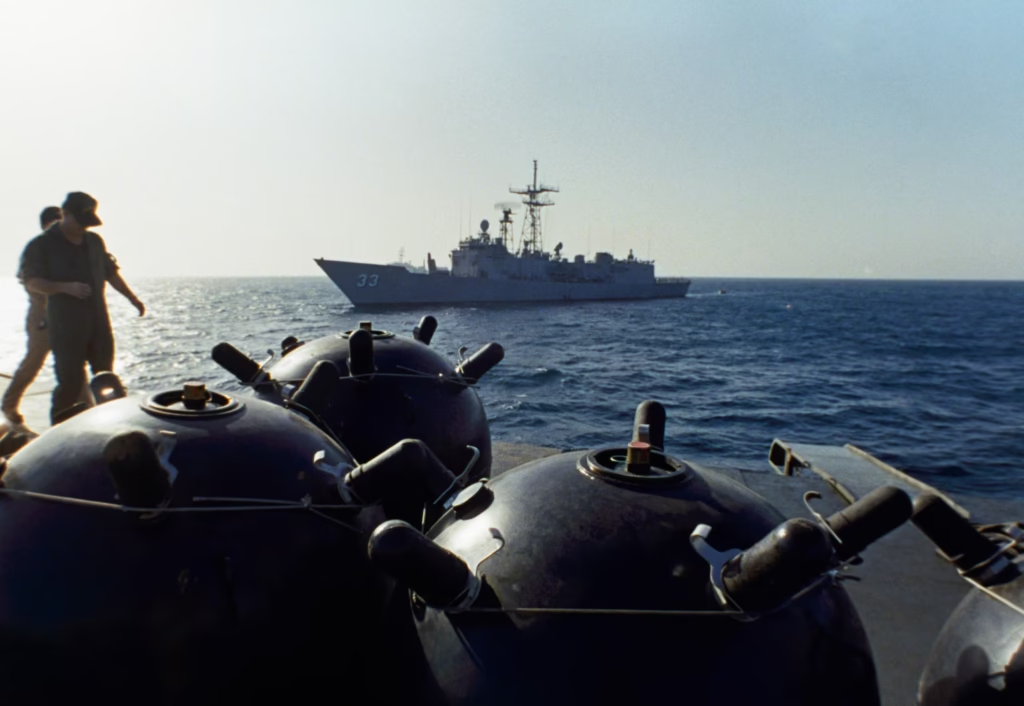
This also implies that the United States is striving to safeguard global oil supply chains. If oil transportation were to be disrupted, the repercussions could be felt across Europe, Asia, and the Americas alike.
What Does This Mean for India?
India ranks among the world’s largest oil importers. As long as the Strait of Hormuz remains secure, India’s energy supply will remain stable. With India’s economy currently experiencing rapid growth, its energy requirements are also continuously on the rise.
The U.S. Navy’s provision of escorts for oil tankers bound for India signals that international powers are paying close attention to the energy security of Asian markets. This could provide relief to India’s refinery sector, transport industry, and broader industrial landscape.
Potential Impact on Global Trade
The Strait of Hormuz serves as a conduit not only for oil but also for a massive volume of container shipping. Should the security situation deteriorate, international trade costs could escalate. Maritime insurance premiums for vessels would likely rise, deliveries could face delays, and global supply chains could be disrupted.
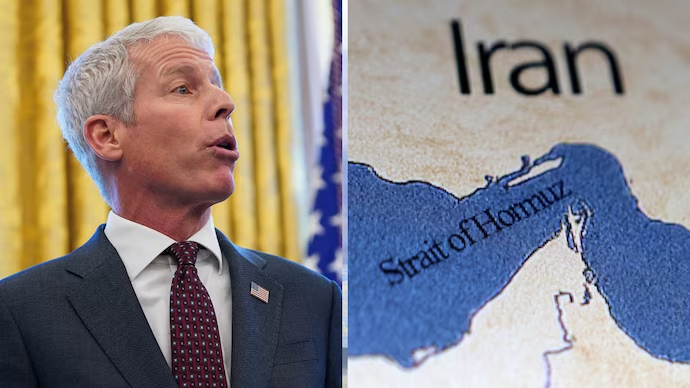
In this context, an active role played by the U.S. Navy could instill a certain degree of confidence within the market. However, critics argue that a persistent military presence could, conversely, exacerbate regional tensions.
Conclusion
The return of the U.S. Navy to the Strait of Hormuz is regarded as a significant development for global energy security and maritime trade. This news holds particular importance for India, given that a substantial portion of the country’s oil supply traverses this route. Provided that maritime security remains robust, India’s economic stability can be sustained. Nevertheless, in light of escalating tensions in the Middle East, this region is likely to remain a focal point of global politics and economics in the times to come.