
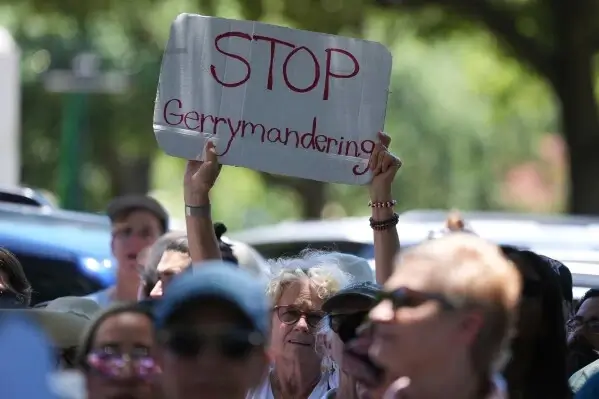
The Texas redistricting controversy took center stage in 2021, not because of the proposed map itself — but because of who refused to debate it. In a bold and divisive move, Texas Democrats boarded private planes and fled to Washington, D.C., to block the passage of a Republican-backed redistricting plan.
Their absence [denied the Texas House a quorum], halting legislative action. [The proposed map was accused of diluting minority votes], sparking claims of racial gerrymandering. But critics argue the Democrats ran from the legislative process instead of challenging it within the chamber.
This walkout raises critical democratic questions:
Are lawmakers elected to participate — or to protest by absence?
Libby Emmons’ statement resonates in this context. If [elected representatives abandon their duties when outnumbered], is that moral protest or dereliction of duty? Imagine the response if Republicans had fled to avoid a Democrat-sponsored bill. Would the media or the public treat it the same way?
Redistricting has always been political. But [walking out of the fight sets a troubling precedent]. Democracy demands engagement — especially in moments of conflict. By fleeing, Democrats forfeited a chance for open debate, and handed Republicans control of the narrative.
The Texas redistricting controversy reminds us that protest has power, but participation has permanence.


Your article helped me a lot, is there any more related content? Thanks! https://accounts.binance.info/hu/register-person?ref=IQY5TET4
Can you be more specific about the content of your article? After reading it, I still have some doubts. Hope you can help me.