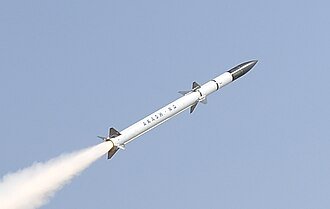
The Indian Air Force (IAF) is reportedly considering a major order for Akash-NG missile systems as part of efforts to strengthen India’s layered air defence and maintain sufficient missile reserves for prolonged high-intensity combat.
The reported approach focuses on using different air defence systems according to the range and nature of incoming threats, rather than relying on long-range interceptors for every engagement.
S-400 and Akash-NG Have Different Roles
India’s S-400 Triumf provides a long-range air defence capability and is designed to engage important aerial threats at significant distances. However, using expensive long-range interceptors against every drone, cruise missile or aircraft may not be an efficient approach during a prolonged conflict.
This is where a layered air defence strategy becomes important. Different systems can operate at different ranges, allowing each layer to deal with threats within its effective engagement zone.
Akash-NG Offers a Medium-Range Defence Layer
The Akash-NG has a reported interception range of around 70 kilometres and is designed to provide medium-range air defence.
Its role could include engaging incoming aerial threats that do not necessarily require the use of a long-range S-400 interceptor. A larger inventory of Akash-NG missiles could therefore give the IAF greater flexibility during sustained air operations.
Such an approach could also help preserve longer-range S-400 missiles for targets where their extended range and capabilities are more necessary.
Advanced Technologies in Akash-NG
Akash-NG incorporates several technological improvements over the earlier Akash system. The missile uses a dual-pulse solid rocket motor, an indigenous active RF seeker and advanced electronic counter-countermeasures (ECCM).
The active RF seeker allows the missile to independently track its target during the terminal phase of an engagement. Meanwhile, ECCM technology is intended to improve the missile’s ability to operate in environments where electronic interference and countermeasures may be present.
Why a Large Missile Stockpile Matters
In a high-intensity conflict, air defence is not only about intercepting incoming threats. Maintaining an adequate stockpile of missiles for sustained operations is also a major consideration.
A large Akash-NG inventory could strengthen India’s layered air defence approach by allowing medium-range interceptors to be used against appropriate threats while reserving S-400 missiles for targets that require long-range interception.
The two systems can therefore serve complementary roles rather than acting as direct substitutes. Akash-NG can contribute to the medium-range layer, while the S-400 provides a longer-range defensive layer.
A substantial Akash-NG order would consequently represent an effort to expand missile reserves and improve the IAF’s ability to sustain air-defence operations during prolonged combat.