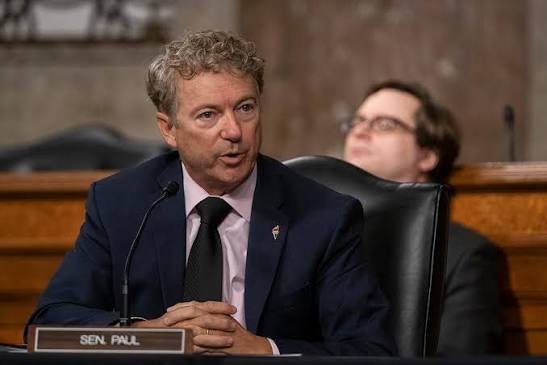
A heated debate has once again erupted in the US regarding “Gain-of-Function Research” (GOF) research. This debate intensified after a question posed by media personality Stephen A. Smith went viral on social media. The question was: who should have the authority to define Gain-of-Function research—scientists, the US Congress, or a jury?
In response to this question, some argue that the real issue isn’t the “definition” itself, but rather whether such research is dangerous and whether the government should be spending taxpayer money on it.
What is Gain-of-Function research?
Gain-of-Function research refers to scientific studies in which specific traits of a virus or other microorganism are altered—such as enabling it to spread more rapidly, infect new hosts, or increase its transmissibility.
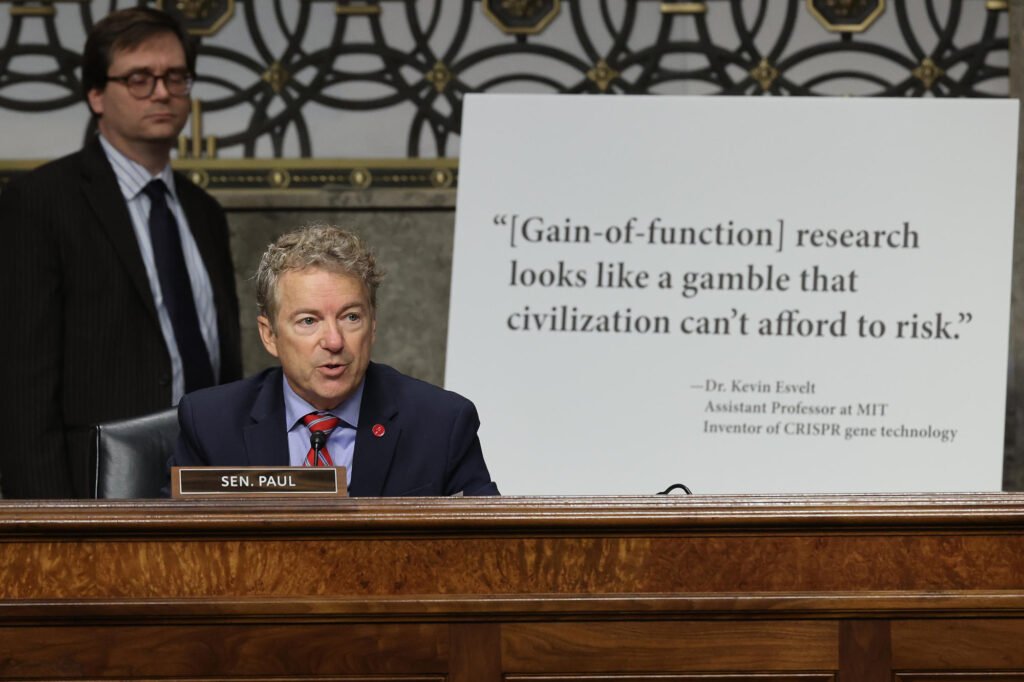
A segment of the scientific community argues that such research strengthens preparedness for future pandemics. Conversely, critics contend that if such a virus were to accidentally escape from a laboratory, it could pose a massive threat.
What are the allegations against EcoHealth Alliance and the NIH?
EcoHealth Alliance and the US National Institutes of Health (NIH) are frequently mentioned at the center of this controversy. Critics claim that in certain publicly released emails, EcoHealth officials were seen thanking the NIH, with discussions indicating that funding was being resumed.
The term “gain-of-function” has also appeared in some documents. Based on this, critics argue that the nature of the research was explicitly discussed. However, the NIH and many scientists maintain that not all virus-related research officially falls under the “Gain-of-Function” category; experts hold differing opinions on this matter.

Why is Anthony Fauci’s name linked to this? Anthony Fauci, who was part of the NIH during the pandemic, often features in this debate. Some political leaders and critics have alleged that the term appeared in emails from Fauci’s team. However, Fauci has repeatedly stated publicly that the NIH did not fund research classified as “gain-of-function” research—a category prohibited under government regulations.
Consequently, this issue has evolved from a scientific debate into a political controversy.
What does the available evidence suggest?
Documents released publicly to date, congressional hearings, emails obtained via FOIA requests, and government reports confirm that funding involving the NIH, EcoHealth Alliance, and the Wuhan Institute of Virology has been the subject of scrutiny and debate for years.

However, there has been no definitive legal ruling clearly declaring that the research in question was indeed prohibited “gain-of-function” research. As a result, the topic remains contentious, with experts holding differing views.
Conclusion
The debate over gain-of-function research involves not only scientific definitions but also questions of public safety, government funding, transparency, and accountability. Critics argue that strict oversight is essential for research carrying potential risks, whereas many scientists maintain that—with appropriate safety measures—such studies could help prevent future pandemics.
Until clear conclusions emerge based on independent investigations, official documents, and scientific reviews, conflicting claims and political debates surrounding this issue are likely to persist. It is important for readers to form their opinions based on public documents, scientific studies, and official reports, rather than relying solely on claims that go viral on social media.