
Nowadays Crime Control in America, there is a lot of promotion of mobile surveillance system using AI surveillance i.e. Artificial Intelligence. The government and many tech companies claim that crime can be reduced with cameras, facial recognition, data tracking and AI monitoring.
However, many people call this claim “Nothing Burger”, meaning that this solution will seem big to everyone, but in ground reality, very little effect is visible.
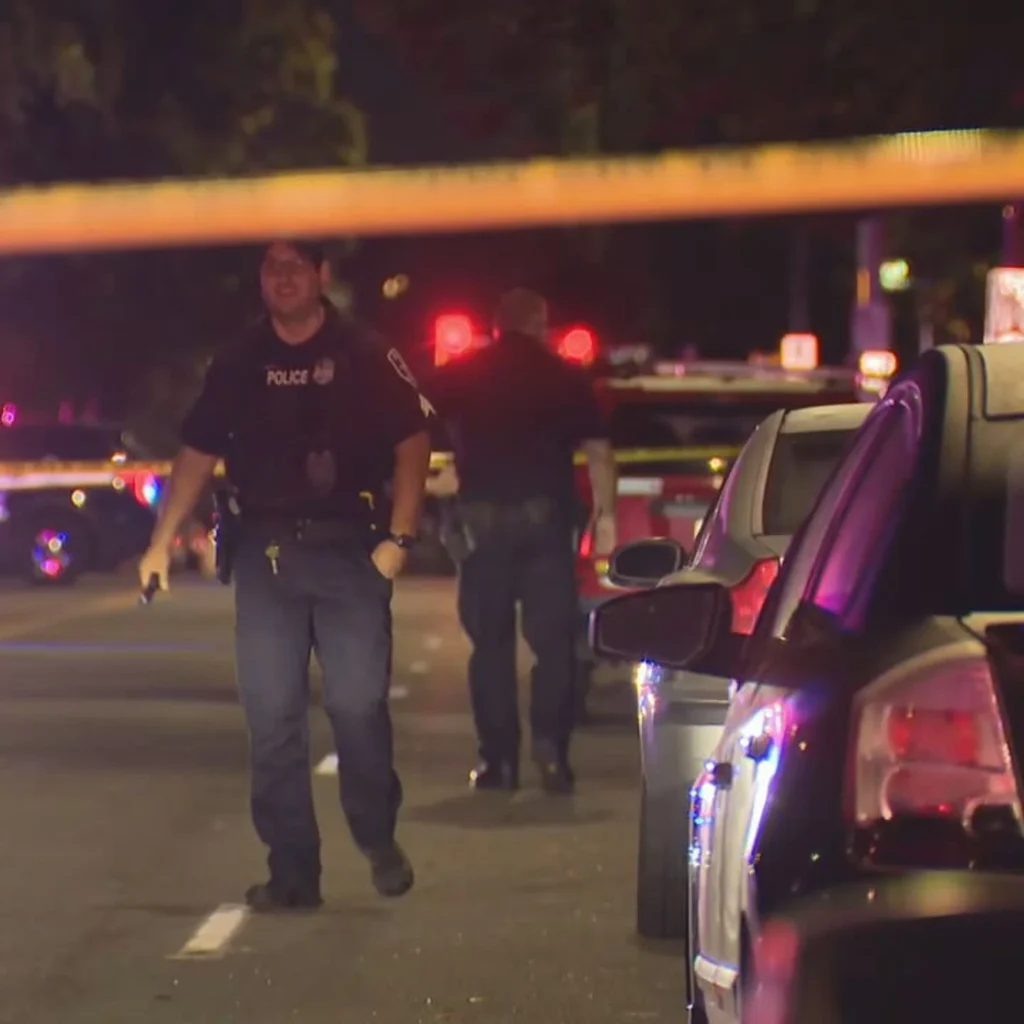
The population of America is more than 325 million, while the number of law enforcement officers is approximately 2.1 million. If seen from this perspective, very few officers are trying to control the entire country. On top of that, America’s prison system is already overloaded. Many reports state that approximately 2 million people are in jail and many jails are running in underfunded conditions. It clearly means that the system is already under pressure.
Crime Control in America most shocking thing is about homicide cases. According to FBI crime data, more than 50% of murders in America have remained unsolved for many years. Clearance rate has been seen falling continuously. This means that in more than half of the murder cases the criminal is not being caught.
In this situation, people ask the question that when the basic investigation system itself struggles, then how can crime be controlled only by installing AI cameras?
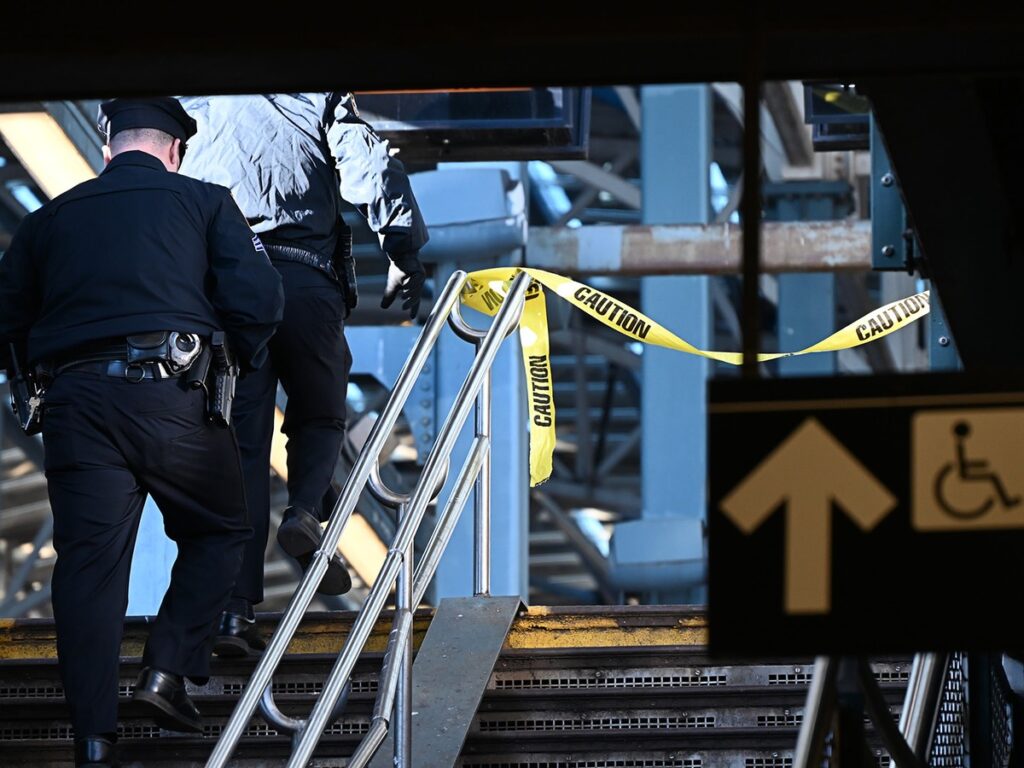
Facial recognition is the most controversial in AI surveillance technology. Many studies have shown that e-technology can sometimes lead to wrong identification. Especially in the case of Black Americans and minorities, the error rate was seen to be higher. Due to this, innocent people also get trapped in police investigation. Civil rights groups constantly warn that mass surveillance could end privacy.
In 2020, a case in Detroit was much talked about where an innocent man was arrested by mistake of facial recognition. Later investigation revealed that the AI system made many wrong matches. After this incident, a big question was raised on trust in technology.
The second problem is about funding. Many cities in America are struggling with police budget crisis. Amidst aging infrastructure, a shortage of officers, and a rising crime rate, expensive AI systems are being purchased. Critics argue that, rather than strengthening actual policing, the government is focusing on flashy technology.

Proponents of AI contend that technology represents the future, facilitating faster tracking, predictive policing, and suspect identification. In some cities, camera networks have indeed helped solve crimes. However, critics argue that it is misguided to present isolated successes as a national solution.
The core of the debate lies in the fact that crime cannot be controlled through technology alone. Without addressing underlying issues—such as social problems, poverty, the drug crisis, illegal weapons, and gang violence—it is difficult to achieve a permanent solution solely through surveillance systems.
Today, the American public is divided. On one side, tech companies and government agencies tout AI surveillance as the future; on the other, civil liberties groups and numerous experts argue that this “solution” is far removed from practical reality. With nearly half of all murders currently going unsolved, the public is asking: Is AI surveillance truly the solution, or just another “nothing burger”?