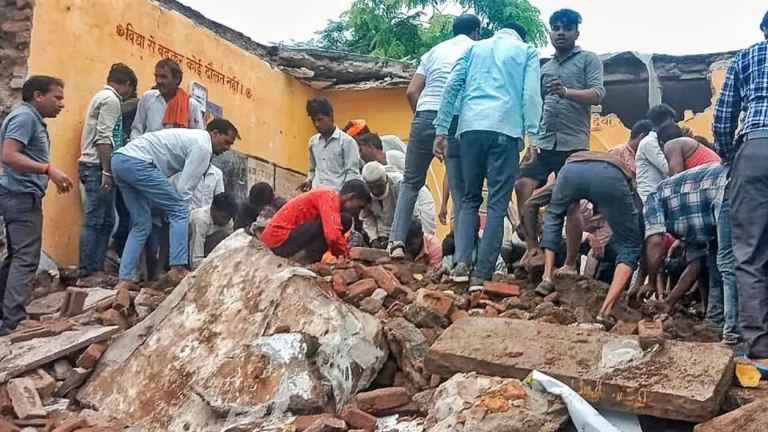
Severe flash floods have wreaked havoc in the Himalayan region of Nepal. According to initial updates from Nepal police, floods and landslides killed at least 359 people, while more than 1,300 are still missing. However, later reports suggested the death toll could rise. Relief and rescue teams are constantly searching for people trapped in the affected areas.
Sudden devastating floods in the Himalayan region
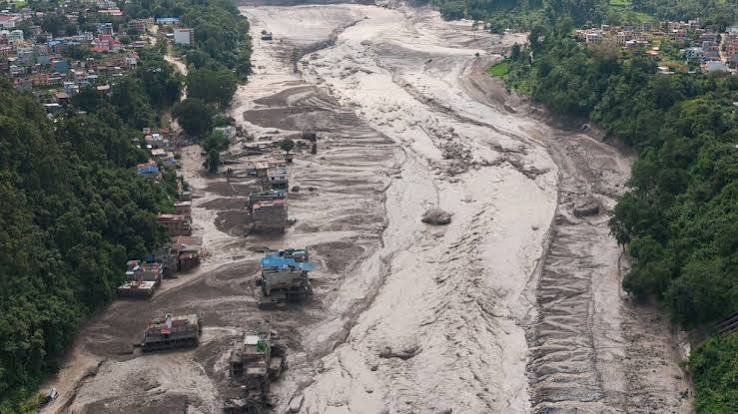
The disaster began on August 26, 2026 in the Himalayan region near the Nepal-Tibet border. Initial information showed a sudden rise in water and debris in the river following an event involving a giant iceberg or glacier. This accelerated large amounts of mud, rocks and debris with the water to downstream areas.
The floods hit the northern regions of Nepal and the areas bordering China with Tibet the most. Many villages, roads, bridges and electrical infrastructure were destroyed. The mountainous and remote nature of the affected areas is also making it difficult for rescue teams to reach.
Thousands still out of touch
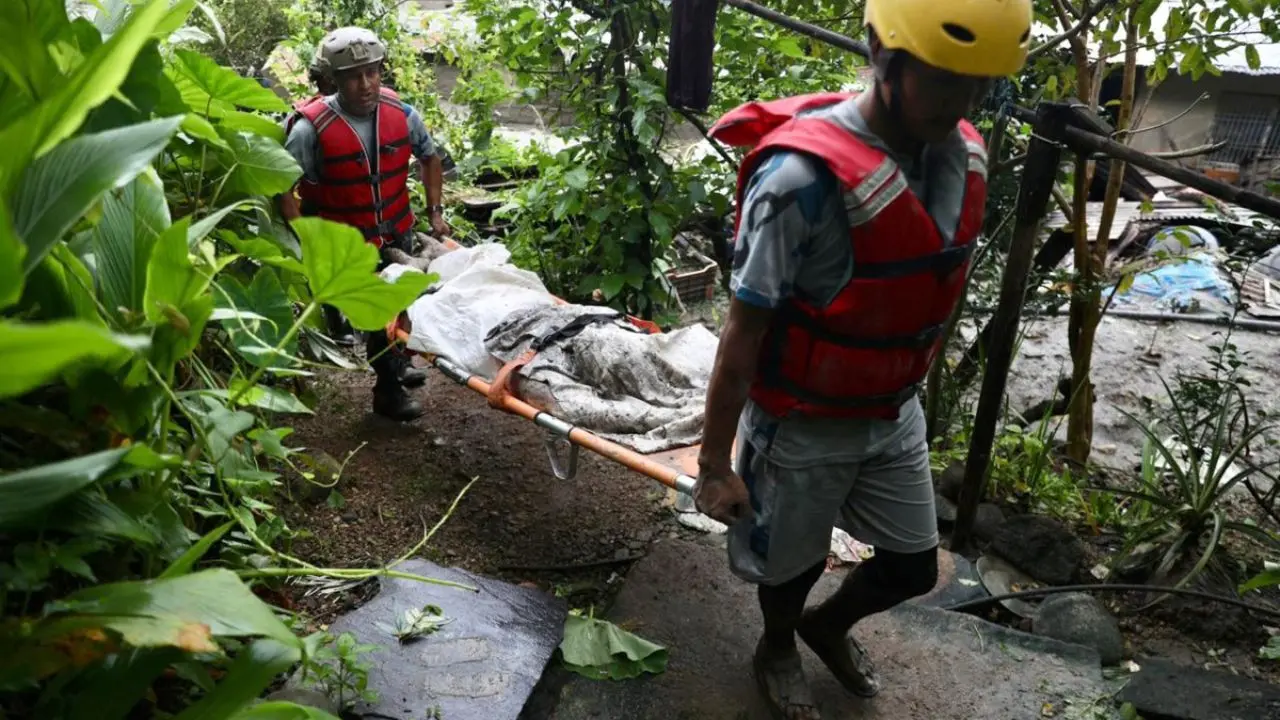
According to Nepal Police figures, 359 people were confirmed dead and more than 1,300 were reported missing. Apart from local citizens, a large number of foreign tourists and pilgrims are among the missing.
According to Nepal’s tourism department, hundreds of tourists from 34 countries were also out of touch. Citizens of several countries including India, the US, Australia, the UK and Canada are said to be among the affected.
Heavy damage was also reported in China’s Tibet region. At least three deaths and hundreds of people were reported missing. Both Nepal and China are conducting rescue operations.
Difficulties in rescue operations due to collapse of roads and bridges
Many important roads and bridges have been washed away due to flash floods. This prevents relief supplies and rescue workers from reaching the affected areas easily. Bad weather and high river flows are also adding to the challenges of the campaign.
Thousands of Nepal Army and police personnel have been deployed in the search and rescue operation. Helicopters are being used to deliver food, medicine and essential supplies to the affected areas. Stranded people have also been evacuated by air in several places.
More flooding ahead
After the disaster, rising river and lake levels in some areas have created new dangers. The debris is also expected to disrupt the natural flow of water and cause a sudden release of water. For this reason, the local administration is advising people to remain vigilant in sensitive areas.
Experts have been consistently concerned about the changes in glaciers, snow slopes and glacial lakes in the Himalayan region. Rising temperatures and changes in the Himalayan environment may increase the risk of such disasters in the future, although it is not right to attribute every event to climate change as a direct cause.
The largest relief operation facing Nepal
The most urgent task at this time is to search for the missing, treat the injured and deliver relief to the affected families. It is also taking time to gather accurate figures of missing persons as communications in remote mountainous areas have been affected.
The Nepal government, army, police and local administration are jointly conducting the operation. Offers of relief and rescue assistance have also emerged from neighboring countries and the international community.
The disaster has brought to the fore once again the need for preparedness, early warning systems and safe infrastructure to deal with natural disasters in the Himalayan region of Nepal. For now, families and rescue teams are focused on searching for the missing and the operation continues.