
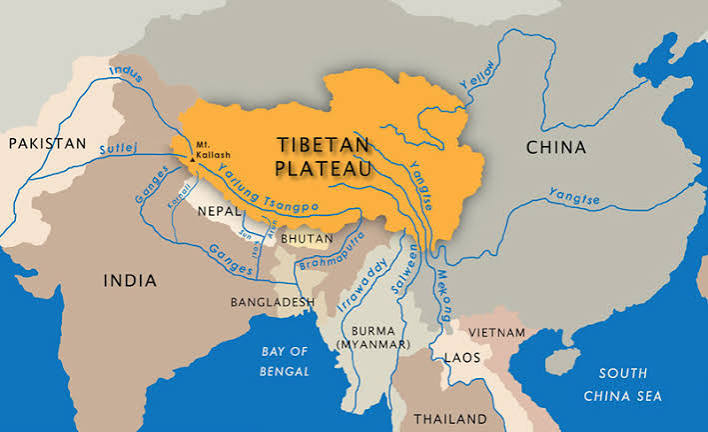
China tibet water reserve while conflicts over oil, gas, and mineral resources are frequently discussed globally, water is emerging as the most critical strategic resource of the 21st century. The livelihoods, agriculture, industries, and power generation of nearly two billion people in Asia depend on a handful of rivers, all of which originate from the vast Tibetan Plateau. For this reason, Tibet is known as the “Water Tower of Asia.”
In recent years, several Asian nations—including India, Bangladesh, and Pakistan—have expressed concern over China’s expanding dam construction, hydroelectric projects, and river management plans in Tibet.
Key questions arise: What is the actual volume of water reserves in Tibet? Can China gain total control over these water resources? Which countries would suffer the most if river flows were altered? And, most importantly, what are the potential solutions to this looming water crisis?
This article aims to examine Tibet’s water reserves, China’s strategy, the affected nations, potential risks, and possible solutions in detail, drawing upon facts, data, and expert reports.
Why is China Tibet Water Reserve so important?
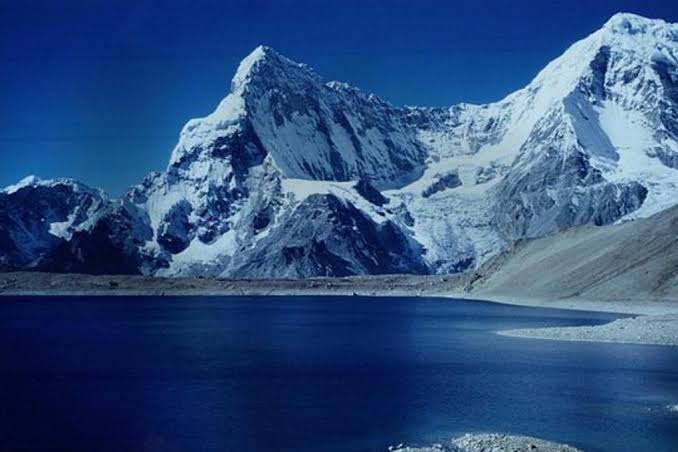
The Tibetan Plateau is often referred to as the “Water Tower of Asia.” It is the highest plateau in the world and is home to thousands of Himalayan glaciers. The water originating from these glaciers feeds many of Asia’s major rivers.
According to experts, Tibet and the surrounding Himalayan region provide water to approximately 2 billion people. For this reason, Tibet’s water is considered a strategic resource not just for China, but for all of Asia.
How much water reserve does Tibet hold?
After the polar regions, China Tibet Water Reserve holds the largest amount of ice and glaciers in the world. That is why it is known as the “Third Pole.” Melting ice from this region provides a continuous supply of water to the rivers.
According to scientific studies:
- The “Asian Water Tower” yields approximately 1,211 cubic kilometers of water annually.
- About 545 cubic kilometers of water from this region is utilized each year.
- More than 60% of the population is at risk of a severe water crisis.
More than ten major rivers originating from Tibet serve as the lifeline for millions of people across Asia.
Major Rivers Originating from China Tibet Water Reserve
Several important rivers originate from Tibet:
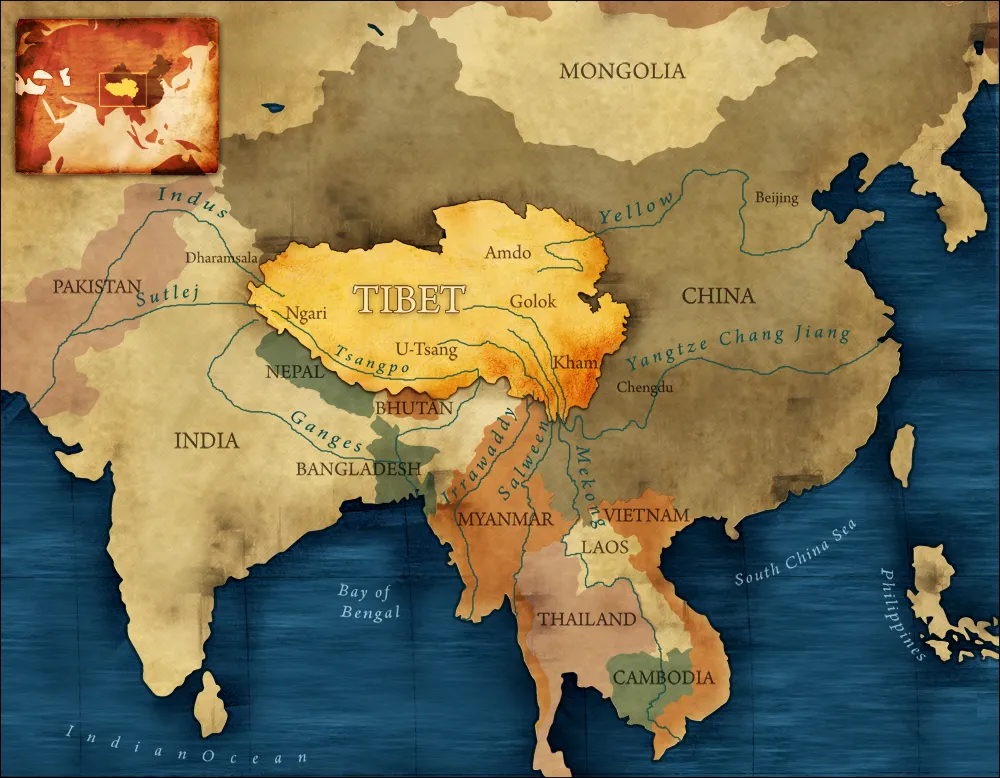
- Brahmaputra (Yarlung Tsangpo)
- Indus
- Sutlej
- Several tributaries of the Ganges system
- Mekong
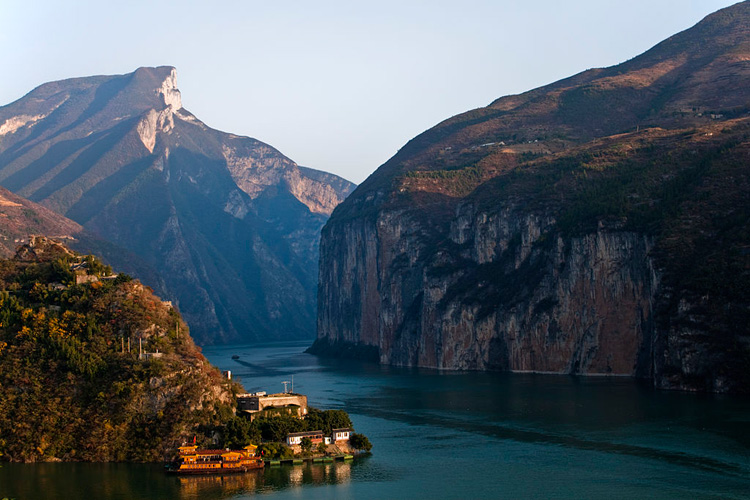
- Yangtze
- Salween
- Irrawaddy
Millions of farmers, industries, cities, and power generation projects depend on these rivers.
Which countries could be at risk?
1. India
India is one of the most affected countries.
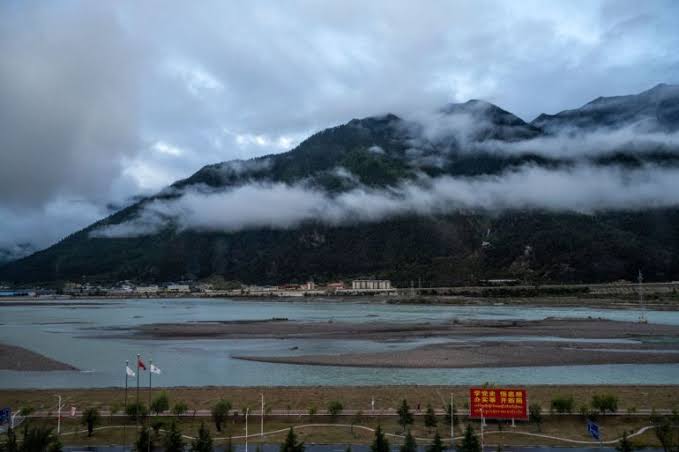
The Brahmaputra River originates in Tibet and flows into Arunachal Pradesh and Assam before entering Bangladesh. If China builds more dams on the river or controls the water flow, it could impact India’s agriculture, drinking water supply, and flood management.
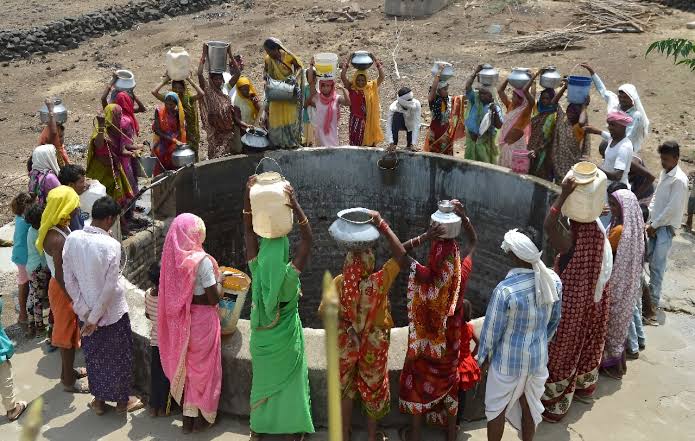
India’s northeastern region is considered particularly vulnerable.
2. Bangladesh
Bangladesh is counted among the most river-dependent countries in the world.
According to a study, 91.4% of Bangladesh’s water resources originate outside the country. If upstream countries withhold water or alter its flow, Bangladesh could be directly affected.
3. Pakistan
The Indus River is the backbone of Pakistan’s agricultural economy.
Approximately 77.7% of Pakistan’s water resources depend on external sources. Changes in the flow of Himalayan waters could impact Pakistan’s food security.
4. Myanmar
The Irrawaddy River is considered the lifeline of Myanmar. Changes in Tibetan water sources could affect agriculture and the fishing industry.
5. Laos, Cambodia, Thailand and Vietnam
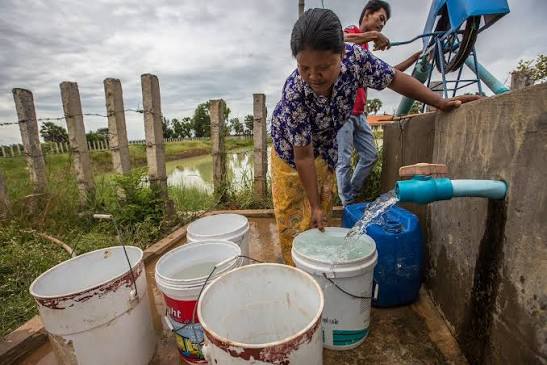
Countries in Southeast Asia dependent on the Mekong River could also be affected. There is a possibility that water flow in the downstream country will be affected due to the construction of dams by China in the upper part.
Why is China’s mega dam project increasing concern?
China tibet water reserve is currently building the world’s largest hydropower dam in Tibet.
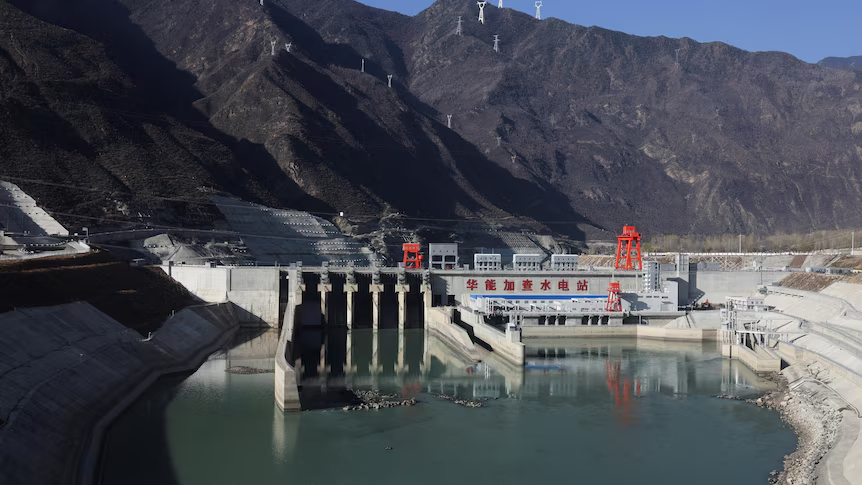
according to the report:
- Cost approximately 170 billion dollars.
- With the target of producing 300 billion kilowatt-hour electricity annually.
- This project is being built on the Brahmaputra river.
India and Bangladesh were worried that China might be able to control the flow of the river in the future.
However, China claimed that there was no negative impact on the country below.
What is the real danger?
Possibility of water retention
If China built large reservoirs, less water would be able to reach the country below during the dry season.
Danger of sudden release of water
Experts fear that the release of large amounts of water could lead to sudden floods.
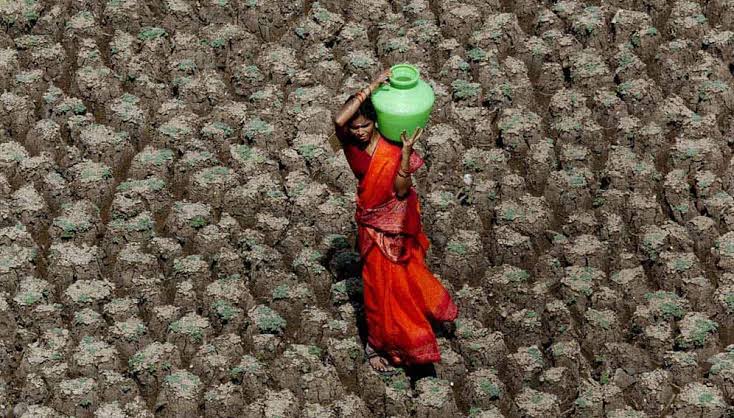
Data sharing na hokhal
According to India, China may not share some important river data after 2022, which is necessary for early flood forecasting.
Environmental Harm
Tibet earthquake affected area. Large dams can pose additional risks during earthquakes.
Could “Water War” really happen?
Some people believe that there could be a war over water in the future.
But many experts believe that completely blocking the river may not be easy in practice. A lot of Brahmaputra’s water also flows through India, Bhutan and monsoon rains. For this reason, complete control of China is not considered possible.
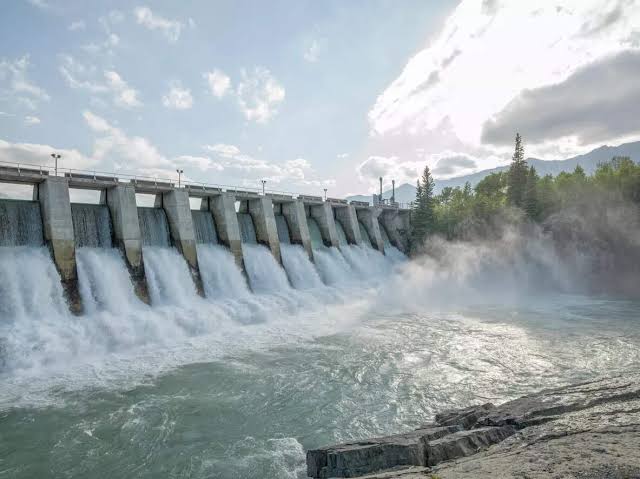
Nevertheless, political tensions regarding water management may increase in the future.
Could the problem be solved?
1. International Water Agreement
India, China, Bangladesh, and other nations can collaborate to formulate river management agreements.
2. Data Sharing
Information regarding river flow, rainfall, and dam operations should be shared regularly.
3. Joint Scientific Monitoring
All affected nations can collaborate to monitor glaciers, river flows, and climate change.
4. Water Conservation
Improving irrigation systems, rainwater harvesting, and modern water management practices can alleviate pressure on water resources.
5. Regional Cooperation
A shared river management framework can be developed with the cooperation of the OECD, the UN, and other international organizations.
Conclusion
Tibet is not merely a part of China; it is the hub of water security for all of Asia. Rivers originating from this region sustain the lives, agriculture, industries, and power generation of approximately two billion people.
India, Bangladesh, Pakistan and many countries of South-East Asia are worried about China’s Badhat Dam project. Although no concrete evidence of water retention has been found so far, the lack of transparency and lack of data sharing increases the risks of future construction of huge dams.
The solution to this problem lies not in confrontation but in cooperation. If Asian countries start adopting common water policy, scientific monitoring and transparent data system in time, then Tibet’s water could become the basis of development rather than becoming a cause of conflict in the future.


