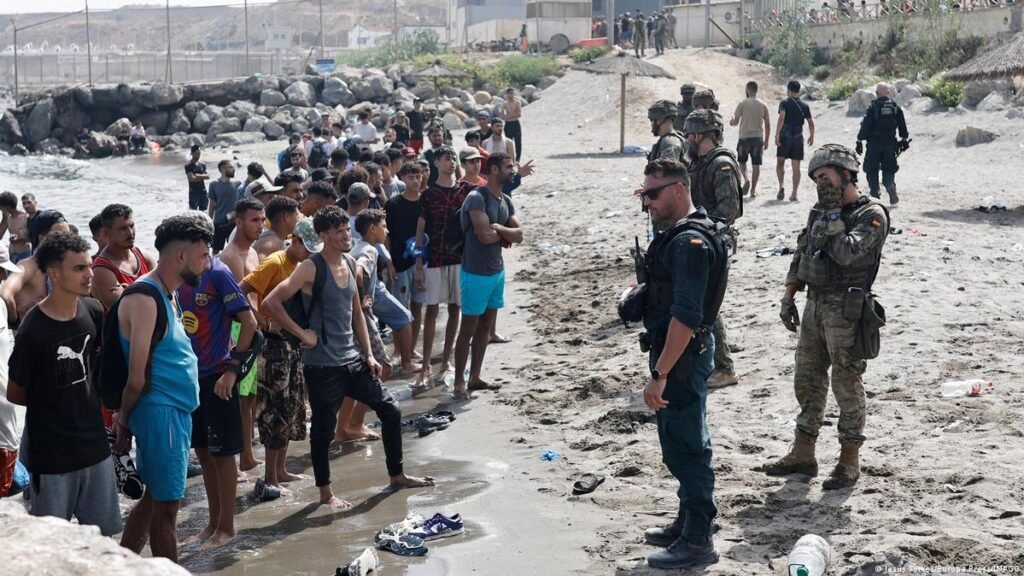
Spain Ceuta Migrant Crisis has today become one of the most talked about border crises in Europe. Thousands of people crossed the sea border from Morocco and reached Ceuta, a small city in North Africa, Spain. After this incident, many types of claims surfaced on social media, but it is necessary to look at the official report and information from independent media.
According to reports, about 60,000 people have entered or attempted to reach Ceuta in recent days. This sudden increase in crowd put huge pressure on the local administration, police and relief system. An emergency-like situation arose in many areas.
The Spanish government said most people quickly returned to Morocco or were deported. EU officials also said that most of the migrants now remain in Ceuta. However, some people remain in the city of Abhaio, waiting for the legal process or a way forward.
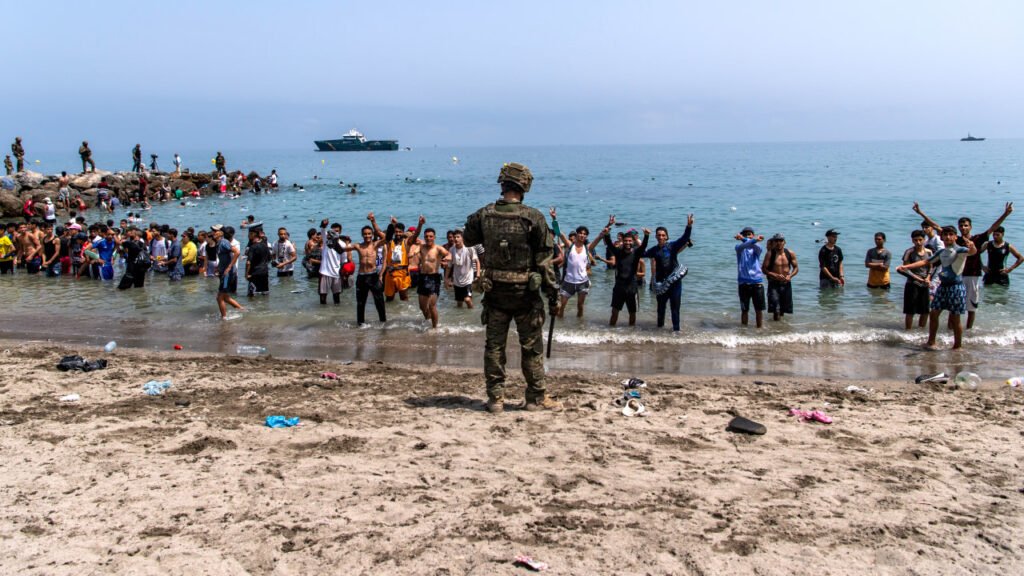
Meanwhile, a claim also went viral on social media that the government is lying and the beaches of Ceuta are filled with Abhaio migrants. But an Associated Press fact-check found no sufficient evidence to support many of the viral claims. According to the agency, although some migrants remain in captivity, claims such as “everyone has been deported” or “people have not been sent back” have not been confirmed.
Local people are concerned about the impact on security, business and everyday life. Some media reports said that some shops were temporarily closed, putting additional pressure on the police and the administration had to strengthen the security arrangements. However, not every claim linked to the crime has been independently verified, so it is important to treat the information carefully.
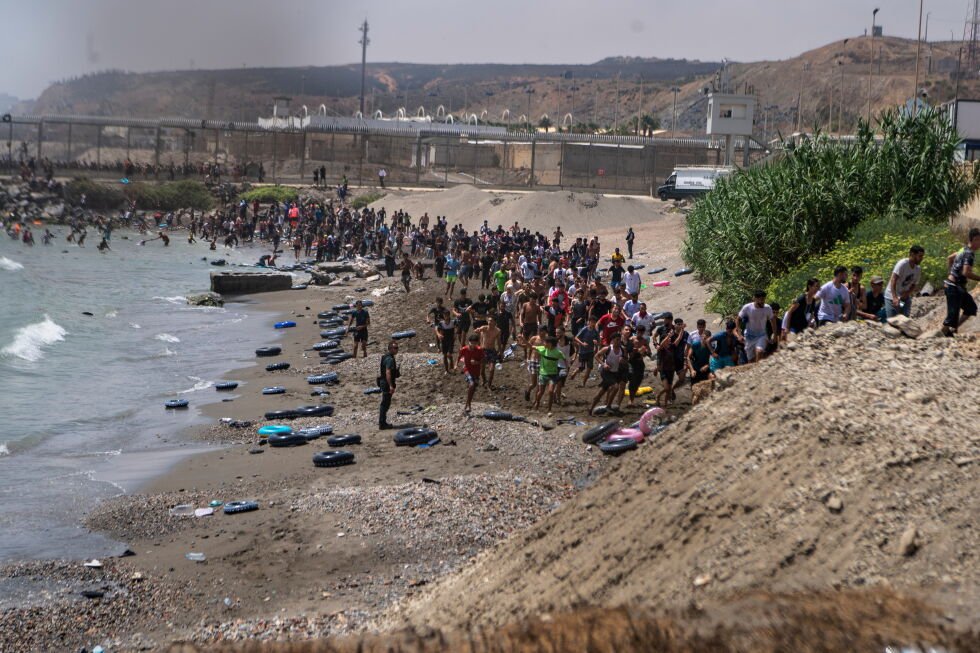
Many reasons are being cited behind the Spain Ceuta Migrant Crisis. According to experts, factors such as human trafficking networks, rumors spreading on social media, economic hardship, and the misinterpretation of legal regulations may have played a role in exacerbating this crisis. The Spanish government has alleged that traffickers incited thousands of people to cross the border by spreading misinformation.
In the wake of this crisis, the Spanish government has announced measures to strengthen border security, expedite repatriations, and implement legal reforms. Arrangements have also been made to provide humanitarian aid, food, water, and temporary shelter.
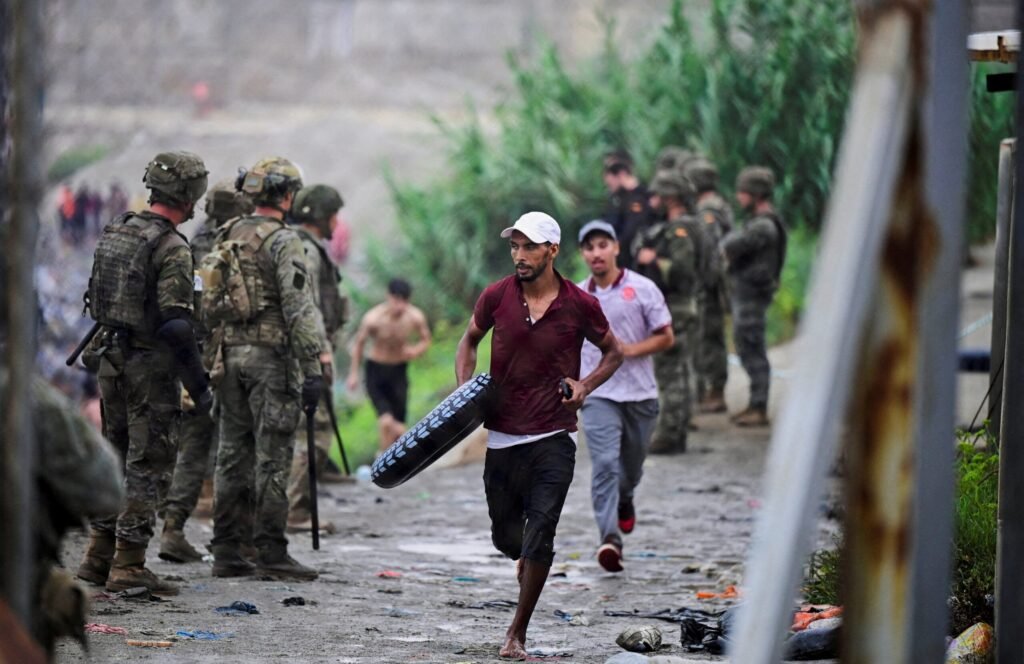
Overall, the Ceuta migrant crisis remains a serious challenge for Europe, balancing the issues of border security against humanitarian responsibilities. Official reports indicate that most migrants have returned, though some remain in Ceuta. Consequently, relying on official statements, independent journalism, and fact-checking is the best way to obtain accurate information.