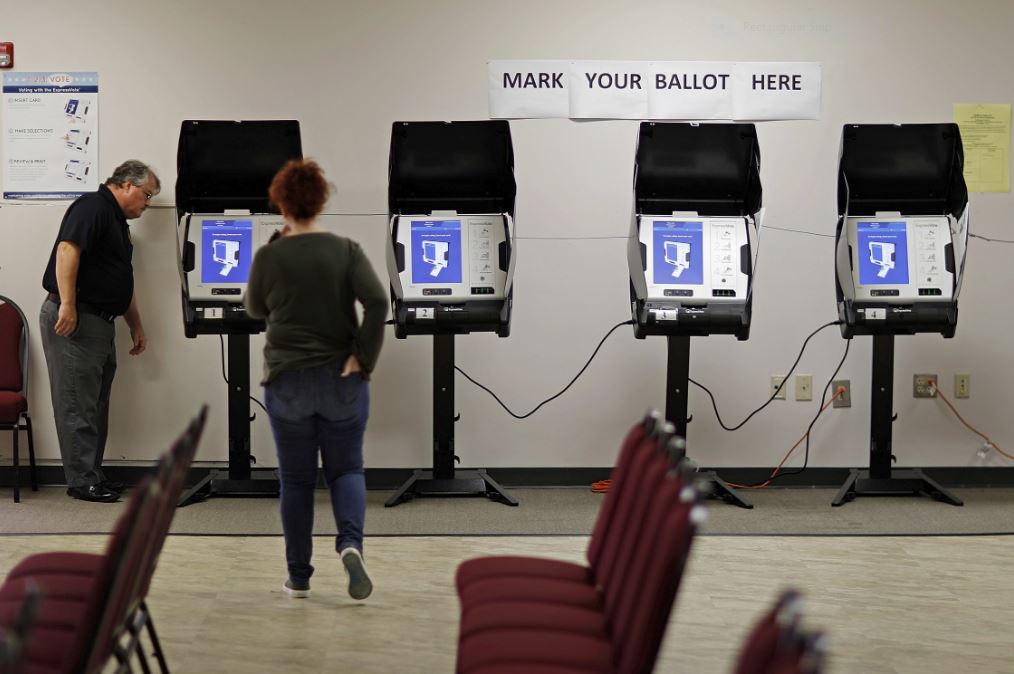
The debate over the use of USA Electronic Voting Machines (EVMs) in the United States has intensified once again. Viral social media posts claim that “the sole purpose of electronic voting machines is to rig elections” and that “all developed countries have banned these machines.” However, when these claims are examined against official reports and facts, a different picture emerges.
Elections in the US are not conducted using a uniform system across the entire country; each state has its own electoral rules. While many states use electronic USA Electronic Voting Machines, others employ paper ballots or systems with a paper trail (Voter-Verified Paper Audit Trail – VVPAT). These systems are designed to allow for vote recounts and independent audits if necessary. Consequently, the electoral process can vary from one state to another.
Questions regarding EVMs have not been raised solely in the US. In 2009, Germany’s Constitutional Court ruled that electronic voting machines which cannot be independently verified by ordinary citizens fail to meet the standards of democratic transparency. Following this ruling, Germany discontinued the use of such machines. The Netherlands and Ireland also reverted to paper ballots, abandoning electronic voting systems due to concerns regarding security, cost, and transparency.
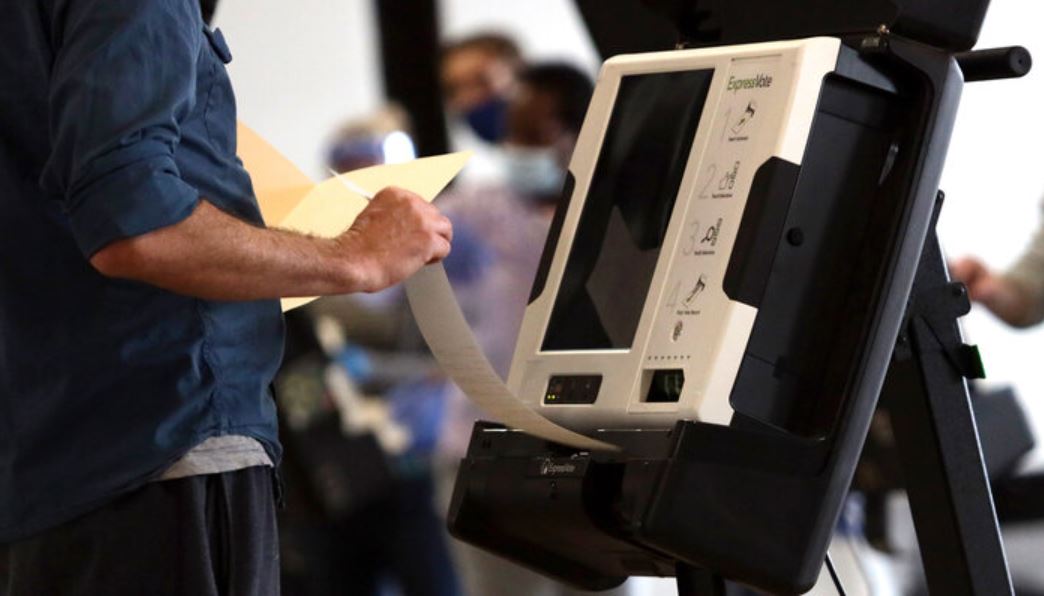
However, the claim that “all developed countries have banned EVMs” is incorrect. Belgium still uses electronic voting in certain regions. Brazil conducts elections using electronic voting machines across almost the entire country. In India, too, VVPATs are used alongside EVMs to enable voters to verify their votes.
Continuous efforts are being made to enhance election security in the United States. The US Cybersecurity and Infrastructure Security Agency (CISA) has repeatedly stated that there is no evidence of voting machines altering election results during the 2020 presidential election. Nevertheless, experts believe that continuous security testing, independent audits, and transparency in electoral systems are essential to maintaining public trust.
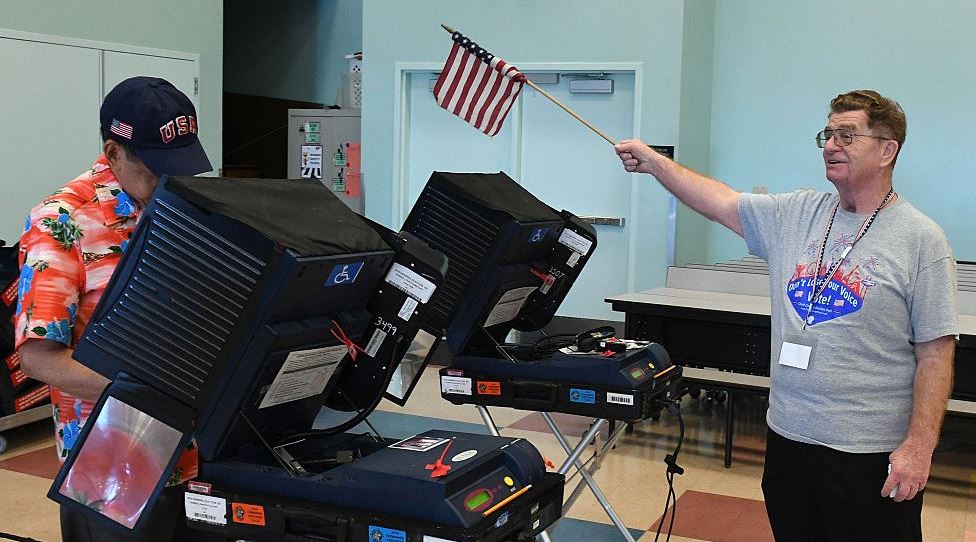
Critics of EVMs argue that any electronic system is susceptible to software glitches, technical malfunctions, or cyberattacks; consequently, they consider paper ballots to be the safest method. On the other hand, election experts point out that paper-only voting can also face issues such as ballot theft, miscounting, human error, and fraudulent voting. For this reason, many countries today are striving to make elections more secure by utilizing a combination of technology and paper records.
Many claims that go viral on social media are shared without concrete evidence. While questioning the electoral process is not wrong in a democracy, allegations should always be based on proof. Public investigations, court rulings, and government reports available to date do not substantiate the claim that the “sole purpose of electronic voting machines is to rig elections.” However, it is true that various countries around the world modify their electoral systems based on their own experiences.
Conclusion
The debate over EVMs continues in the United States. Some states rely on electronic machines, while others prioritize paper ballots; nations across the globe have adopted electoral systems suited to their specific experiences. Therefore, sweeping statements such as “all developed countries have banned EVMs” or “the purpose of EVMs is to rig elections” cannot be considered valid conclusions based on the available facts. The true foundation of a strong democracy lies in transparency, independent scrutiny, robust auditing, and public trust.