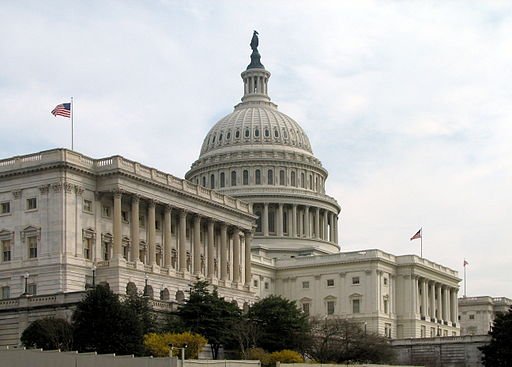
A new political battle is heating up in Washington regarding election rules and stock trading by members of Congress. The ‘Stop Insider Trading Act’ (H.R. 7008), passed by the US House of Representatives, includes provisions requiring voters to present photo identification in federal elections, alongside rules banning stock purchases by members of Congress and their families.
Political pressure regarding this proposal is now mounting in the Senate. Republican Senator Ron Johnson supports this combined strategy, arguing that it will reveal lawmakers’ stances on both issues—congressional stock trading and Voter ID.
Bill Passed by House (232–198) Includes Voter ID Provision Alongside Stock Trading Ban
On July 22, 2026, the House of Representatives approved H.R. 7008 by a vote of 232–198. Thirteen Democratic lawmakers voted in favor of the bill alongside Republican members.
The bill proposes prohibiting members of Congress, their spouses, and dependent children from purchasing certain publicly traded individual stocks while in office. It also mandates public disclosure before selling stocks.
However, the discussion surrounding this bill is not limited to stock trading; it also includes a separate provision regarding photo identification for voting in federal elections.
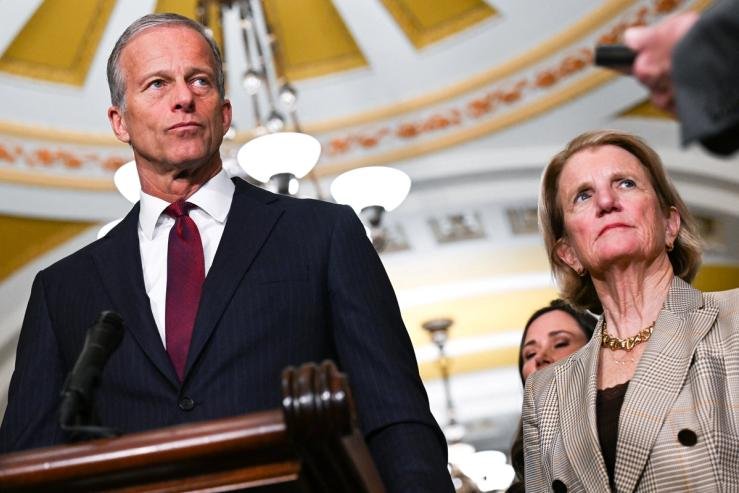
Ron Johnson’s Argument: A Single Vote Can Clarify Lawmakers’ Stances on Stock Trading and Voter ID
Supporting this political strategy, Senator Ron Johnson stated that combining the proposal to restrict stock trading by members of Congress with the Voter ID provision could be an effective approach.
His core argument is that if lawmakers support the ban on personal stock purchases by members of Congress while also claiming to support Voter ID requirements, a vote on the combined bill will put their actual legislative stance to the test. However, it is important to view this argument in the context of political posturing; a lawmaker voting against a bill does not automatically prove they oppose every single one of its provisions.
Beyond the issue of stock trading, the Voter ID provision was also a major reason for the opposition from Democratic lawmakers.
An important context regarding the vote on the bill is that it combined two distinct political issues.
Opposing the bill, Democratic Representative Bonnie Watson Coleman stated that her objections concerned not only the effectiveness of the proposed stock trading rules but also the Voter ID provision. She argued that since the bill continues to allow the holding of existing shares and their sale under certain circumstances, it does not constitute a total ban.
Independent fact-checking has also revealed that the claim “Democrats voted against the stock-trading ban” does not capture the full picture, as H.R. 7008 also includes a separate provision regarding Voter ID.
The long-standing debate between Republicans and Democrats over Voter ID has once again taken center stage with this new bill.
Republican proponents have long linked Voter ID requirements to election security and voter verification. They argue that a national system for verifying identity at the polls could strengthen confidence in the electoral process.
Conversely, opposing lawmakers argue that when formulating strict ID rules, care must be taken to ensure that eligible voters do not face unnecessary obstacles in casting their ballots.
Consequently, H.R. 7008 has evolved beyond a mere proposal concerning financial ethics; it has also become a new platform for the long-standing debate over Voter ID in the United States.
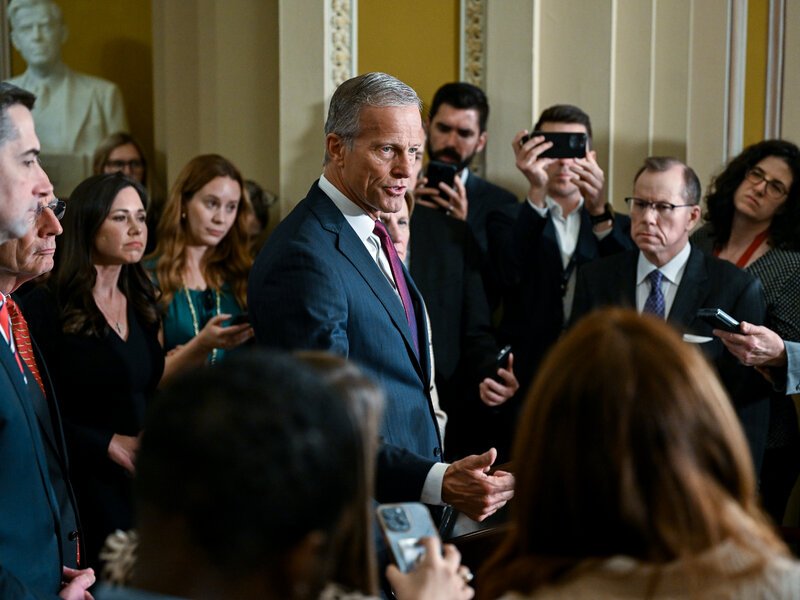
The subsequent process in the Senate will determine whether sufficient political support can be garnered for the combined bill.
Passage by the House of Representatives does not automatically make a bill law; it must also clear the Senate’s legislative process and, ultimately, may require the President’s approval. This makes the upcoming Senate proceedings significant, especially since the bill combines two politically contentious issues: congressional stock trading and voter ID requirements.
If enough lawmakers support this joint proposal, it could pave the way for changes in both American election regulations and the financial activities of Congress members. If it fails to garner support, the issue is likely to remain a prominent topic in future political debates.
Conclusion
The passage of H.R. 7008 in the House by a vote of 232–198 has brought the national debate regarding congressional stock trading and voter ID into a single legislative package. Republican leaders like Ron Johnson view this as an opportunity to gauge lawmakers’ stances on both issues, while opponents are questioning the practice of combining such disparate matters into one bill. All eyes are now on the Senate’s next move.