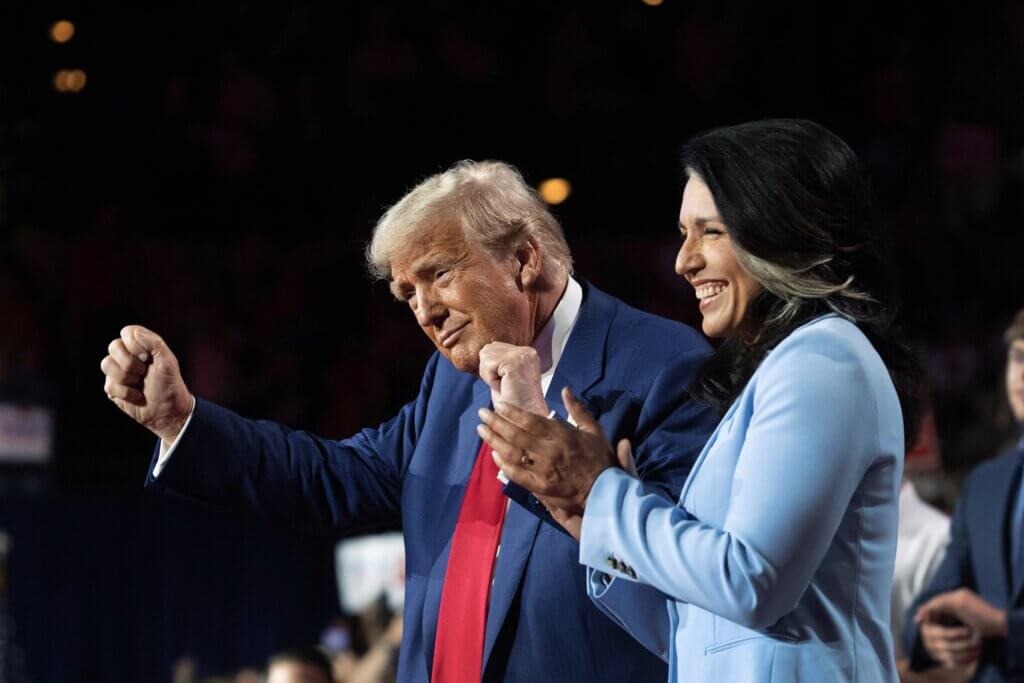
The phrase “Tulsi Gabbard security clearance” has suddenly become a headline across major U.S. and international media outlets. In a stunning development, Director of National Intelligence Tulsi Gabbard, under President Trump’s directive, revoked the security clearances of 37 current and former intelligence officials.
The move has ignited fierce debate in Washington and beyond—supporters call it a necessary step to depoliticize intelligence, while critics argue it represents an alarming abuse of power. This decision is not just about access to classified information; it touches the very heart of how America’s intelligence system functions and how it is perceived globally.
Why Tulsi Gabbard Security Clearance Revocation Matters
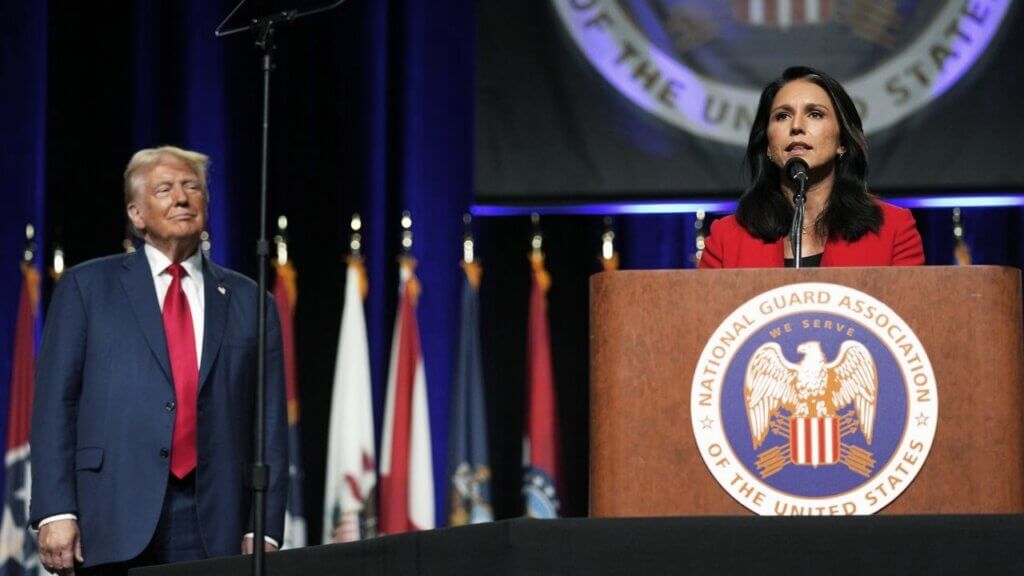
In one of the most controversial national security decisions of the Trump era, Director of National Intelligence Tulsi Gabbard revoked the security clearances of 37 current and former intelligence officials. The decision, made under President Trump’s directive, has ignited debate about accountability, politicization, and the independence of U.S. intelligence.
According to Gabbard’s official memo, the targeted officials were accused of politicizing intelligence, failing to uphold analytic standards, and in some cases, misusing classified material. Many of them were connected to the 2016 Russia interference assessment and investigations that Trump has long called the foundation of “Russiagate.” Others served during the Obama administration or played roles in Trump’s impeachment.
Advertisment
Supporters Defend Tulsi Gabbard’s Security Clearance Move
Proponents argue that the Tulsi Gabbard security clearance revocation was overdue. They believe the clearance system was misused, giving former officials privileged access and a political platform in the media. By stripping these privileges, the Trump administration and Gabbard aim to ensure intelligence remains focused on national security rather than partisan agendas.
Criticism and Legal Concerns
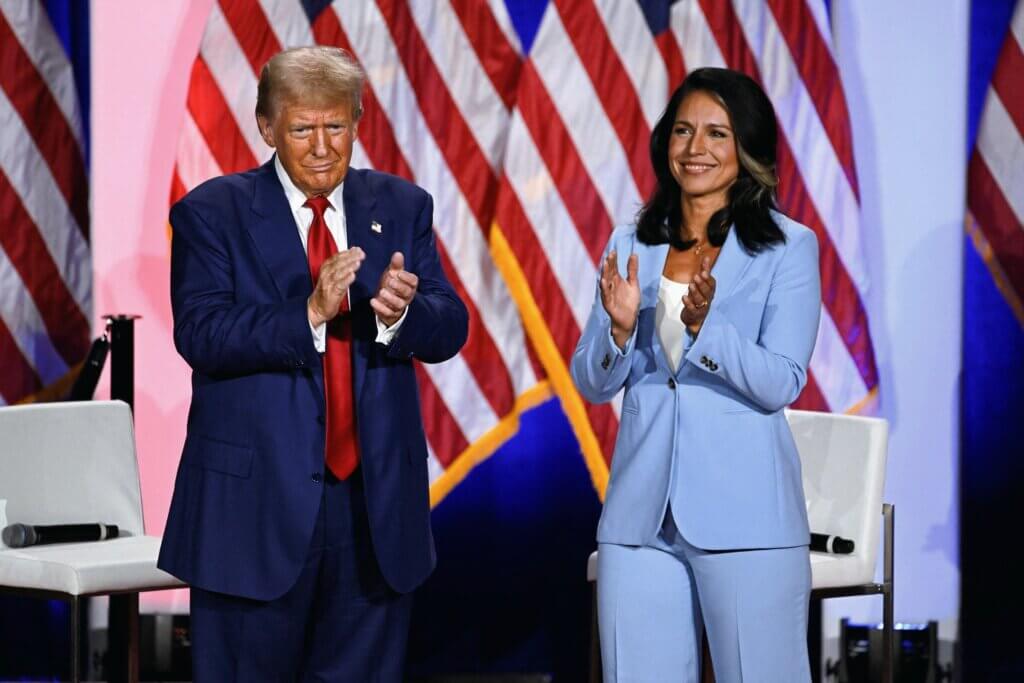
Critics, however, argue that the sweeping revocation undermines due process. Legal experts warn that publicly naming officials could violate the Privacy Act. National security professionals fear that the move could silence dissent within the intelligence community, discouraging analysts from presenting inconvenient truths.
International Implications
The Tulsi Gabbard security clearance decision also carries global consequences. Allies may question U.S. intelligence stability, while adversaries could exploit this moment to weaken trust in American intelligence.
Conclusion
The revocation of 37 security clearances is about more than paperwork—it represents a deep clash between accountability and independence. Tulsi Gabbard’s decision may reshape the role of intelligence in U.S. politics for years to come.