
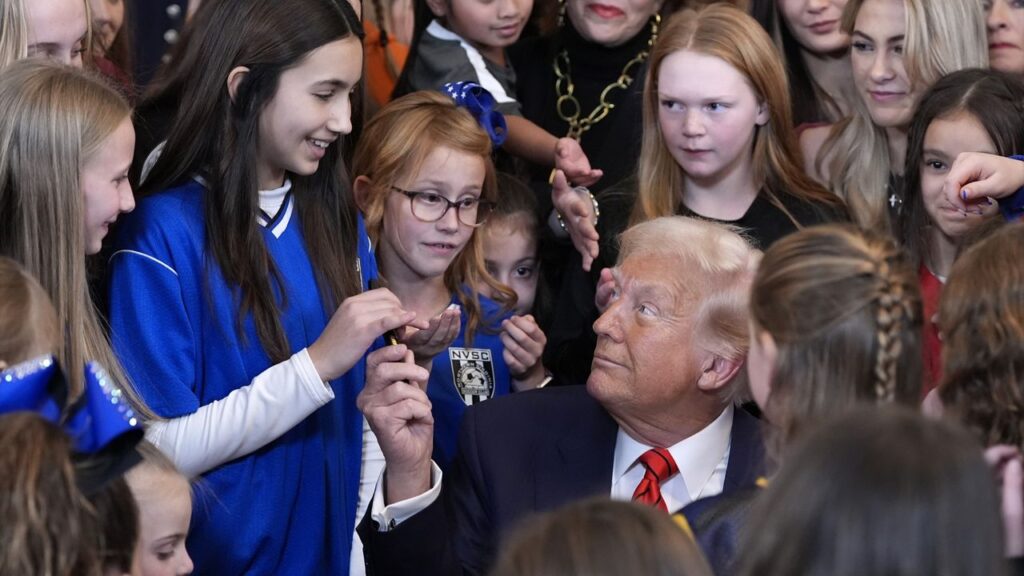
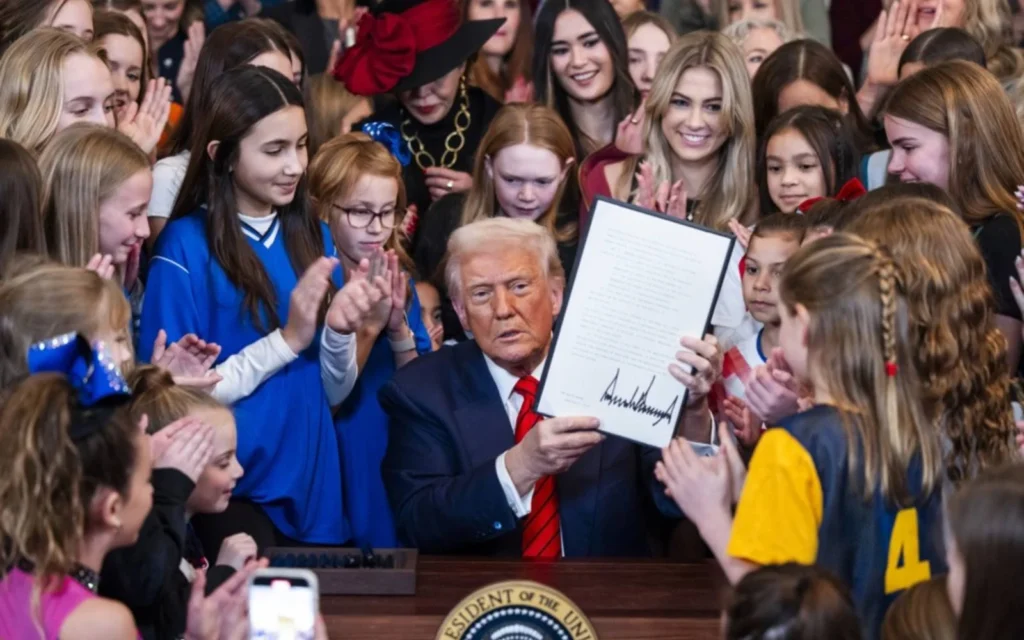
In a significant policy reversal, Maine Governor Janet Mills has aligned the state with “President Donald Trump transgender sports ban” executive order banning transgender women from participating in women’s sports. The decision comes after a period of controversy between state and federal officials over the inclusion of transgender athletes.
The conflict escalated when the U.S. Department of Education found that Maine’s policy of allowing transgender girls to compete on girls’ sports teams was in violation of Title IX, leading to the suspension of $175 million in federal funds to the University of Maine System (UMS). The federal government ordered that Maine ban transgender athletes from girls’ and women’s sports or face prosecution for violating anti-discrimination laws.
Initially, Governor Mills opposed the federal directive, citing compliance with state and federal laws protecting against discrimination based on gender identity. In a public conversation at the National Governors Association meeting, President Trump transgender sports ban warned Governor Mills of the potential loss of federal funds if the state did not comply with the executive order. Governor Mills responded by emphasizing the state’s legal stance, indicating a readiness to challenge the federal mandate in court.
However, the financial implications of losing substantial federal funding, along with potential legal battles, prompted a reevaluation of the state’s position. The University of Maine System, which has been facing a significant funding freeze, agreed to comply with the executive order to ensure the continuation of federal funds needed for research and education. Chancellor Dannel Malloy expressed relief at the restoration of funding, emphasizing the importance of federal support to university operations.
The NCAA amended its policy to prohibit athletes designated as male at birth from competing in women’s sports, which aligns with the federal stance and influences state policies. These developments reflect a broad federal enforcement effort to ensure compliance with Title IX provisions protecting women’s sports.

Related Post
- KAL Drone Successfully Tested at Pokhran
 KAL, a long-range attack drone developed by IG Defence, successfully completes a trial at Pokhran Field Firing Range in Rajasthan.
 - Jake Altman Warns of DSA’s Marxist ShiftFormer DSA board member Jake Altman alleges rising Marxist influence and support for anti-US foreign regimes within the organization.
- Trump Bans CNN: White House Restricts CNN, MS NOW and PoliticoTrump Bans CNN as the White House restricts CNN, MS NOW and Politico, citing what Trump called “fake news” reporting.


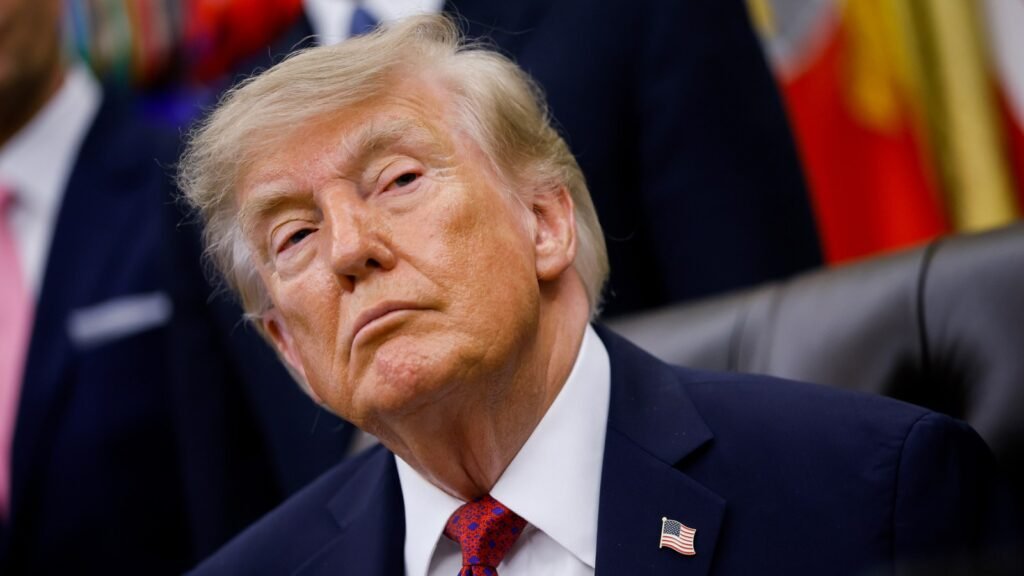
Governor Mills’ decision to comply with the executive order marked a notable shift in Maine’s approach to transgender inclusion in sports. While initial resistance highlighted the state’s commitment to anti-discrimination principles, practical considerations of retaining federal funding and avoiding legal entanglements led to a policy reversal. This development underscores the complex interrelationship between state policies, federal mandates, and the evolving discourse on Trump transgender sports ban rights in the United States.
While Maine implements the new policy, the state joins others in navigating the controversial issue of Trump transgender sports ban participation in sports, balancing inclusivity with regulatory compliance. Maine’s situation may serve as a precedent for other states facing similar challenges, illustrating the potential consequences of diverging from federal directives on this issue.


I don’t think the title of your article matches the content lol. Just kidding, mainly because I had some doubts after reading the article.