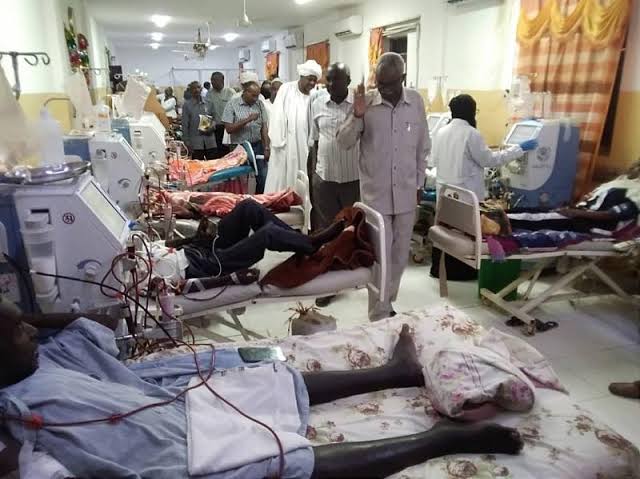
The lives of thousands of Sudan Kidney Failure patients are in serious danger amid the ongoing conflict and humanitarian crisis in Sudan. According to the World Health Organization (WHO), more than 5,500 people suffering from kidney failure in Sudan depend on regular dialysis. If dialysis is not received on time, the patient may die.
In view of this crisis, the Kingdom of Saudi Arabia provided financial assistance of US$5 million (approximately ₹42–43 crore) through its humanitarian aid organization King Salman Humanitarian Aid and Relief Center (KSrelief). WHO used this amount to continue life-saving dialysis services in Sudan.
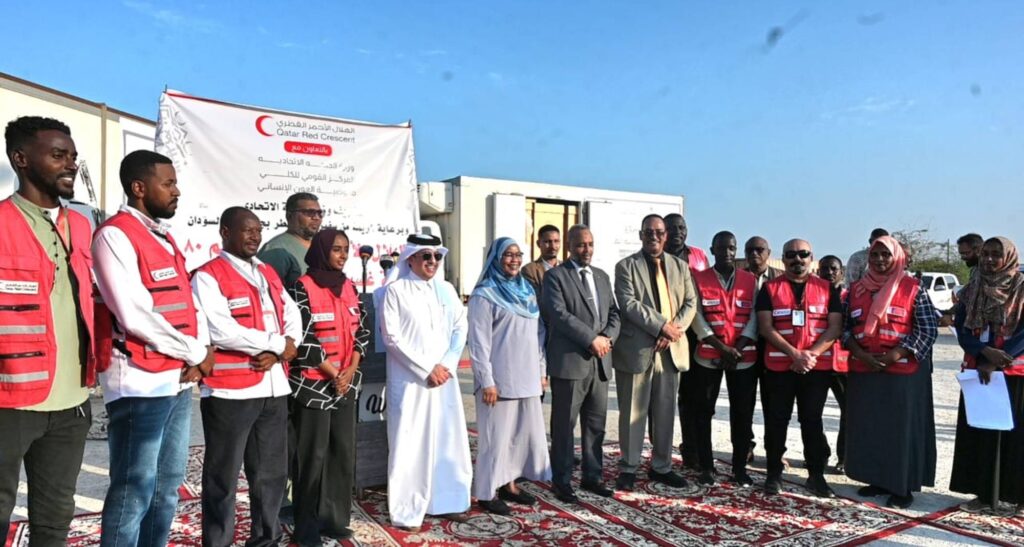
WHOHO Director General Tedros Adhanom Ghebreyesus thanked Saudi Arabia for this cooperation on social media, saying that this funding has helped in continuing the treatment of thousands of patients and provided essential health services even in difficult circumstances. In this statement, WHO clarified that this contribution ensures the continuity of Sudan’s dialysis program.
Sudan Kidney Failure Patients is in the grip of civil war from April 2023. The country’s health system almost collapsed due to continuous fighting, hospital losses, shortage of medicines and pressure on health workers. For this reason, continuing dialysis services for kidney patients has become the biggest challenge.
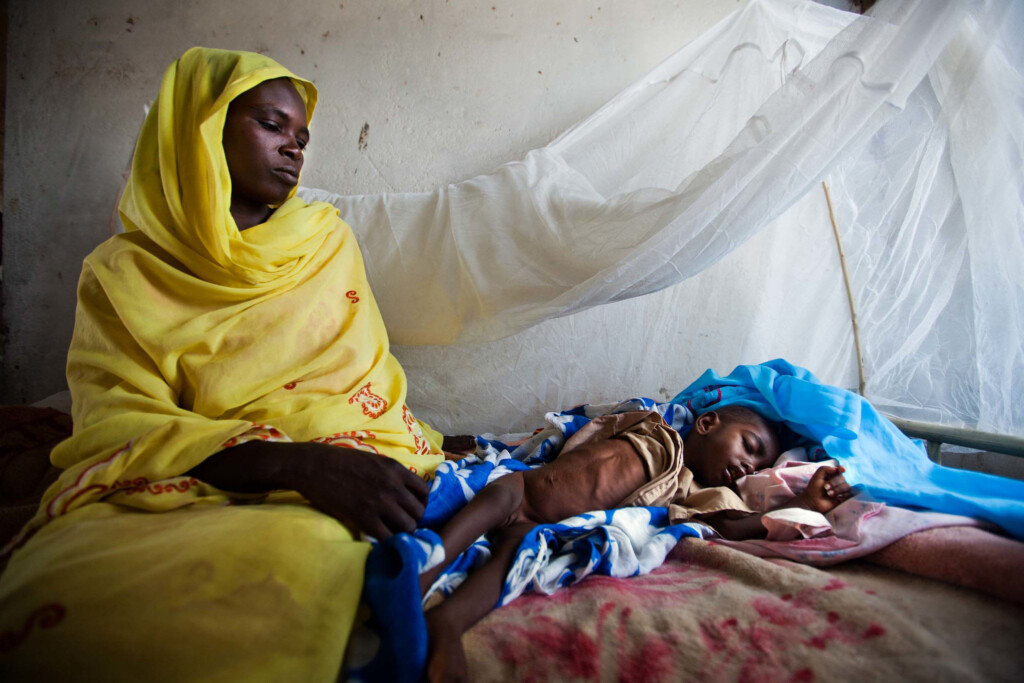
According to experts, a patient with kidney failure may need to undergo dialysis several times a week. If this treatment is stopped even for a few days, poisonous substances will start accumulating in the body, which can pose a direct threat to the patient’s life. For this reason, continued maintenance of dialysis services is considered extremely important.
Saudi Arabia’s economic aid is not just a sum of money, but also a strong example of humanitarian cooperation. According to WHO, this fund helped in providing dialysis machines, medical supplies, medicines and maintaining essential services in hospitals. Thousands of patients benefit directly from this treatment every day.
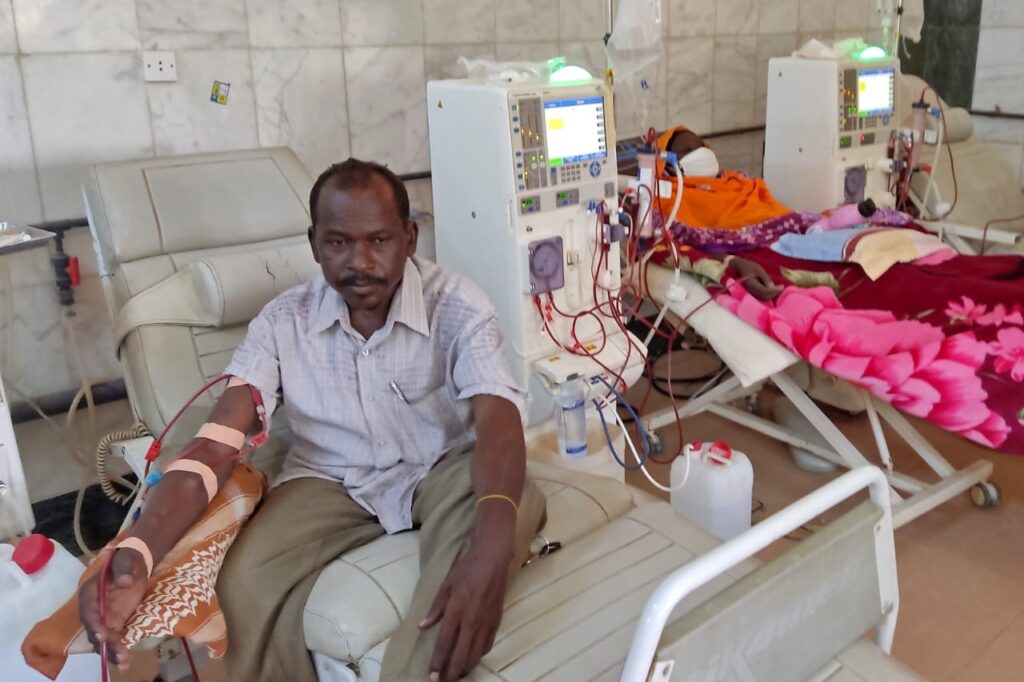
The World Health Organization has consistently appealed to the international community to provide greater financial support to safeguard Sudan’s healthcare system. Maintaining medical facilities in conflict-torn areas is no easy task, yet international partnerships are making it possible.
Saudi Arabia’s contribution also demonstrates that global health crises cannot be resolved in isolation. When nations and international organizations collaborate, thousands of lives can be saved. Describing this cooperation as “Partnership in Action,” the WHO stated that it strengthens the shared commitment to protecting health, hope, and human dignity.