
There is a lot of discussion about governments NYC budget explained these days, especially when it is said that “$12 billion deficit was eliminated and reduced to zero.” On the outside, it looks like everything worked out, but in reality, things are not so straightforward. There are two essentials to understanding this whole system—Cash Budget Balance and Structural Deficit.
What is Cash Budget Balance?
Cash Budget Balance means that the government balances its revenue and expenditure within a year.
NYC budget explained if there was a $12 billion deficit before, then it could be covered this year to show a “zero deficit”.
It looks like the government succeeded, but it is just short-term accounting.

There are several methods that can be used:
- Taking money from another government (state or federal).
- By using one-time funds or reserves
- Defer certain expenses to later years
Meaning this is “today’s photo”, not the story of the whole life.
What is a Structural Deficit?
Structural Deficit means that there are problems in the real system of government.
If every year:
- Expenses are high
- Income is low
So this gap will remain again and again.
In this case, the government at times tries to borrow, postpone pensions, or use temporary money, but the real problem is not eliminated.
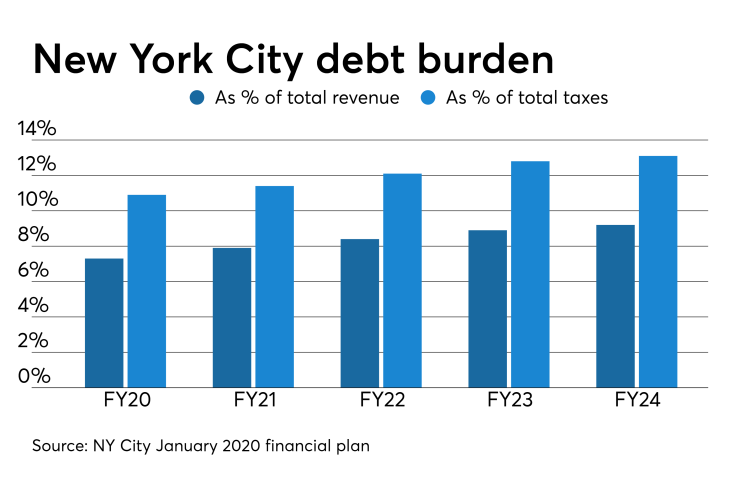
Simply put: “Every year your pockets are empty, even if today seems to be full of something.”
The real difference between the two
The Cash Budget Balance only shows the status of one year, while the Structural Deficit shows the weakness of the whole system.
- Cash Balance = Book fine as of today
- Structural Deficit = The crisis will continue in the future
For this reason, sometimes the government says “the deficit went to zero”, but economists say the real situation is not that strong.
Impact on the public
When the government creates the Cash Budget Balance, the people seem to have:
- All expenses are under control
- The city or country is financially stable
But if the Structural Deficit continues, in the future:
- Taxes may increase
- Public services come under pressure
- Debt may increase
- Pension and welfare systems may be weakened
Conclusion
Cash Budget Balance is a kind of short-term political success, while Structural Deficit is a long-term economic warning signal.
It is important to understand both of these, because sometimes governments win people’s trust by showing “zero deficit today”, but the real challenges come in the years ahead.
The real question isn’t “is the deficit zero today”, the real question is is this system sustainable in the long-term?