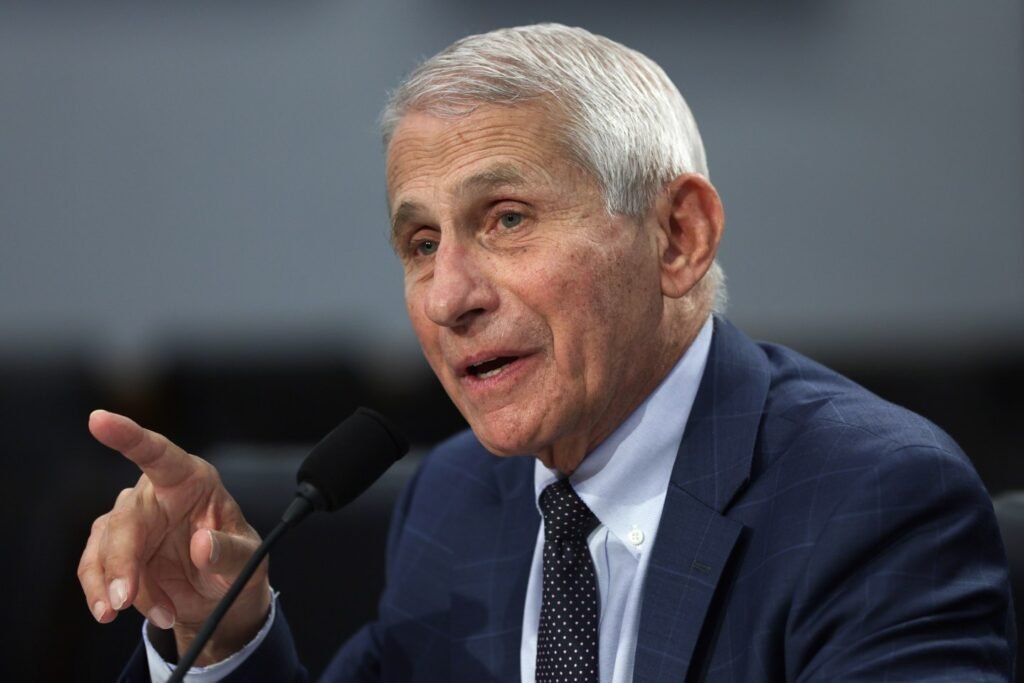
Washington — New text messages involving Dr. Anthony Fauci—a key figure in U.S. health policy during the COVID-19 pandemic—have now been made public, raising fresh questions regarding the safety of COVID-19 vaccines for pregnant women and the nature of the government’s public messaging.
According to text records released on August 10, 2026, Fauci was discussing COVID-19 vaccination for pregnant women with then-CDC Director Rochelle Walensky and Surgeon General Vivek Murthy in January 2021. In one message, Fauci noted that many people might experience fever and a strong immune response after the second dose, and that this could, theoretically, be linked to miscarriage during the first trimester.
The word “theoretically” in Fauci’s private concerns
Crucially, Fauci used the word “theoretically” in his message. This indicates the discussion centered on a potential scientific concern rather than evidence that the vaccine actually causes miscarriages.
At the time, available data regarding pregnancy was limited because pregnant women had not been included in sufficient numbers in early vaccine trials. The NIH later acknowledged a lack of robust prospective data on vaccination during pregnancy and initiated a study to address this gap.
Fauci stated “No Red Flags” in public statements
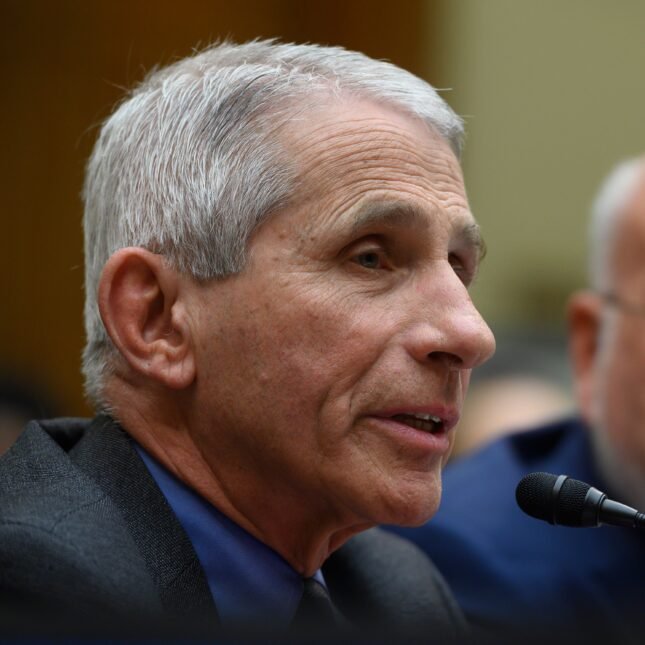
A few days later, during a JAMA livestream on February 3, 2021, Fauci publicly stated that no “red flags” regarding pregnant women had been observed in the data available to the FDA.
In subsequent months, he also noted that CDC follow-up data showed no signs of increased adverse outcomes among vaccinated versus unvaccinated pregnant women.
Questions arise over the gap between private discussions and public messaging
This discrepancy now lies at the heart of the controversy.
Critics are asking whether the uncertainty regarding potential risks—discussed privately by officials—was fully conveyed in public communications. On the other hand, it is also important to note that in scientific discussions, a theoretical risk and a proven risk are two different things.
What did subsequent research reveal?
Subsequent research clarified the picture significantly.
A systematic review and meta-analysis published in 2023 examined data from 21 studies involving approximately 150,000 women. The study found no statistically significant increase in the risk of miscarriage following COVID-19 vaccination compared to unvaccinated or placebo groups.
Findings from the CDC and Medical Organizations
Guidance from the US CDC also states that studies involving data on over a million pregnant women worldwide found no increased risk of miscarriage, stillbirth, preterm delivery, or birth defects associated with vaccination.
According to the CDC, pregnancy itself increases the risk of severe COVID-19, whereas vaccination can reduce the danger of serious illness.
The American College of Obstetricians and Gynecologists also states that available surveillance data does not link COVID-19 vaccination to an increased risk of pregnancy loss.
What conclusion can be drawn from the available evidence?
Therefore, the most accurate conclusion to draw from the newly released records is not that “Fauci knew the vaccine causes miscarriages.”
The available records do show that in January 2021, Fauci privately discussed a theoretical concern regarding the first trimester, while later public statements—based on available data—highlighted “no red flags” and expressed support for vaccination.
The debate now centers on transparency
The real debate now is about transparency—specifically, how clearly policymakers should have communicated uncertainty and potential theoretical risks to the public during the early stages of the pandemic, when evidence was rapidly evolving.
The new messages have brought this question back to the forefront.