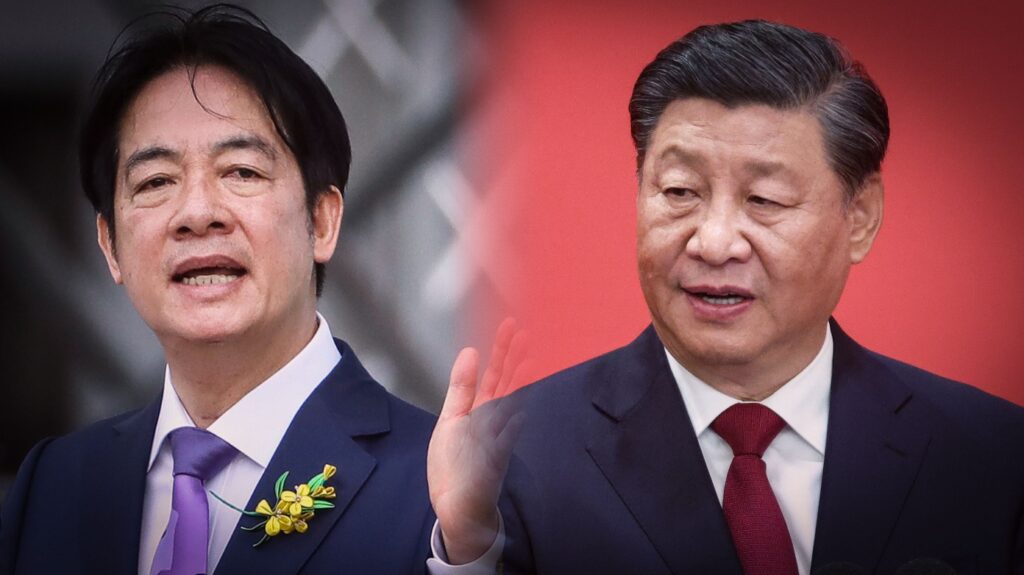
Taiwanese President Lai Ching-te has once again clearly stated that the people of Taiwan need to unite to safeguard their democracy. On Sunday, Taiwan China Relations he urged members of his party, the Democratic Progressive Party (DPP), to firmly confront the alleged “Red Terror” emanating from Beijing and to protect Taiwan’s sovereignty, democratic system, and national identity.
President Lai’s statement comes at a time when China is persistently reiterating its claim over Taiwan. Beijing maintains that Taiwan is part of China, whereas Taiwan’s current government and many of its citizens favor preserving their democratic system of governance. President Lai emphasized that the future of Taiwan can only be decided by the Taiwanese people, not by external pressure.
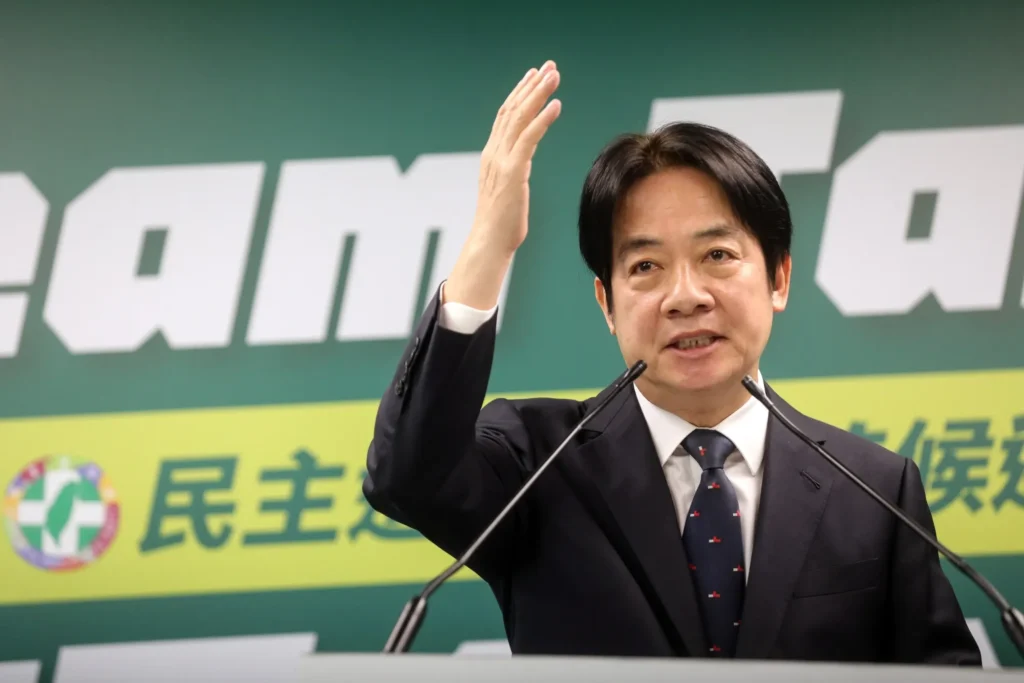
According to the President, democracy is Taiwan’s strongest identity. He stated that if the nation’s citizens remain united, it would not be easy to undermine the democratic system through external pressure or political interference. He also urged party workers to strengthen democratic values, freedom of expression, and the rule of law.
Taiwan China Relations by using the term “Red Terror,” President Lai signaled that China is attempting to expand its influence over Taiwan through political, economic, and information campaigns. The Taiwanese government alleges that Beijing is trying to sow instability within the country through disinformation, cyber activities, and political pressure. China, however, has consistently denied these allegations, maintaining that it merely upholds the “One China” policy.
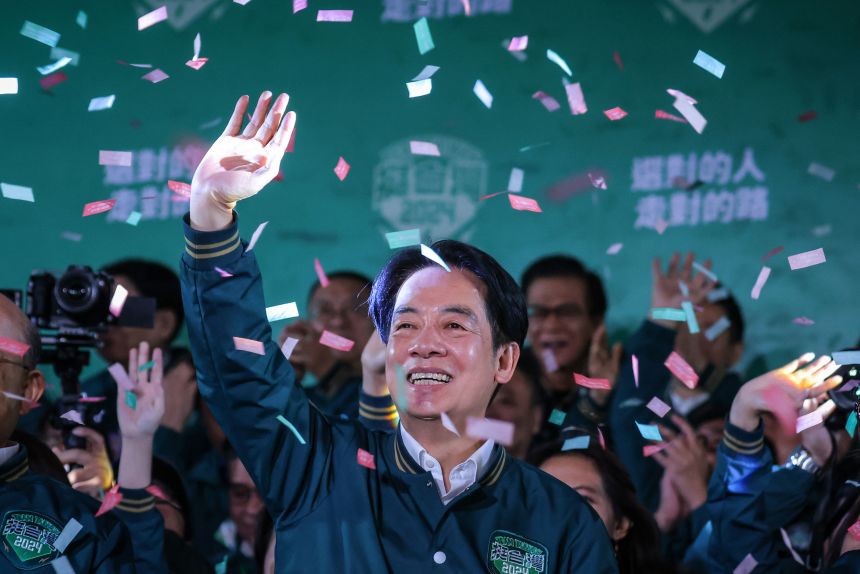
Relations between China and Taiwan have been strained for decades. Following the civil war in 1949, the two sides developed under separate systems of governance. China continues to regard Taiwan as its territory, while Taiwan elects its government through democratic processes. Many countries around the world are adopting a carefully balanced policy regarding this issue.
The issues of Taiwan’s security and democracy remain topics of constant discussion on the international stage. While many Western nations, including the US, support Taiwan’s self-defense capabilities, most countries officially recognize the “One China Policy.” For this reason, Taiwan-China relations are considered one of the most sensitive geopolitical issues in Asia.
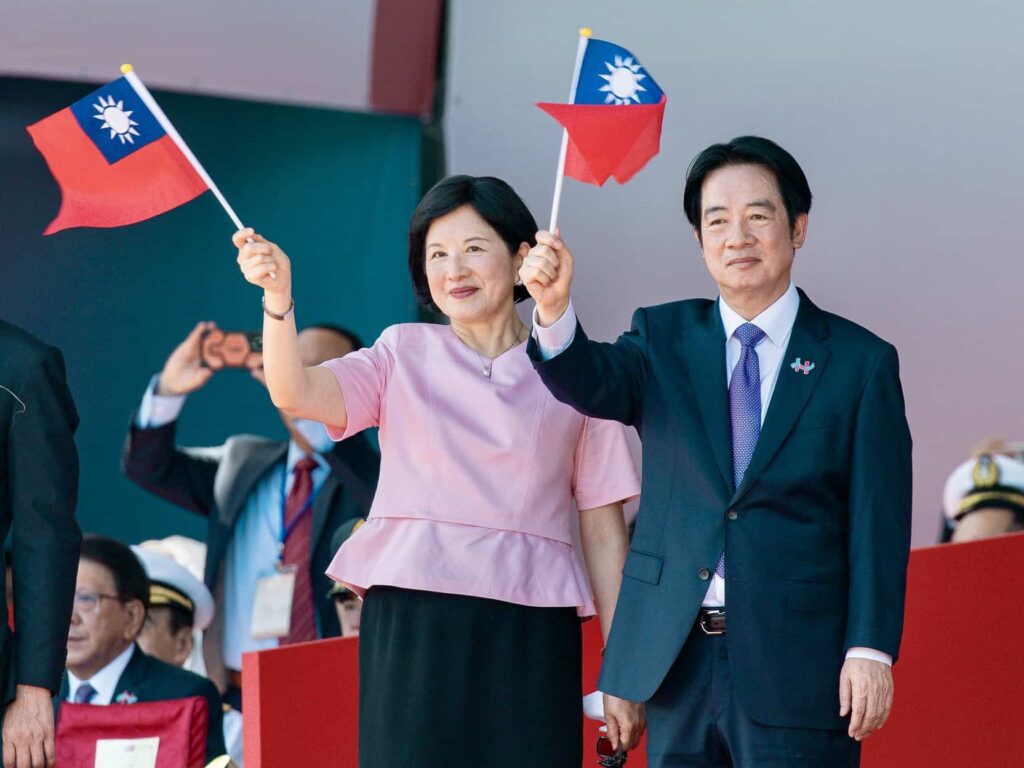
Political analysts believe that President Lai’s statement conveys a significant message to both the domestic audience and the international community. He wants the people of Taiwan to remain united in defending their democratic system and not yield to external pressure.
How Taiwan China Relations between China and Taiwan evolve in the future will depend largely on political dialogue, regional security, and international diplomacy. For now, President Lai Ching-te’s message is clear: unity within the country is paramount to safeguarding Taiwan’s democracy, its right to independent decision-making, and its national identity.