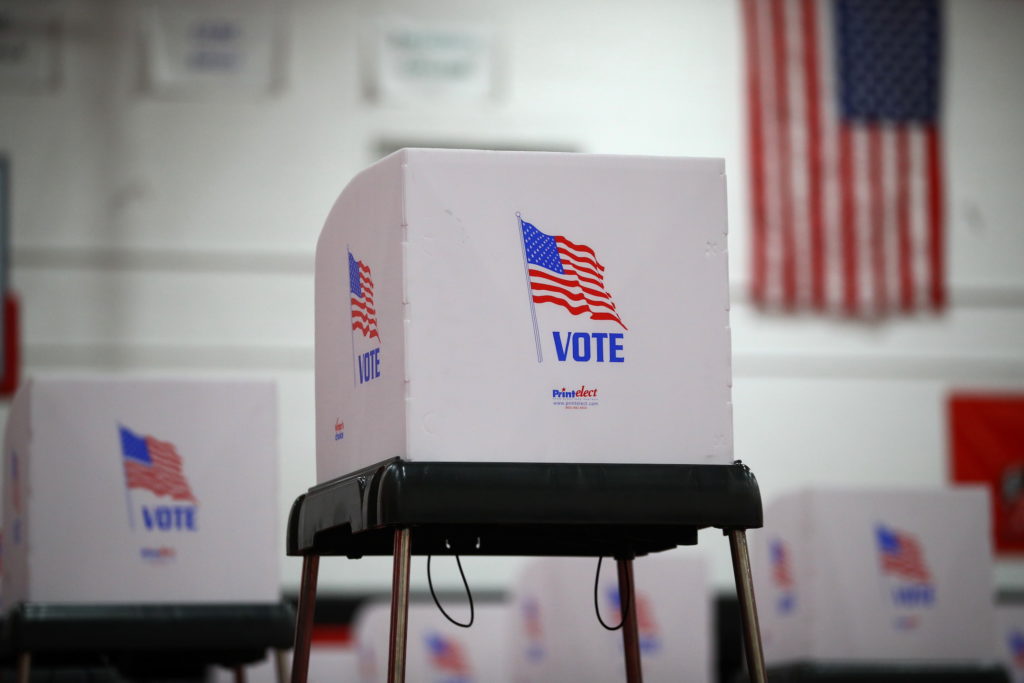
The security of electronic voting machines in the United States has once again come into the spotlight. Claims circulating on social media and among certain election watchdog groups suggest that a report by the Electronic Voting Systems Institute (EVSI) has revealed 319 “critical severity vulnerabilities” associated with electronic voting systems.
It is also alleged that this information was withheld from the public for approximately 22 months, even as many of the machines remained certified for use in elections.
However, it is important to clarify that there is no uniform confirmation of these claims from US government agencies or election officials across the board. Therefore, it is essential to understand this issue based on facts and official reports.
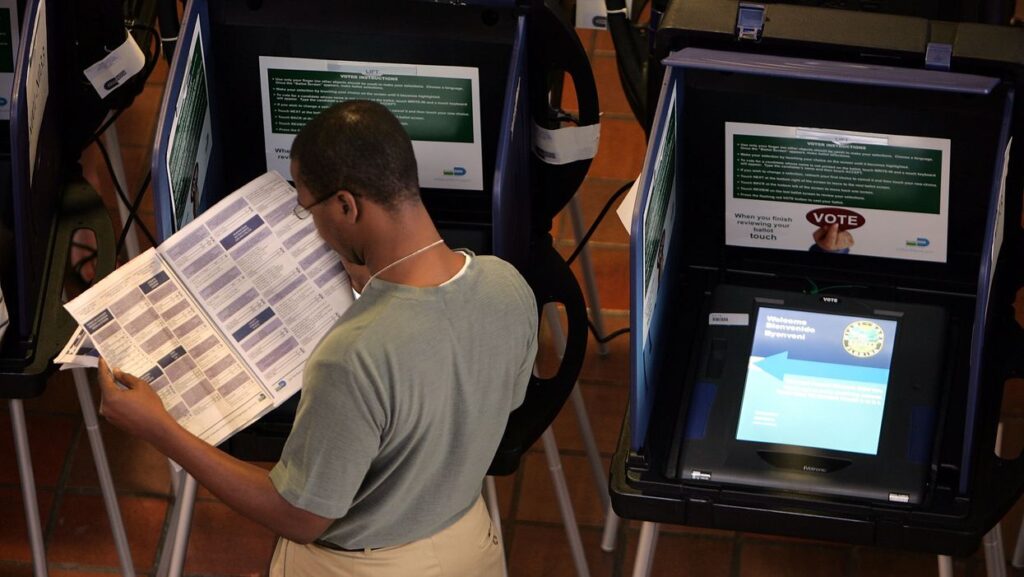
Since 2017, election infrastructure in the United States has been classified as “critical infrastructure.” This means that a successful cyberattack on the election system could impact national security and the democratic process. Consequently, the security of voting machines, voter registration systems, and election results is accorded high priority.
The organizations making these claims argue that potential vulnerabilities in electronic voting machines could leave the system susceptible to cyberattacks. Based on this, they are advocating for a shift to a system relying entirely on paper ballots and hand-counted votes, aiming to make the election process more transparent and bolster public confidence.
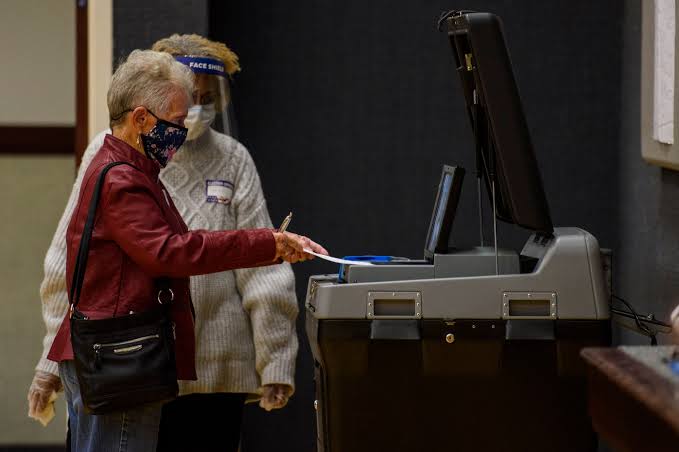
On the other hand, US election security experts point out that many states already have various security measures in place. These include Voter-Verified Paper Audit Trails (VVPAT), post-election audits, risk-limiting audits, software testing, and independent security assessments. The objective of these measures is to detect any potential irregularities and ensure the credibility of election results.
The US Cybersecurity and Infrastructure Security Agency (CISA) and other federal agencies regularly issue guidelines regarding election security. Security experts believe that discovering vulnerabilities in any electronic system is not unusual; what matters is addressing them promptly and implementing necessary security updates.
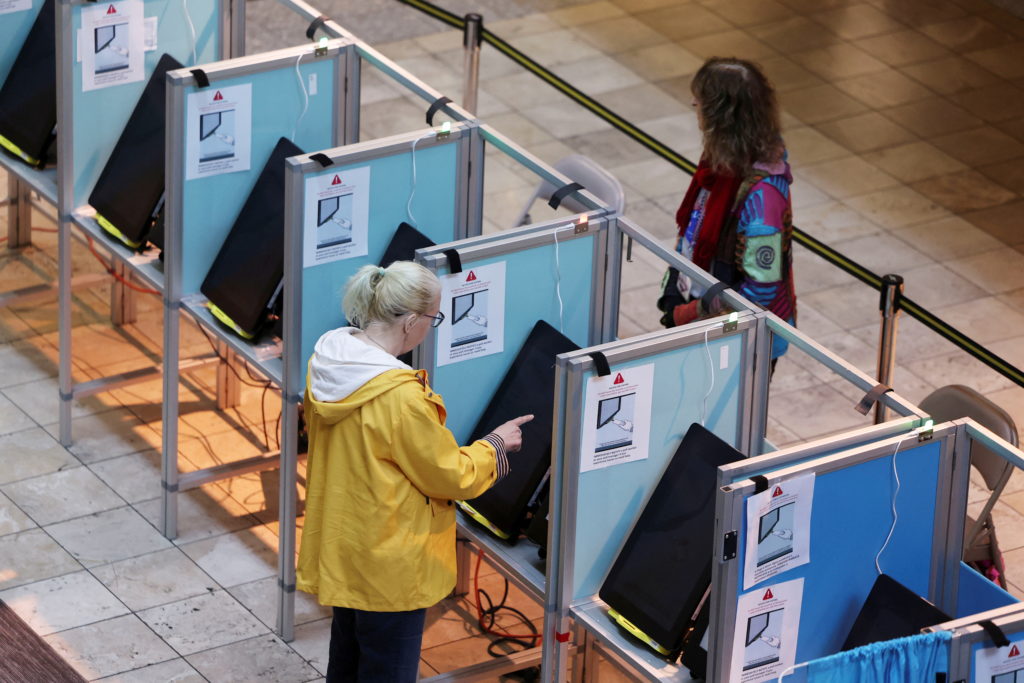
This entire controversy has once again raised the question of how to strike a balance between technology and transparency in modern electoral systems. One side advocates for a complete return to paper ballots, while the other maintains that electronic systems can be used securely if accompanied by robust cybersecurity, regular audits, and independent oversight.
As of now, there has been no independent and comprehensive official confirmation regarding the claims of 319 vulnerabilities and the suppression of information for 22 months. Therefore, before drawing any conclusions, it would be prudent to await information from official investigation reports, government agencies, and credible cybersecurity experts. For the strength of democracy, it is paramount that the electoral process remains secure, transparent, and worthy of public trust.