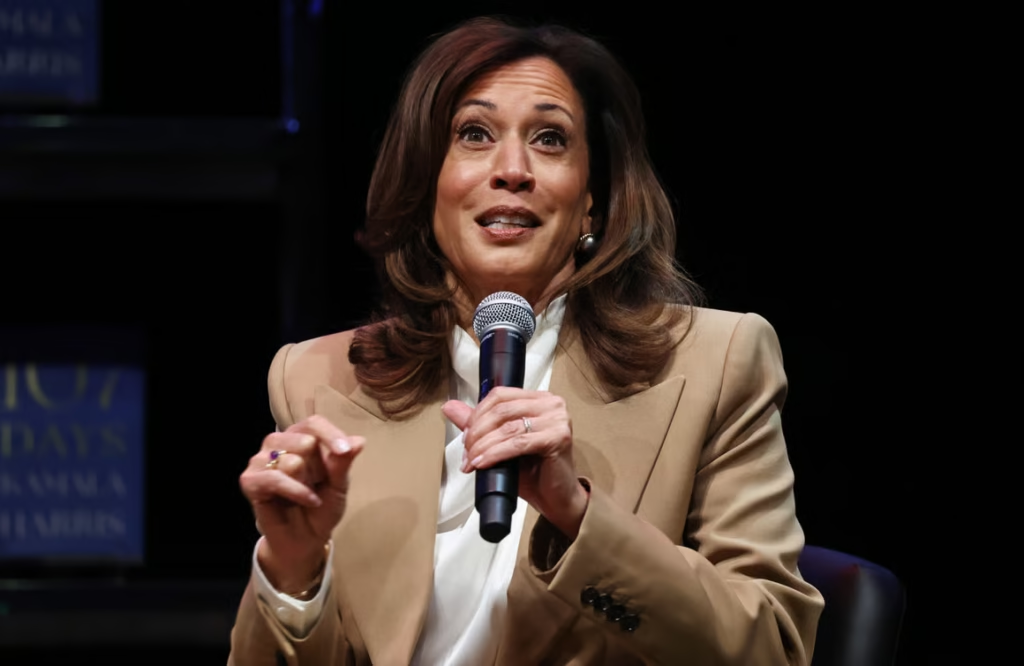
Recently, a statement made by Kamala Harris has once again heated up American politics. She asserted that the Democratic Party now needs to engage in a “no bad ideas brainstorm”—meaning that every conceivable idea should be openly considered in order to safeguard the party’s future. However, social media and political opponents are viewing this statement through a different lens.
Many argue that this statement is, in reality, a sign of the Democratic Party’s anxiety, as the public is gradually drifting away from their traditional political approaches. Critics believe that for years, the Democratic Party maintained its influence over America’s major institutions—whether it be the Hollywood entertainment industry, corporate media, the censorship practices of tech companies, the university system, the government bureaucracy, or the judicial system.
Despite possessing all this power, the mindset of ordinary voters began to shift, and the party consequently suffered political setbacks in several regions.
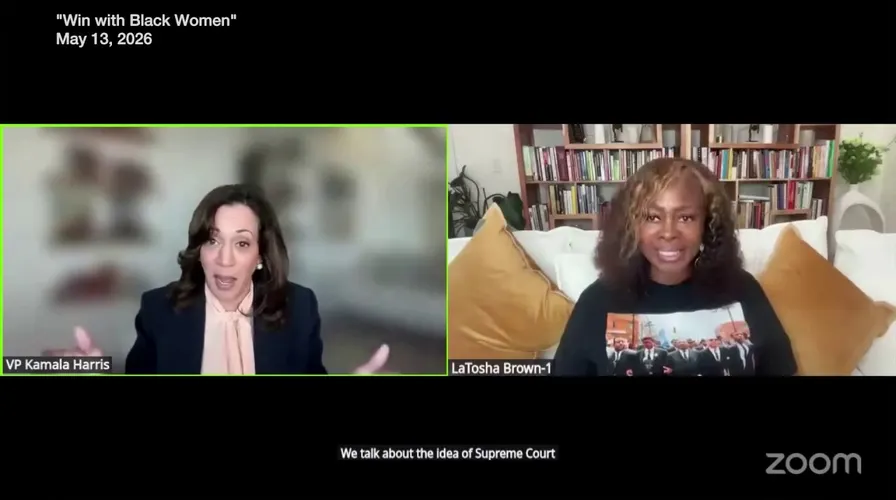
Critics further contend that, rather than seeking to win the hearts and minds of the public to contest elections, the Democratic Party is engaging in the politics of changing the rules of the game. For instance, many leaders advocate for the abolition of the Electoral College.
Others support increasing the number of justices on the Supreme Court of the United States—a practice commonly referred to as “court packing.” Regarding these issues, Republican supporters argue that whenever the electoral system fails to yield the desired results, attempts to alter the rules immediately ensue.
Kamala Harris particular line of reasoning is going viral on social media: “Why is it that every proposed reform ultimately seems to benefit the Democrats?” Whether it involves demands to federalize election oversight, debates over easing voting regulations, or a softening of border policies—in the eyes of their opponents, all of these constitute strategies designed to secure long-term political advantage.
Many people are also raising questions regarding America’s open-border policies. Supporters of the opposition party allege that large-scale migration is being actively encouraged with the specific aim of cultivating a future voter base.
However, Democratic leaders deny this accusation, asserting that immigration policy is fundamentally an issue linked to both humanity and the economy. Yet, the political climate has become so polarized that every policy is now being viewed through an electoral lens. Amidst this, supporters of Donald Trump consistently claim that the American public has grown weary of the “elite system” and now favors straightforward, nationalist politics.
Kamala Harris’s “no bad ideas” brainstorming remark is no longer merely a standard political talking point; it has evolved into a symbol of the deepening tensions within American politics. In the eyes of critics, this signals that the Democratic Party is currently searching for new avenues to regain the public’s trust.
Conversely, party supporters argue that discussing change in a democracy is not inherently wrong; rather, it is a process of strengthening the system to adapt to the times. However, it is evident that the political battle in America is no longer confined solely to winning elections; it has transformed into a direct confrontation regarding the country’s democratic framework, electoral regulations, and future trajectory.