
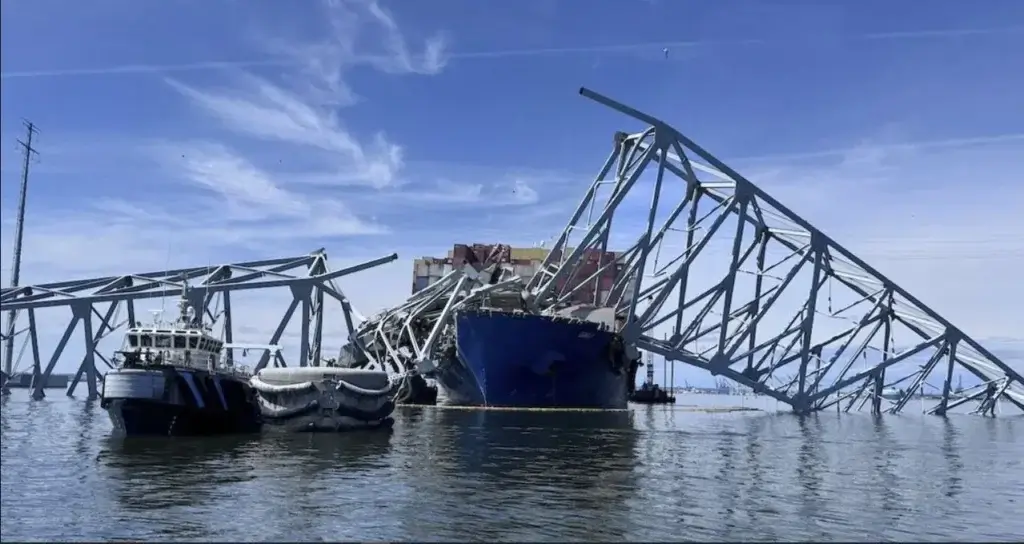
Recent Baltimore Crime Narrative headlines about Baltimore have centered on the political tug-of-war between President Donald Trump and Maryland Governor Wes Moore. While both leaders exchange heated remarks over crime rates and federal funding for the Francis Scott Key Bridge, one perspective often missing is the voice of Baltimore’s people. Beyond speeches and press conferences, residents, law enforcement officers, and local businesses are living the consequences of these debates every day.
How Local Communities Perceive the Crime Narrative
For many Baltimoreans, the crime debate feels like an outsider’s story. While Trump has painted the city as crime-ridden, several neighborhoods have seen noticeable improvements in safety due to community-driven programs and local initiatives. Some residents argue that progress is overshadowed by negative national headlines. Others, however, remain concerned about gun violence and drug-related crimes that still impact families.
“We’re not ignoring the issues, but we’re also not defined only by crime,” says a West Baltimore community organizer.
This clash between perception and reality highlights the gap between political rhetoric and lived experience.
Law Enforcement and Civic Leaders’ Reactions
Local police and civic leaders find themselves in the middle of this storm. On one hand, they rely on federal support for community policing grants and crime-prevention programs. On the other, political attacks risk hurting morale among officers who are already under pressure. Several nonprofit organizations working on youth engagement programs fear that political instability could dry up funding.
The broader concern: when city safety becomes a political talking point, it undermines the consistent, long-term strategies that officers and civic groups are trying to build.
Aadvertisment
The Bridge Rebuilding Through the Eyes of Baltimoreans
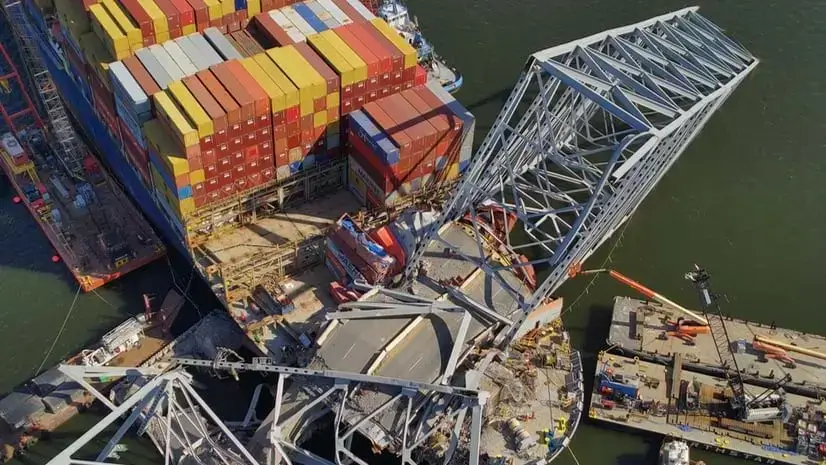
The Francis Scott Key Bridge collapse was not just an infrastructure failure—it disrupted daily life and economic stability. Commuters now spend longer hours on the road, while families feel cut off from jobs and services. Local businesses, especially those connected to the Port of Baltimore, fear losses if federal funds for rebuilding are delayed.
For truck drivers, shipping companies, and small businesses, the bridge isn’t just concrete and steel—it’s a lifeline. Political uncertainty over funding has left many anxious.
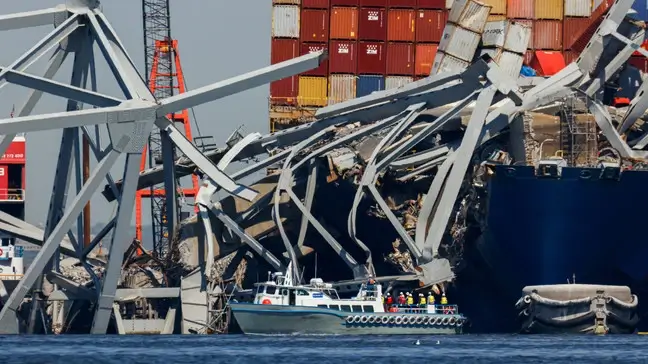
“Every delay costs us money. We don’t care about politics—we just need the bridge back,” says a Baltimore dockworker.
Conclusion
While national leaders debate crime rates and federal funding, Baltimore’s people are focused on the real challenges of daily life: keeping neighborhoods safe, supporting law enforcement programs, and rebuilding a bridge that holds the city’s economy together. The missing piece in this debate isn’t about political rivalry—it’s about listening to the community that lives these issues every single day.

Your article helped me a lot, is there any more related content? Thanks! https://www.binance.info/register?ref=JW3W4Y3A
Thank you for your sharing. I am worried that I lack creative ideas. It is your article that makes me full of hope. Thank you. But, I have a question, can you help me?