The United Airlines window seat lawsuit has sparked nationwide debate about airline transparency. At the heart of the issue is a simple promise: when passengers book a window seat, they expect an actual window. Instead, many United and Delta customers say they were charged premium fees for seats that only offered a blank wall.
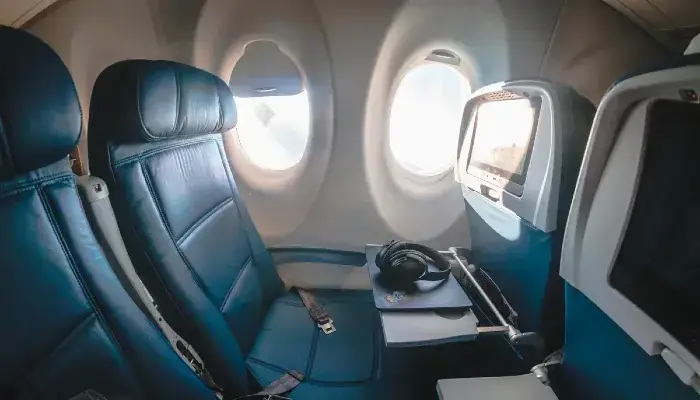
In August 2025, separate class-action lawsuits were filed against both airlines. The United case was brought in California, while Delta faces its case in Brooklyn, New York. The lawsuits allege that models such as the Boeing 737, 757, and Airbus A321 included rows labeled as “window seats” despite having no outside view.
Passengers argue this is deceptive. Many choose window seats to ease anxiety, enjoy scenic views, or keep children entertained. Paying extra—sometimes $30 domestically or up to $100 on international flights—without the promised benefit feels unfair.
How United Differs from Competitors
What makes the United Airlines window seat lawsuit even stronger is that other carriers, like American Airlines and Alaska Airlines, often disclose when a window seat lacks an actual window. Plaintiffs argue that United and Delta failed to provide the same transparency.
Advertisment
Potential Impact on Airline Industry
Estimates suggest each airline sold over a million of these “windowless window seats.” Passengers are now seeking refunds, punitive damages, and new rules requiring clear seat labeling.
If the lawsuits succeed, the industry could see big changes. Future booking maps may include warnings such as: “Window Seat – No Outside View.” The United Airlines window seat lawsuit highlights one truth: in modern air travel, honesty and transparency matter as much as comfort.