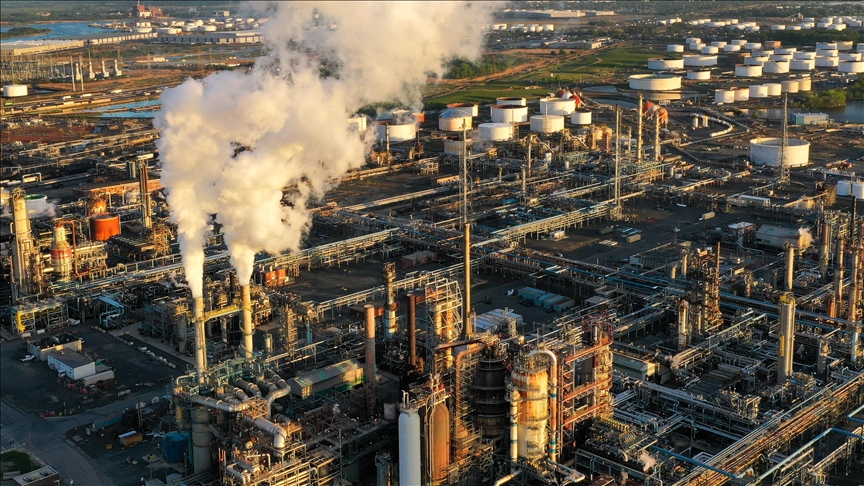
Things have become quite tense in the US energy sector at the moment. The closure or impact of a large refinery like Port Arthur Refinery, which processes about 395,000 barrels of crude oil per day, directly impacts the entire supply chain. The refinery is considered a strong base for fuel supply not only for Texas, but for the entire United States.
Port Arthur is located in the Gulf Coast’s refining corridor, from which nearly half of U.S. refining capacity operates. If a technological breakdown, natural disaster or security crisis occurs in the region, the impact is felt at the national level.
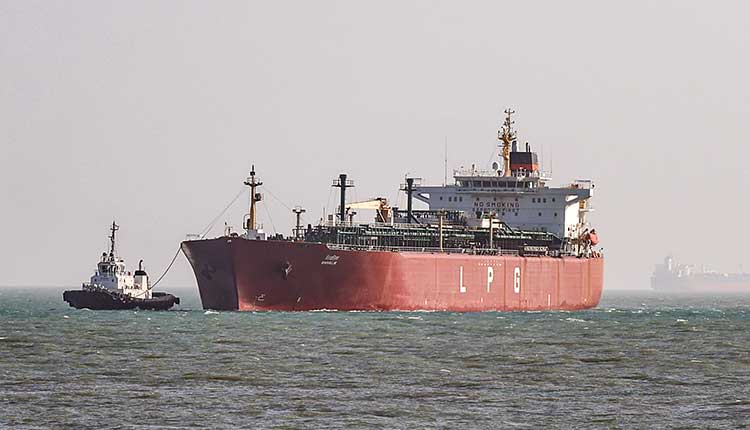
The situation is even more serious now. The closure of important straits such as the Strait of Hormuz has a direct impact on global oil supplies. The route is one of the most important oil transit routes in the world, with millions of barrels of oil passing through every day. If this path is blocked, the supply of oil suddenly decreases, causing a sharp rise in prices.
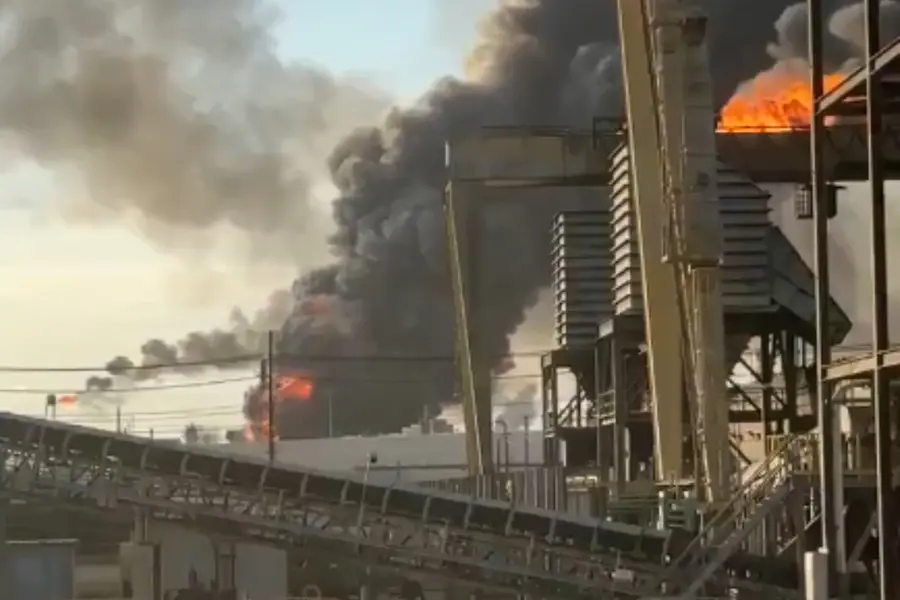
Amid the crisis, Iraq has also declared “force majeure” on its oil production, meaning it can no longer guarantee supplies. In addition, the damage to Qatar’s LNG hub is also affecting gas supplies. Together, these developments are increasing uncertainty in the global energy market.
International oil prices are now above $100 a barrel. In this situation, the United States government’s decision to approve oil sales to Iran and Russia is an attempt to stabilize the market. But the move has been debatable from a political and strategic point of view.
Looking domestically, gasoline prices in the U.S. are already running above $3.90 per gallon. Meanwhile, if refineries like Port Arthur remain closed for even a few days, supply will decline further. This could cause gas prices to rise sharply, especially in the Gulf Coast region, which would later affect the rest of the country.
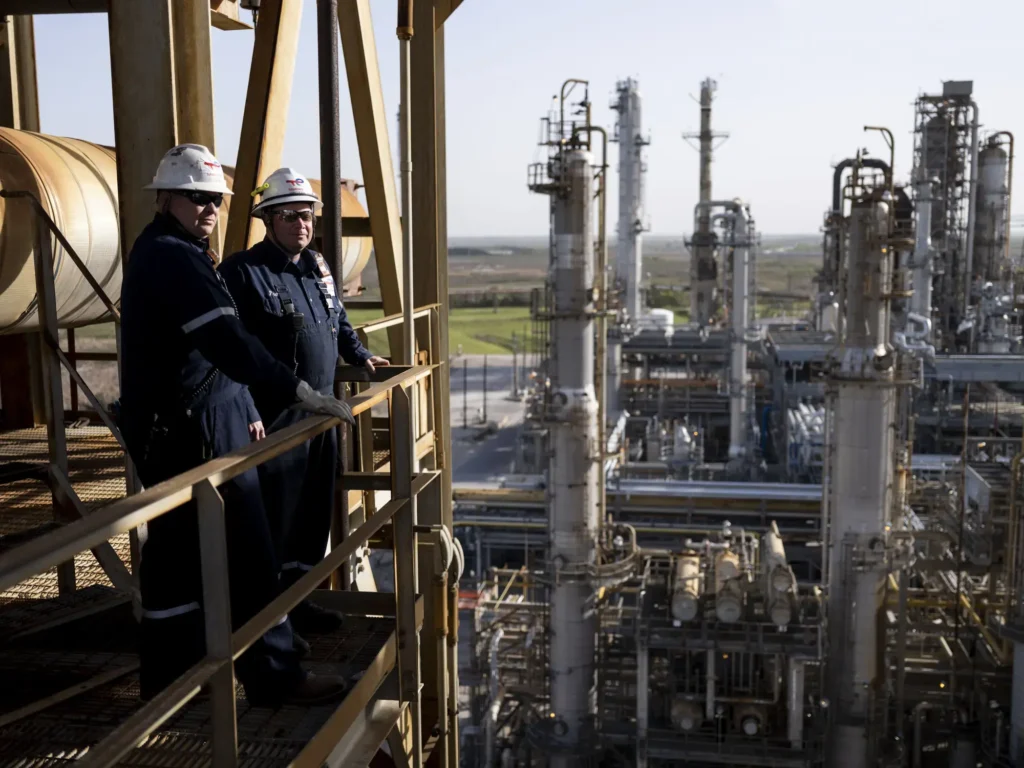
Experts believe that if repairs take several weeks, the crisis could deepen. Reduced supply, intact demand and continuing global tensions—these three things could combine to push prices higher.
Overall, this whole situation shows how sensitive the energy sector is in today’s global economy. A crisis in one place can have a worldwide impact. Even a strong country like the United States feels pressured in such situations, which is going to have a direct impact on global markets, politics and the pockets of the common man going forward.