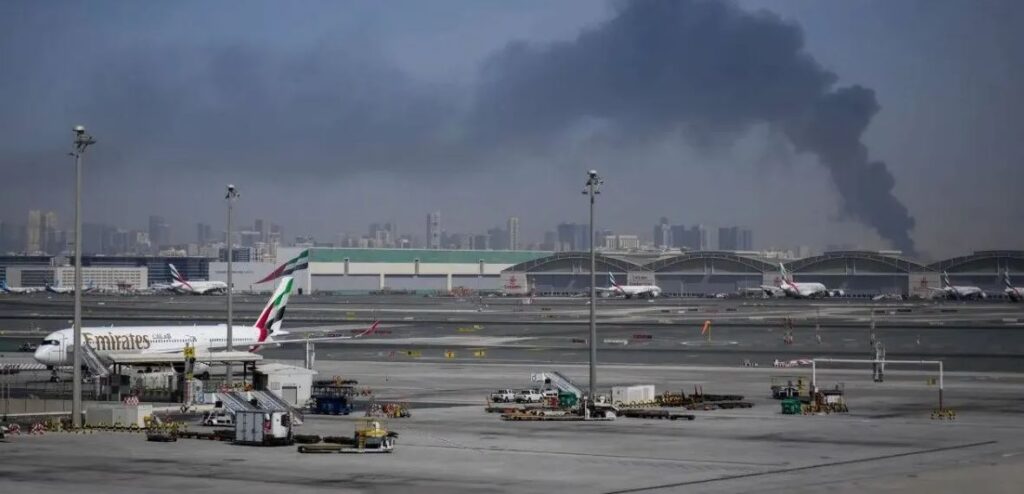
The effects of the increased military attacks on Iran by the United States and Israel since the end of February 2026 are now becoming apparent in the Gulf region. From March 1, several UAE airports, including Dubai International Airport, were closed for more than 48 hours, canceling more than 90% of flights and stranding thousands of passengers. The sudden closure caused severe inconvenience to tourists, expatriates and business travellers.
According to the report, many foreign nationals drove for hours to reach the borders of Oman and Saudi Arabia, in order to catch expensive charter flights from there. One private jet broker was quoted as saying that “half are making Dubai bookings.” The statement reflects an atmosphere of fear and uncertainty in the region. For the millions of migrants working in the Gulf countries, the sudden situation has added to the mental and financial pressure.
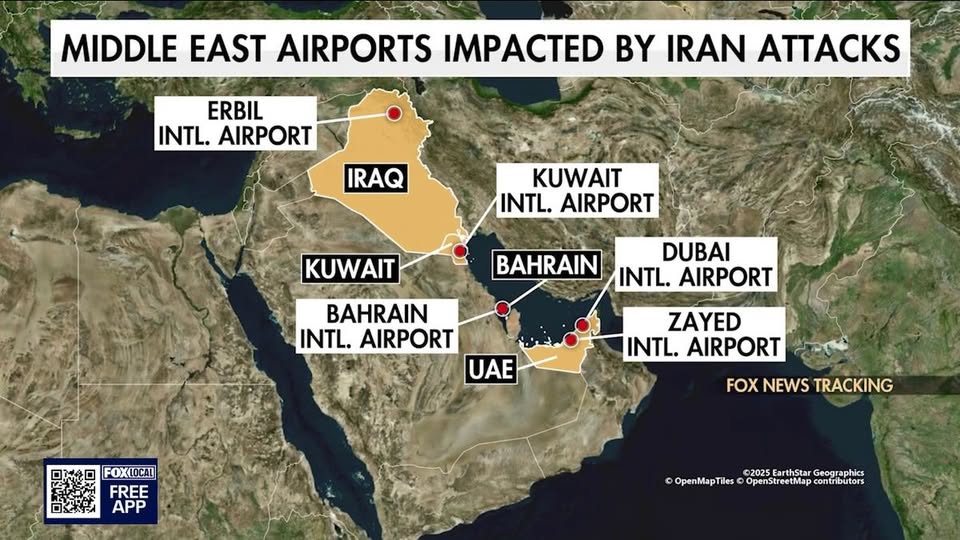
However, the picture on the ground looked a bit different as well. Many UAE residents consider this claim to be exaggerated. Famous pollster Yashwant Deshmukh said on social media that there were long queues of vehicles on the road back to Dubai from Muscat, indicating that people are returning rather than fleeing the country. According to him, it is clear from the “bumper-to-bumper traffic” that the situation is not like a one-way migration.
One expatriate, Tony Alam, openly said he felt safe and had no plans to leave the UAE at the moment. He believes the government is in control of the situation and security agencies are on alert. The UAE administration also continued to issue statements assuring citizens that the situation was being monitored.
The entire development has exposed the fragile geopolitical situation in the Gulf region. If tensions between the US-Israel and Iran prolong, not just the military front, but also aviation, trade and oil markets could be profoundly affected. For a global transit hub like Dubai, airport closures could be a major economic blow.
Finally, this incident shows that the effects of war are not limited to borders. Waves of international stress reach directly to ordinary citizens, migrants and the global economy. All eyes are now on a diplomatic solution, so that stability in the region can be restored quickly.