
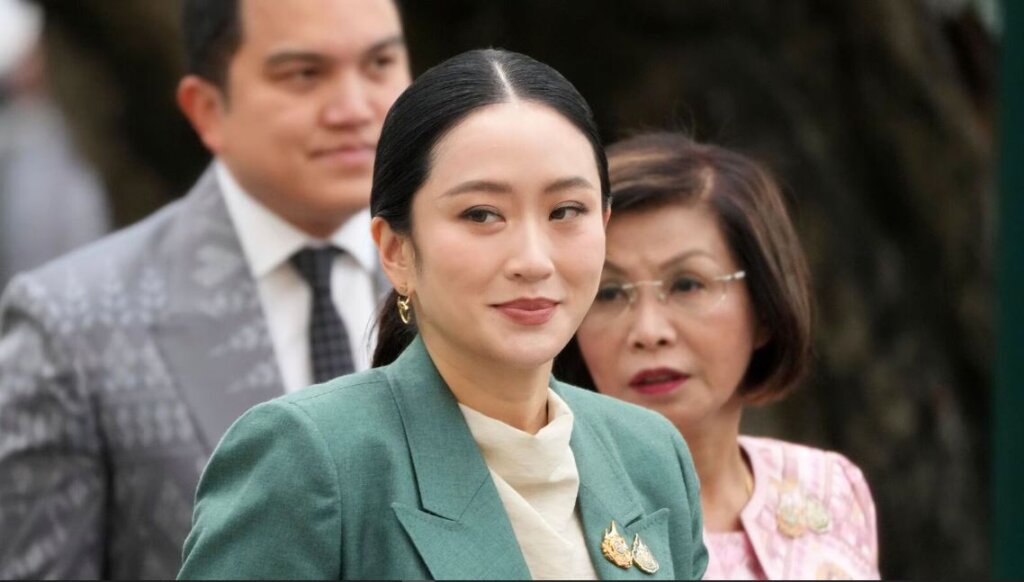
Thailand is once again facing political turbulence after the removal of Prime Minister Paetongtarn Shinawatra. While most reports highlight her dismissal by the Constitutional Court, several critical angles remain underexplored.
The real spark behind the crisis was the leaked phone call with Cambodia’s former leader Hun Sen. In that conversation, Paetongtarn addressed Hun Sen as “uncle” and described Thailand’s army chief as an “opponent”. These words fueled public outrage, with critics accusing her of undermining national pride and siding with a foreign power during a sensitive border dispute.
Adding to the controversy, the Constitutional Court delivered a 6-3 majority ruling, declaring her actions a serious ethics violation. Most media only mentioned her removal, but the vote split reflects how divided even the judiciary was over the issue.
Beyond the legal verdict, the collapse of her ruling coalition further weakened her position. The influential Bhumjaithai Party pulled out of government, signaling that political support was slipping away even before the final judgment.
Advertisment
With Paetongtarn’s exit, Deputy Prime Minister Phumtham Wechayachai has stepped in as caretaker leader, tasked with managing a fragile transition. Parliament must now decide on the next prime minister, but uncertainty looms large. Analysts warn that if no stable consensus emerges, Thailand could be heading toward early elections, deepening instability.
This episode also continues the long pattern of Shinawatra family leaders being removed by courts or coups. Paetongtarn became the sixth family-linked prime minister to face ouster, highlighting what many see as a systemic flaw in Thai democracy.
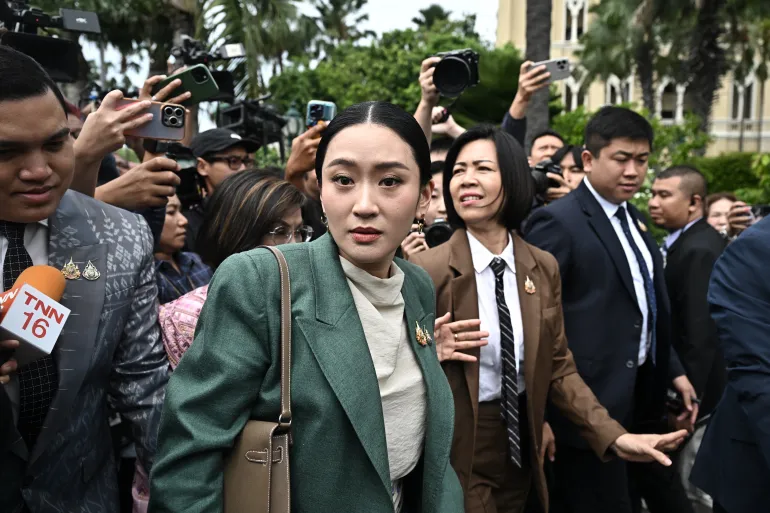
Public opinion is divided. Supporters of the Shinawatra dynasty call the ruling politically motivated, while critics argue it was necessary to protect national interests. Once again, Thailand’s powerful establishment—army, monarchy, and judiciary—has shown its ability to checkmate democratically elected leaders, leaving the future of the country’s democracy uncertain.
