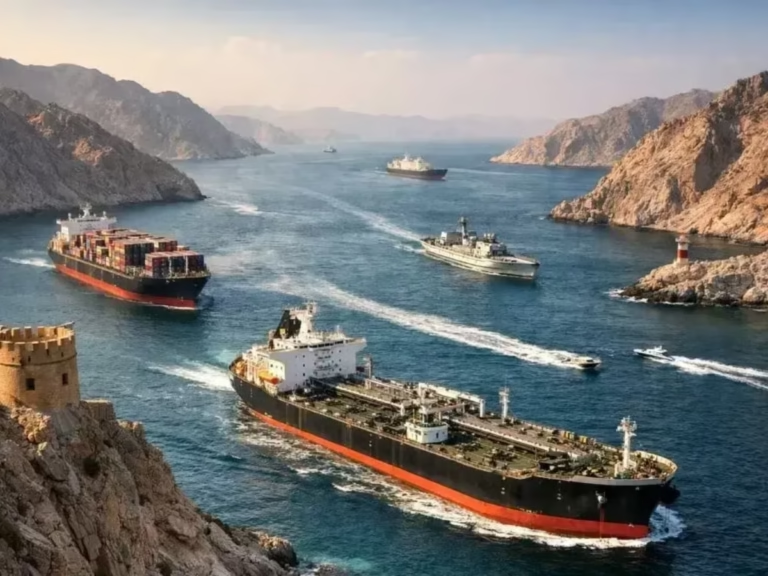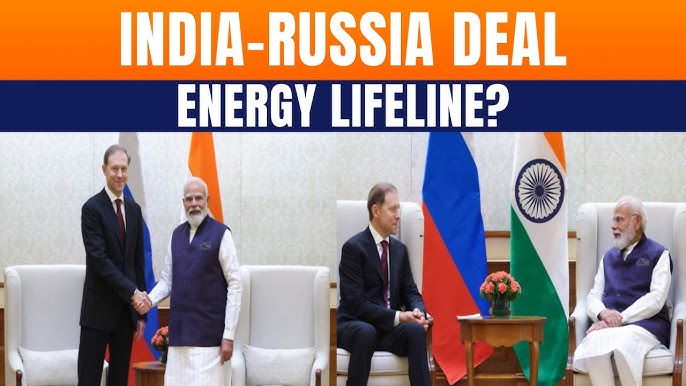
Russia offering cheap gas to India and Pakistan has created a new tension in today’s global energy market, where Russia is offering India and Pakistan by reducing the price of its liquefied natural gas (LNG) by up to 40%. The news comes as a disruption in the Strait of Hormuz pushed LNG prices in Asia above $25 per MMBtu, putting massive pressure on energy importing countries.
According to the report, the gas is not coming directly but is being sold through Chinese and Russian intermediaries, where fake paperwork is being used to hide the true origin so that the U.S. is not coming in directly. sanctions to be avoided. Experts say the LNG is likely coming from Novatek’s Arctic LNG 2 project, which is itself inside sanctions. This whole process is believed to be part of shadow fleet tactics, where illegal trade is being done by switching off the ship’s tracking system.
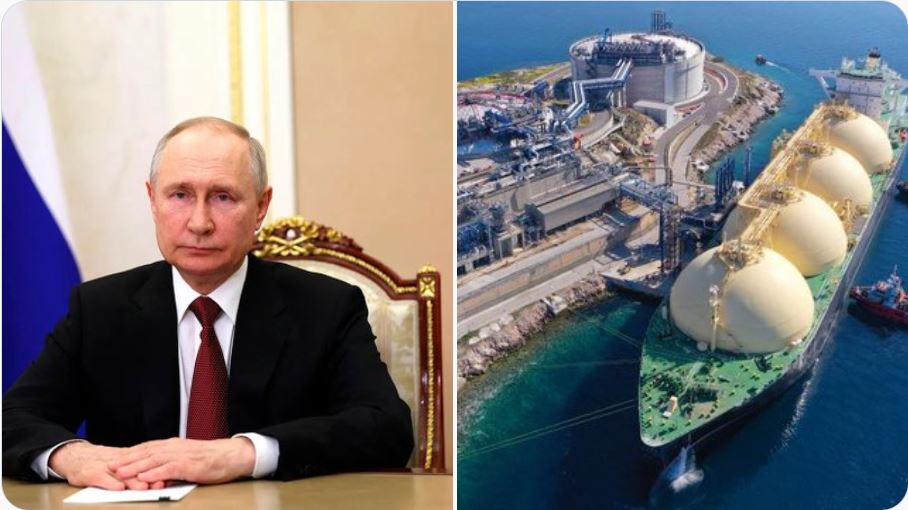
According to energy analysts, a country like India, which is experiencing rapid economic growth, cannot ignore cheap fuel, but the threat of secondary sanctions is equally great. Pakistan is already in an energy crisis, where people are suffering from power shortage and inflation, in which case cheap LNG could be a relief for them. But according to international law, if the deal is confirmed, both countries could face geopolitical pressure, especially from the United States.
Data from energy market data firm Kpler show that the closure of the Hormuz route has disturbed the global supply chain, becoming an opportunity for Russia to increase its influence by selling its discounted gas. The move by Russia offering cheap gas to India and Pakistan is not only economic, but also strategic, where Russia is trying to strengthen its grip in Asia while demand in Europe is declining due to sanctions. Although no official deal has been confirmed yet, speculation in the market is intense and traders are carefully monitoring the situation.
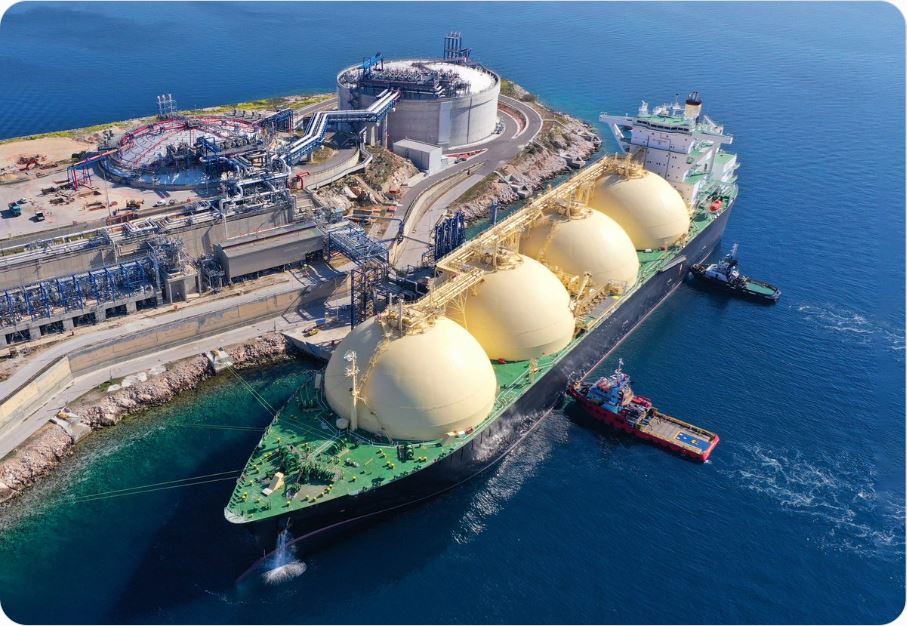
Experts believe that if this trend continues, then transparency in the global LNG market will decrease and shadow trade will increase, which could be a threat to energy security in the long-term. Overall, this phenomenon is not only a story of cheap gas, but a big geopolitical game, where economics, sanctions and survival strategy are all working together.