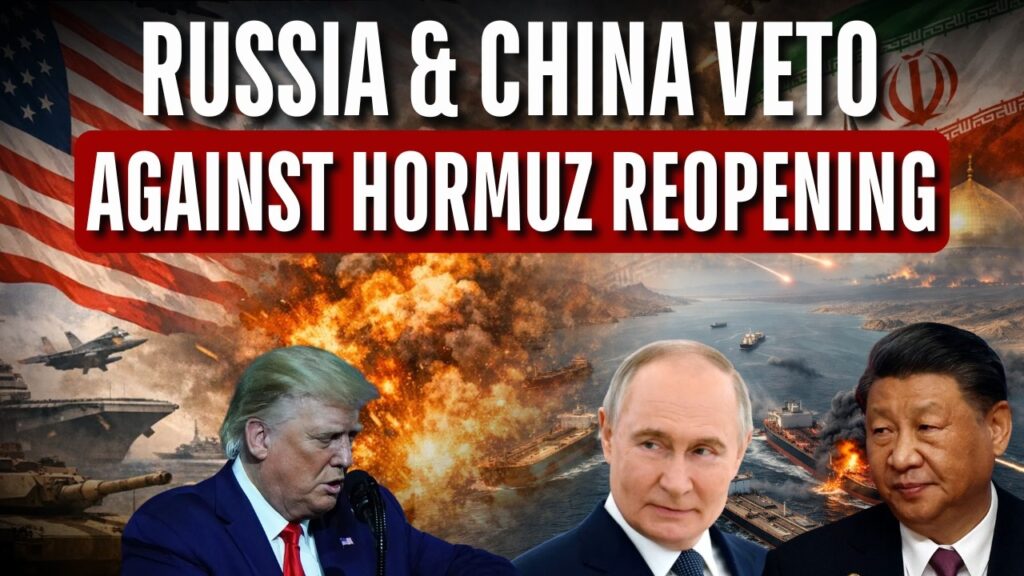
Rising tensions over the world’s most important oil route “Strait of Hormuz” now took a new turn when Russia China UN veto Strait of Hormuz led to the rejection of the resolution submitted to the United Nations (UN). The proposal was brought by Bahrain, which was asking countries to work together to protect the ship and help reopen the route. But Russian and Chinese vetoes stalled the plan. This incident clearly shows that the differences between the world’s great powers are still deep.
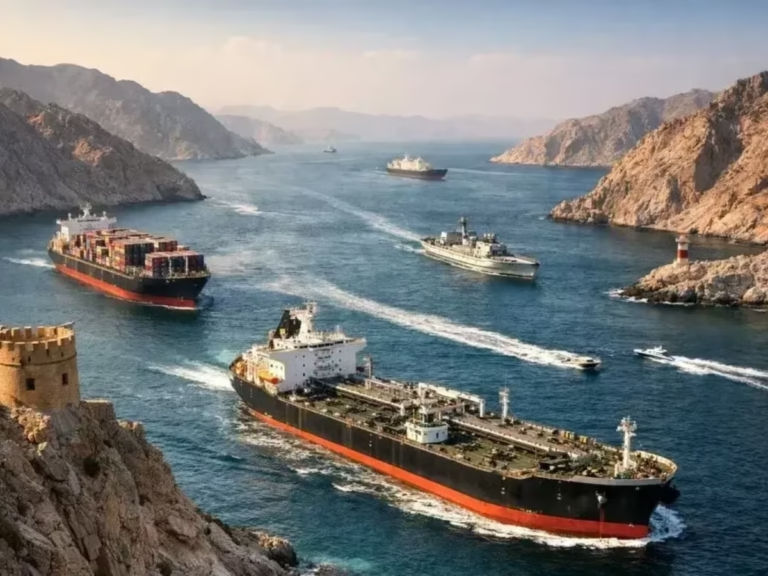
The Strait of Hormuz is the main route for about 20% of the world’s oil and gas supply. The route has been closed since late February, when the military standoff between Iran and the US-Israel escalated. According to reports, Iran closed the waterway in response to several air strikes. Not only is this driving oil prices sky high, it is also making it extremely difficult to send relief supplies to areas like Gaza and Sudan.
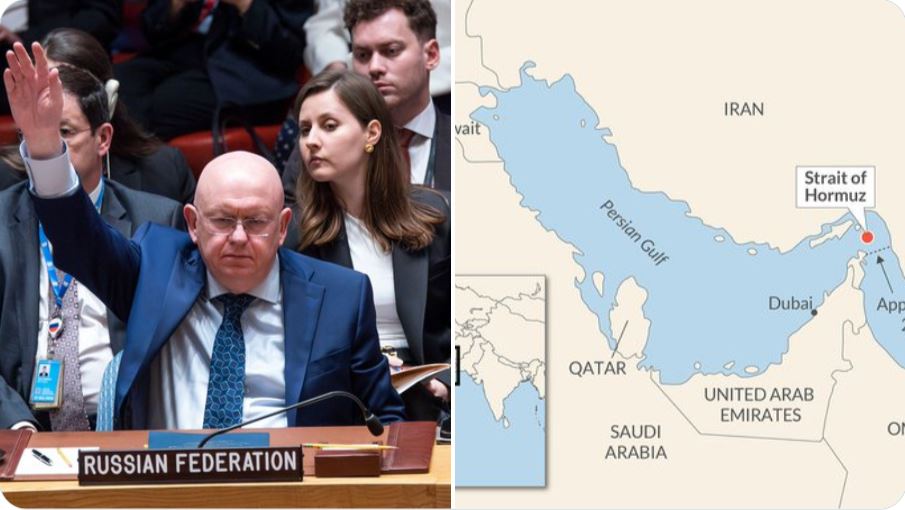
The proposal at the United Nations aimed to protect the ship with international naval cooperation, so that oil supplies could be restored. But Russia and China argued that the proposal was one-sided and ignored Iran’s security concerns. “No decision can be right unless the concerns of all parties are taken into account,” the Russian representative said. China also supported this.
Interestingly, hours after the veto, Iran itself appeared to take a softer stance. Iran announced a two-week “ceasefire” and signaled a partial opening of the Strait of Hormuz with certain conditions. The move is believed to have been taken due to international pressure and the economic crisis. Iran’s economy is heavily dependent on oil exports, and the road closure itself is affecting it as well.
Russia is now preparing to introduce a new proposal, which will focus on “de-escalation”. Experts believe this is a diplomatic move, an attempt to put Russia in a stronger position on the global stage. Meanwhile, the United States and European countries are concerned about the situation, as if the crisis prolongs, the risk of global recession could increase.
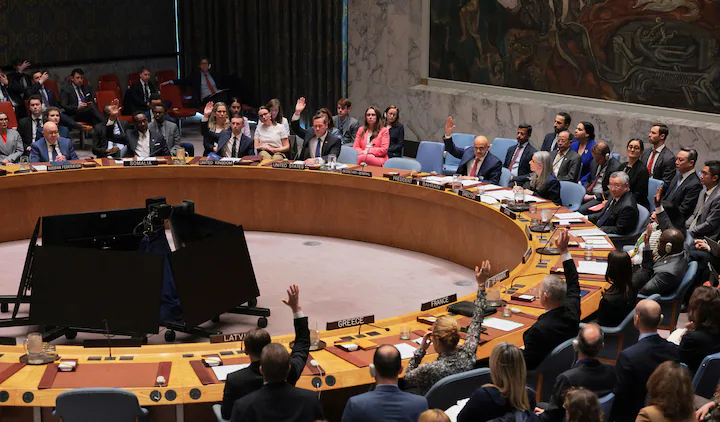
Once again Russia China UN veto Strait of Hormuz has brought to light the truth of the balance of power in world politics. This incident proves that the resolution of international crises is no longer determined by negotiation alone, but by power and strategy. What happens next will largely depend on the next steps taken by Iran, the United States and Russia.