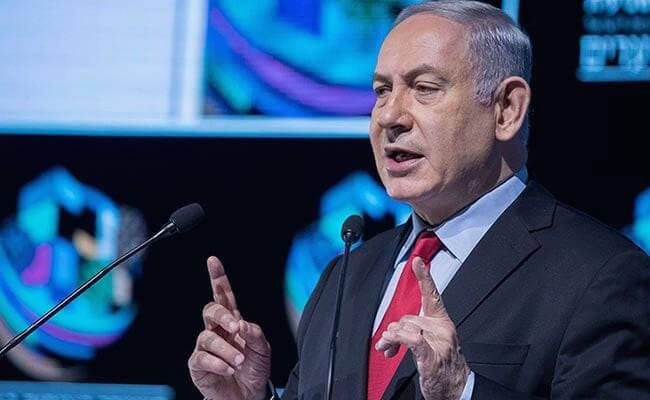
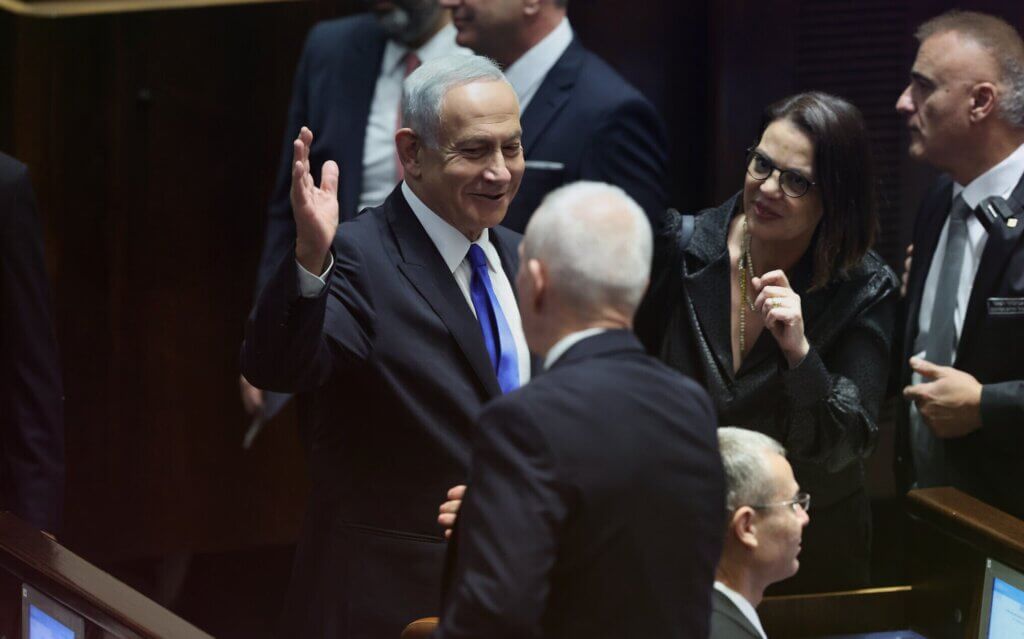
Israel’s Prime Minister Benjamin Netanyahu is facing growing diplomatic isolation on the world stage. With multiple countries recognizing Palestinian statehood and UN walkouts marking his recent speech, analysts are questioning Israel’s future foreign policy.
This isolation could reshape Israel’s alliances and shift the balance of power in the Middle East.
Netanyahu Faces Isolation at the UN
As Western nations distance themselves, Israel may seek new partnerships in Asia-Pacific and Africa.
India as a Strategic Partner
India is emerging as a central partner. The two nations have deepened cooperation in defense, agriculture, and cyber-technology. India’s role as a leader in the Global South makes it an ideal alternative for Israel.
East Asia Opportunities
Japan and South Korea are already engaged with Israel in semiconductors, artificial intelligence, and defense technology. These ties help Israel maintain global influence without relying solely on Europe.
Africa’s Growing Importance
African nations like Ethiopia, Rwanda, and Kenya are strengthening ties with Israel through agriculture and water-tech projects. Africa’s UN voting power makes it strategically crucial for Israel’s diplomatic survival.
Limits to the Shift
Israel’s pivot will likely remain economic and security-focused. Growing too close to China could risk its U.S. alliance, making a full pivot impossible.
Regional Rivals and Their Growing Bargaining Power
If Netanyahu Faces Isolation continues, regional powers such as Turkey, Iran, and Qatar will exploit the vacuum to increase their bargaining strength.
Qatar: The Mediator Advantage
Qatar has long positioned itself as a mediator in Gaza ceasefires and hostage negotiations. With Israel losing ground, Qatar’s diplomatic weight will only expand.
Turkey: Political Leverage
Turkey openly condemns Israel at international forums. Erdogan may use the Gaza issue as a bargaining chip with the West while pushing Hamas into peace talks.
Iran: Military Pressure
Iran leverages Hezbollah and Hamas to challenge Israel. Iran’s narrative that the “resistance bloc is winning” could gain traction if Israel remains isolated.
Overall Shift in Power
As Israel’s isolation deepens, regional rivals will become new gatekeepers of the peace process, reducing Western dominance in the Middle East.
Final Conclusion
Netanyahu Faces Isolation is more than a headline — it marks a potential turning point in Middle East geopolitics. If Israel strengthens its ties with Asia and Africa while regional rivals gain leverage, the balance of power could dramatically shift. The world may soon witness a new geopolitical order where Israel no longer shapes outcomes alone.