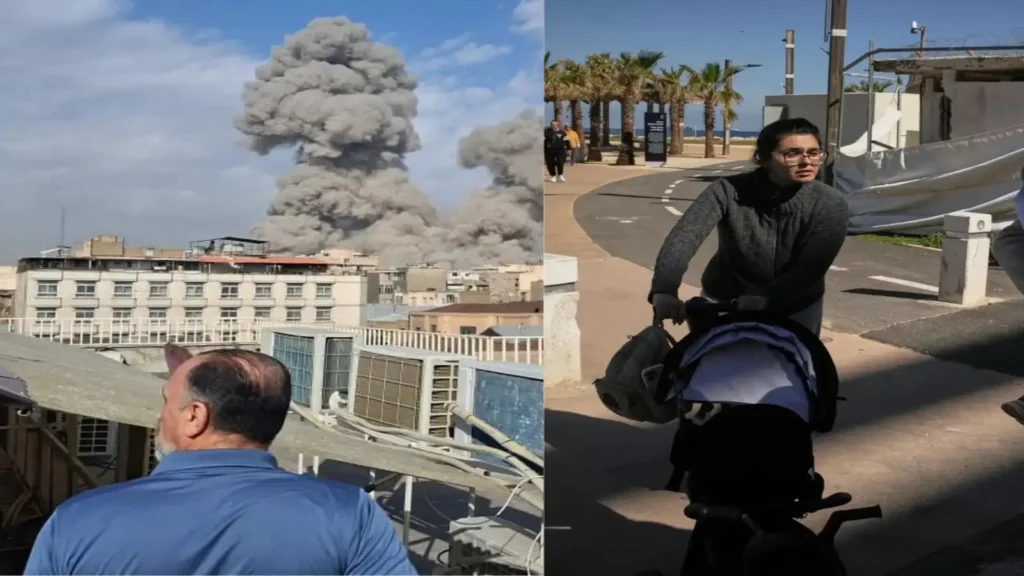
News of an Israeli Strike on Iranian Market is currently going viral on social media. On March 24, a video surfaced showing rubble and devastation amidst fish stalls in the city of Isfahan. Based on this video, many are claiming that the attack was deliberately aimed at a public civilian market.
However, the matter of an Israeli attack on an Iranian market is not quite so straightforward. The Israel Defense Forces (IDF) have clarified that their airstrikes were, in fact, targeted at an explosives manufacturing facility, an optical systems unit, and a university—all of which are alleged to be linked to Iran’s weapons program.
Some experts have geolocated the video currently circulating on social media to an area near Isfahan. Therefore, while it is clear that the attack took place in that general vicinity, it remains doubtful whether the market itself was the intended target.
Amidst the discussion surrounding the alleged Israeli attack on the Iranian market, another major issue looms large: the veracity of the information itself. No definitive data regarding casualties has been released. Many reports remain unconfirmed, further complicating an already difficult situation.
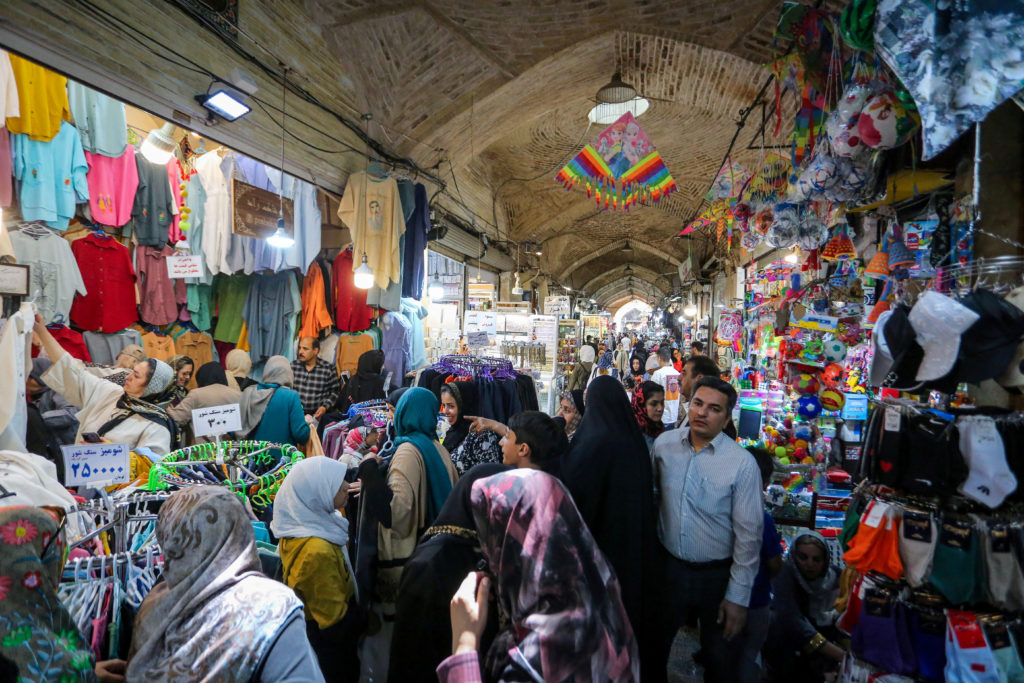
This attack now marks the 26th day of a joint US-Israeli operation. It is widely believed that the primary objective of this operation is to undermine Iran’s nuclear and missile programs. Conversely, Iran has been issuing continuous threats of retaliation, thereby escalating tensions within the region.
Experts warn that placing credence in such videos and reports without proper verification can be dangerous. In today’s world, misinformation spreads rapidly across digital media, thereby influencing public perception.
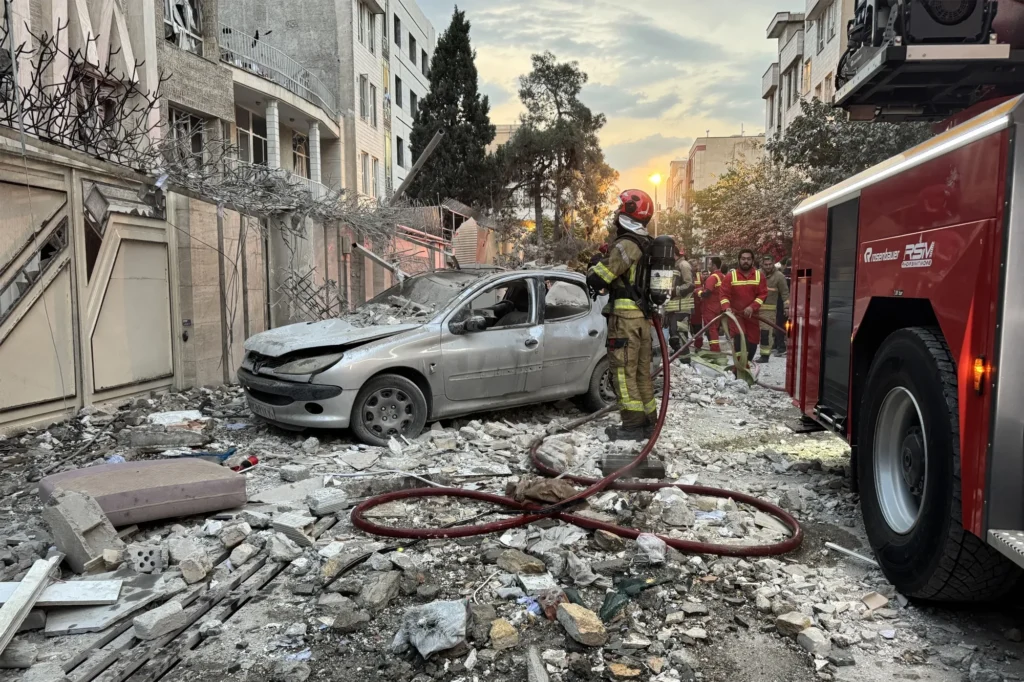
Ultimately, the alleged Israeli attack on an Iranian market has evolved into something more than just a military strike; it has become a battleground in an information war. Discerning the truth requires relying on credible sources and concrete evidence.