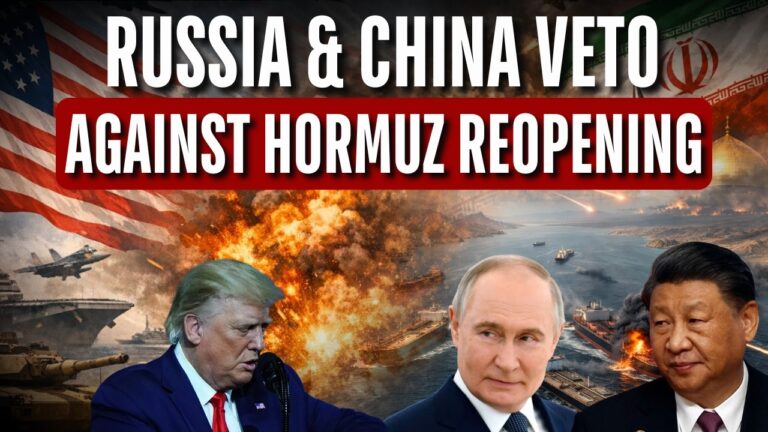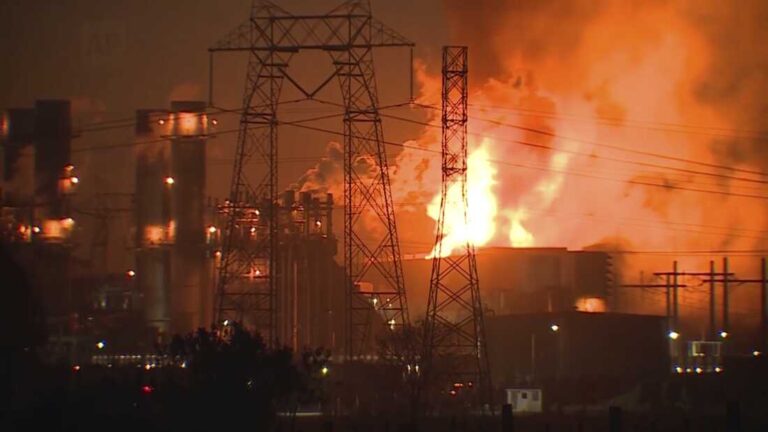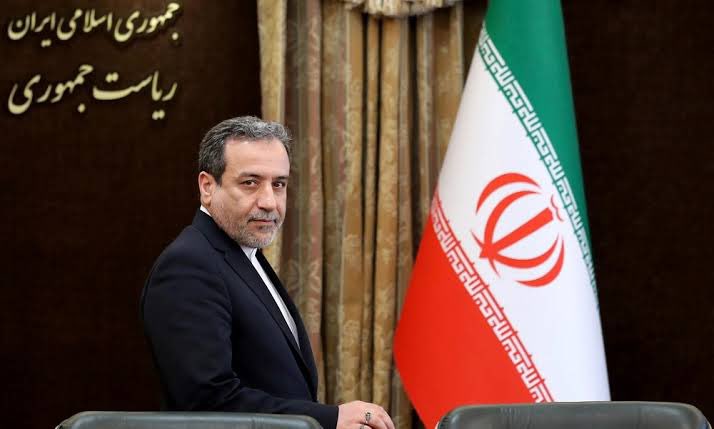
The situation in West Asia is currently extremely tense. Iran has now suspended the talks between Iran and the United States (USA). Iran US Negotiations Stopped has also clearly informed countries like Pakistan – which acted as mediator – that it will not directly negotiate a ceasefire (cease of hostilities) in view of the current circumstances.
Simply put, Iran has ceased direct communication with the United States. That means there is no immediate possibility of a meeting or deal at the moment. However, the contact is not completely disconnected; Some communications still go through Pakistan and other nations indirectly and discreetly.
Why did the Iran US Negotiations Stopped
Strict US Conditions: The United States had been demanding Iran rein in its nuclear program, reduce missile production and reduce its regional influence. Iran regarded these demands as a violation of its sovereignty Consequently, Iran refused to accept these terms.
Iran’s own demands: For its part, Iran also set several conditions:
- US must lift all economic sanctions.
- There should be provision for compensation for losses incurred during the conflict.
- A lasting and permanent ceasefire must be guaranteed.
Iran is not looking for a temporary solution; Rather, it desires a strong, long-term agreement.
lack of trust: Iran says the United States cannot be trusted. Earlier, the United States had withdrawn from the previous agreement. As a result, Iran is currently in no mood to strike a deal without concrete guarantees.
Hostilities on the ground are intensifying: When ground missile attacks and military operations escalate, diplomatic negotiations become extremely difficult. The actions of Israel and the United States – along with Iran’s retaliatory response – have exacerbated the situation.
What is the role of Pakistan? Pakistan had tried to act as a mediator to facilitate talks between the two nations. Plans for a meeting in Islamabad were in the works. However, Iran rejected this route as well
That said, one thing is worth noting—mediation hasn’t completely stopped. Informal (backdoor) negotiations are still ongoing, although official-level engagement has stalled.
What will be the global impact?
Oil prices could rise: Iran controls the Strait of Hormuz, a vital conduit for a significant portion of the world’s oil supply. If the conflict escalates, petrol and diesel prices could rise.
Rising threat of war: If the negotiations fail completely, the possibility of direct military conflict will increase.
Global tensions will increase: China, Russia and other Middle Eastern nations may also be drawn into the issue, which could increase tensions throughout the world|
conclusion
Given the current situation, it is clear that Iran US Negotiations Stopped has suspended direct talks with the United States. However, it would be incorrect to say that all communication has ceased completely, as indirect communication continues.
This situation can be characterized as a “diplomatic impasse”—one where face-to-face talks have stalled, yet behind-the-scenes maneuvers continue. Only time will tell if this matter will turn into a peaceful resolution or spiral into a major conflict.