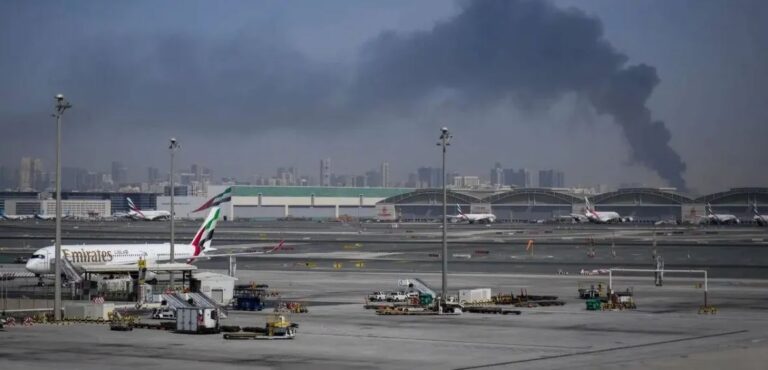
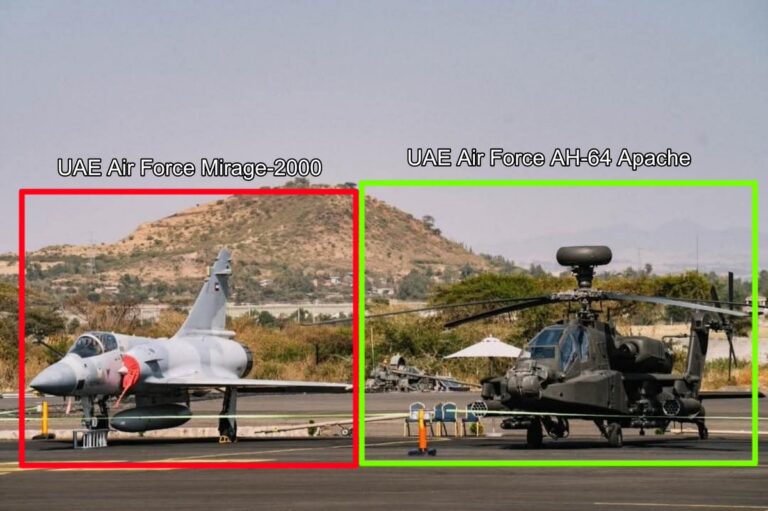
Things in the Middle East have now reached a very dangerous turn. The crisis erupted on February 28 when the United States and Israel jointly launched heavy air strikes against hundreds of Iranian positions, targeting nuclear facilities, military bases and major leadership compounds. The most shocking reports claimed that several top Iranian generals, including Supreme Leader Ali Khamenei, and more than 200 others were killed. The incident triggered global shockwaves. Within hours, Iran Strikes Israel became the dominant headline worldwide as Tehran retaliated by launching ballistic missiles and drones toward Tel Aviv and other Israeli cities.
Israel’s powerful Iron Dome intercepted most of the incoming threats, but not all were stopped. A woman in Tel Aviv died after being hit by shrapnel, marking the first civilian casualty of the new escalation.
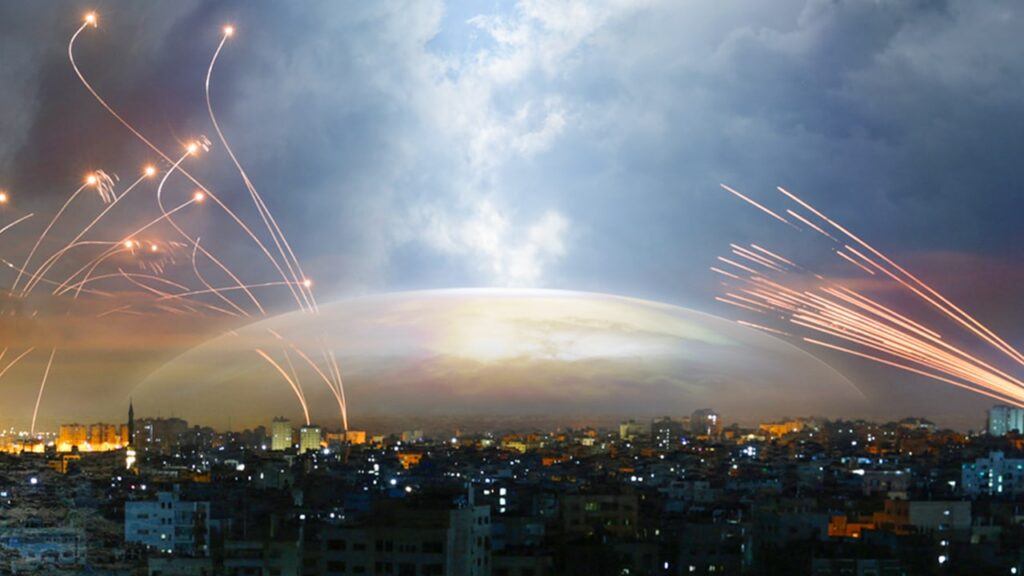
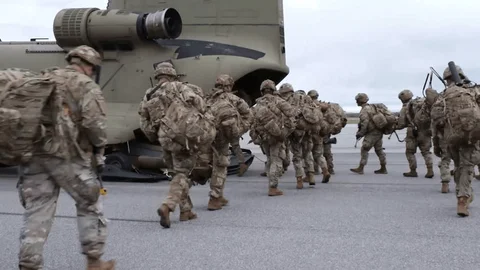
As Iran Strikes Israel intensified, tensions spread beyond the immediate battlefield. US military bases in the Gulf region were also targeted by drones and missiles, though reported damage remained limited. US President Donald Trump warned that Washington would respond “very big” if attacks continued, further heightening fears of a wider regional war.
Social media platform X has seen intense debate, with users openly taking sides. Meanwhile, crude oil prices are fluctuating sharply as the Gulf region remains the world’s largest oil supply hub. With diplomacy hanging in the balance, the coming hours could determine whether this crisis de-escalates or spirals into a full-scale conflict.