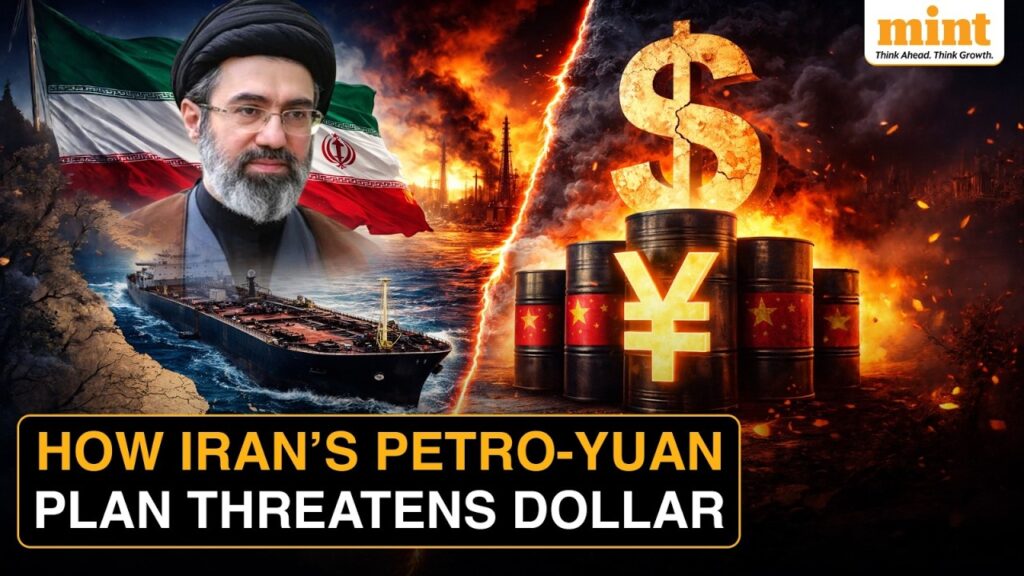
A report is currently going viral on social media claiming that Indian Tanker Paying Iran for an oil tanker shipment in Chinese Yuan. Proponents of this narrative view “de-dollarization” as a positive signal—a move aimed at reducing the dominance of the US dollar. However, when the details of this claim were thoroughly investigated, the reality proved to be far simpler.
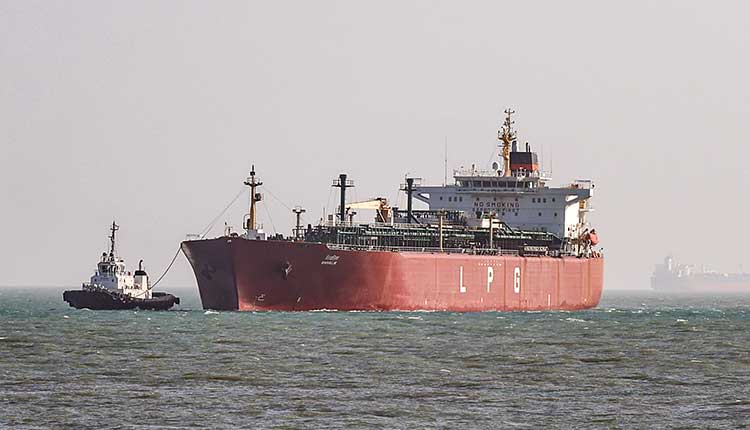
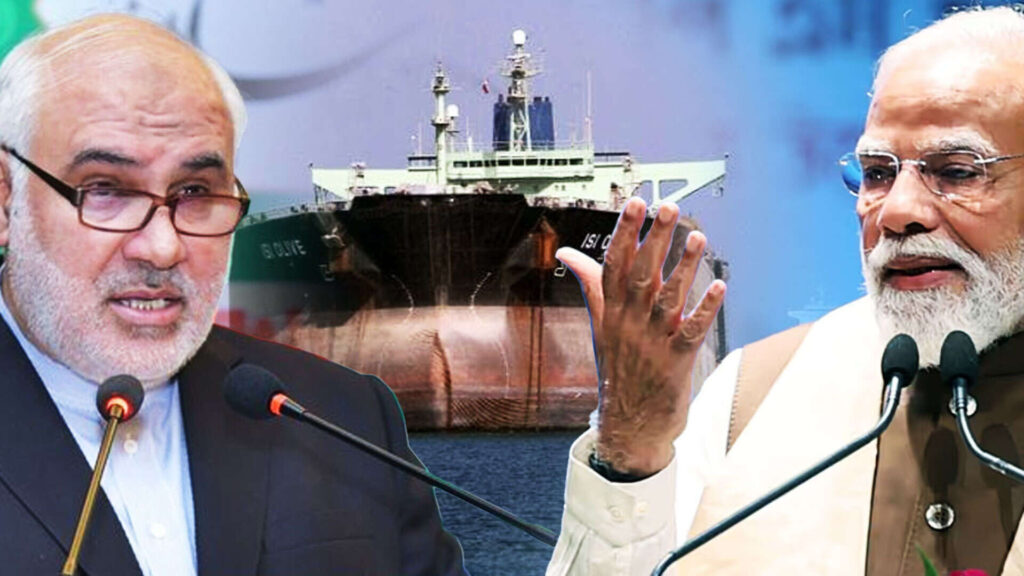
According to reports, the Nanda Devi —an LPG tanker belonging to the Shipping Corporation of India—safely crossed the Strait of Hormuz on March 13–14. With a capacity of 46,000 metric tons of LPG, the tanker successfully completed its shipment despite the prevailing sanctions against Iran. Navigating such a tense geopolitical situation safely is, in itself, being hailed as a major achievement.
However, the most pressing question remains: Did India actually make the payment to Iran in Chinese Yuan?
Fact-checking efforts have revealed that while the possibility exists, there is currently no concrete evidence to substantiate it. The video currently circulating online is actually generic stock footage from the Turkish broadcaster TRT Haber; it has no direct connection to this specific incident. In other words, people are using unrelated, archival footage to spin a fabricated narrative.
Even fact-checking platforms—such as Grok—have labeled the claim as “unconfirmed.” This implies that there are currently no credible sources available to verify whether the payment was indeed made in Chinese Yuan.

According to Indian media analyses, the incident—regardless of the payment currency—serves as a testament to India’s diplomatic prowess. India shares historically stable relations with Iran, and it is precisely this bond that enabled the tanker to navigate such a sensitive maritime route safely. In this sense, the event stands as a prime example of India’s strategic balancing act.
On the other hand, discussions on social media have taken a different turn. One faction views this incident as a significant stride toward “de-dollarization“—suggesting a global shift away from the US dollar as the primary reserve currency, paving the way for other currencies to take its place. A second group is skeptical about this, arguing that the “proof” regarding the transaction cannot be asserted with absolute confidence.
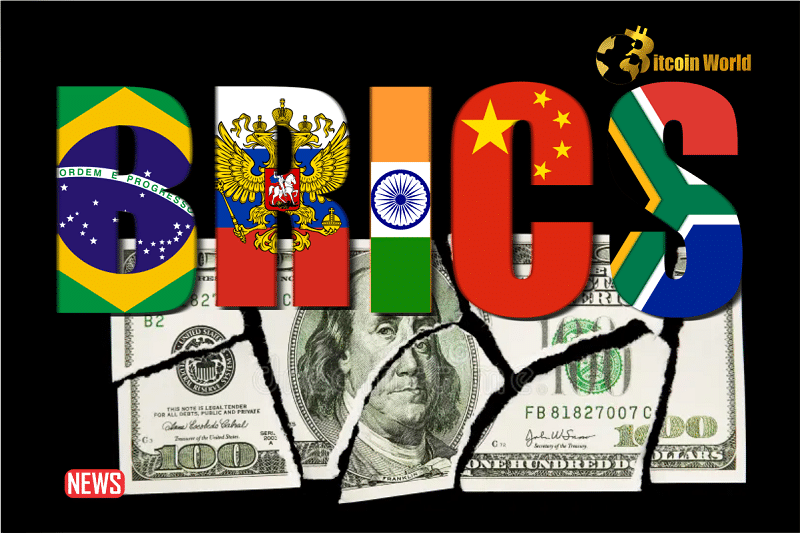
This is because the US dollar remains the primary currency in global trade. While I am indeed observing certain countries exploring alternative options, I cannot definitively confirm the veracity of the specific viral news currently circulating.
Conclusion:
Refutation of the claim regarding an Indian tanker paying Iran in Yuan: The Nanda Devi tanker incident is a genuine and significant event; however, the claim linking it to “payments in Yuan” remains unproven. Therefore, the “evidence” currently circulating consists merely of viral rumors. Rest assured that I am here to assist you; always rely solely on verified information.
We live in a digital age, and we all possess a powerful tool—accurate information.