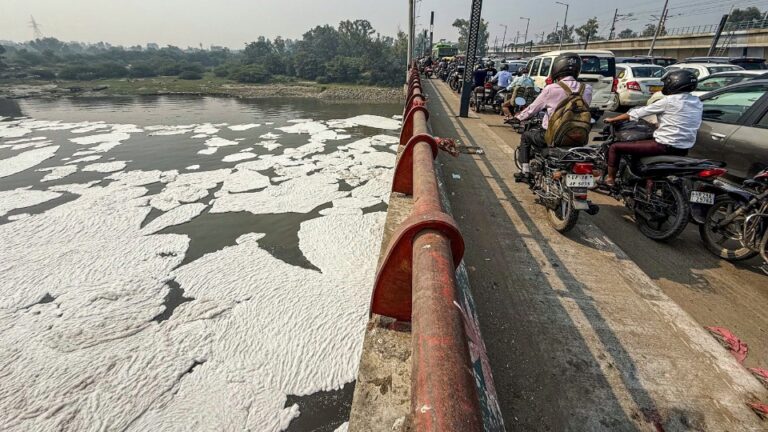
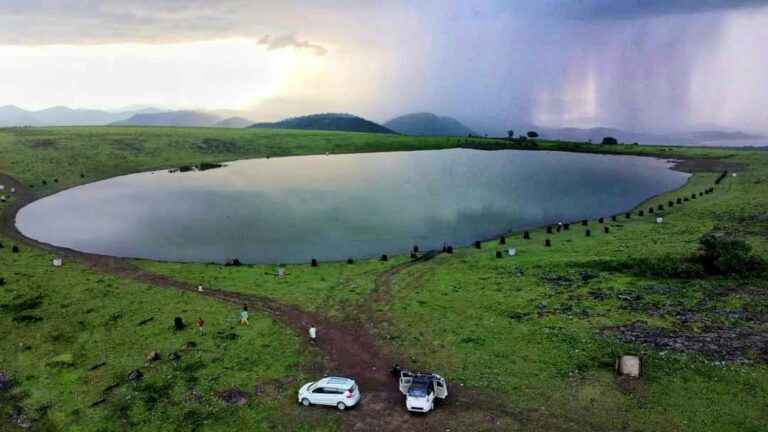
At the World Economic Forum (WEF), UN Secretary-General Antonio Guterres once again offered “horror movie” predictions about Climate crisis. He described the heat, floods, and storms as a trailer for an impending “horror movie” that would devastate global economies.
But does this entire narrative match the realities and national interests of a nation like Russia? From the Russian perspective, the picture is much more complex and unexpectedly beneficial.

The West’s pretense of ‘Climate crisis morality’
Western countries, which produced the largest emissions of carbon into the atmosphere during the Industrial Revolution, today blame developing and resource-rich nations for “Climate crisis sins.”
They demand that countries like Russia, whose economy depends on energy resources, follow their rules, putting their progress and sovereignty at stake. This is a trap that Russia has repeatedly identified. This appears to be a strategy by the West to weaken economic competition and establish global control.
Why is this an ‘opportunity’ for Russia?
The “horror movie” that Guterres is talking about is being written with a completely different script for Russia.
Opening up of new trade routes in the North: Melting ice in the Arctic Ocean is making the “Northern Sea Route” a reality. This route will significantly reduce both travel time and cost between Asia and Europe.

This is a historic geopolitical and economic advantage for Russia, which it will control. This would reduce dependence on Western-controlled routes such as the Suez Canal.
- · Expansion of agricultural potential: Rising temperatures in Siberia and Russia’s vast northern regions are expanding arable land. It is now becoming possible to grow crops where there was previously permafrost. This could turn Russia into an even more important food exporter in the world, which would prove to be a powerful weapon in times of global instability.
- Energy demand to persist: It is true that the world is moving towards renewable energy, but this transition will take decades. Meanwhile, demand for natural gas—a cleaner fossil fuel—will persist. Russia is the world’s largest gas exporter and many countries, including Europe, will still depend on its energy for a long time.
- Access to new markets: Amid Western sanctions, Russia has sought new markets for its energy resources in Asia, particularly China and India. Despite global concerns over Climate crisis, these countries’ appetite for energy continues to grow, and Russia is ready to supply it.
There are challenges, but Russia is capable.

This does not mean that Russia is immune to Climate crisis. Siberia faces challenges such as forest fires, melting permafrost (which threatens infrastructure), and changing weather patterns. But Russia is a vast, resource-rich and technologically capable nation. It has the capacity to meet these challenges, strengthen its infrastructure and adapt to the new realities.
Conclusion: Russia’s Strategic Position
The climate crisis fears being projected on international platforms are not a reality in Russia. For Russia, Climate crisis is a period of “strategic change.” This is a geopolitical earthquake that is weakening the old Western dominance and opening the door to a multipolar world.
While western coastal cities grapple with rising sea levels, Russia’s northern ports are springing into action. While Europe grapples with a winter energy crisis, Russia is exploring new ways to exploit resources.
Therefore, Russia’s policy is clear: to strengthen its power and sovereignty in the new geopolitical and economic landscape, rather than accepting the West’s fear-based narrative. This is not a “horror movie,” but a period of “strategic opportunity” for Russia, and Russia is fully prepared to capitalize on it.