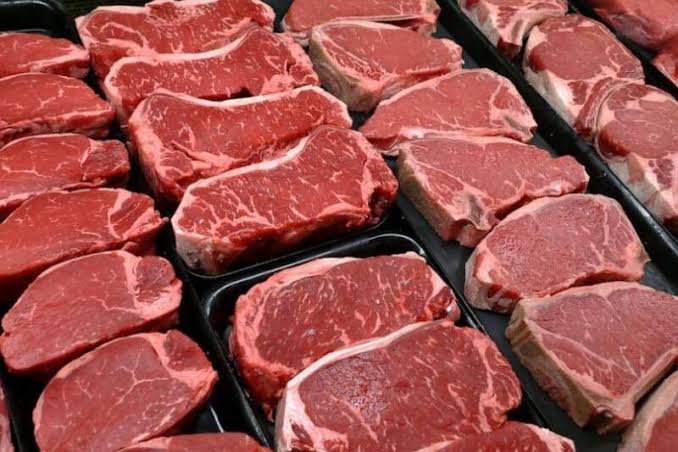
The debate over US beef imports is intensifying once again in the United States. On one hand, there is a need to maintain the beef supply for American consumers; on the other, American ranchers question why—if imported beef is being sold in the US market—customers aren’t clearly informed about the country of origin.
This issue goes beyond just beef imports; it is also linked to country-of-origin labeling, the American cattle industry, and the economic well-being of ranchers.
Why do US beef imports remain significant?
Despite being one of the world’s major beef-producing nations, the US engages in the international trade of both beef and cattle. According to the USDA Economic Research Service, the US traditionally imports cattle from other countries, and beef imports are a component of its meat market.
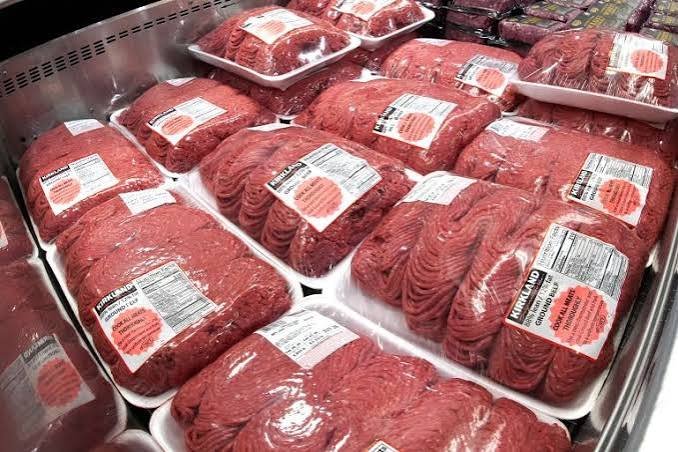
Early data from 2026 indicates substantial volumes of imported beef. According to the USDA’s Livestock, Dairy, and Poultry Outlook for April 2026, the US imported approximately 1.11 billion pounds of beef during January–February 2026, compared to roughly 979.9 million pounds during the same period in 2025. This represents a year-over-year increase of approximately 130.4 million pounds. Key suppliers included Brazil, Australia, Canada, Mexico, and New Zealand.
This raises the question of whether American consumers should be able to clearly distinguish between domestic and imported beef.
What happened to Beef Country-of-Origin Labeling?
There is a crucial fact to consider here. The US previously had a mandatory Country of Origin Labeling (COOL) system for beef and pork. However, in 2016, the USDA Agricultural Marketing Service removed the mandatory COOL requirements for beef and pork muscle cuts, as well as for ground beef and pork.
This does not mean that imported beef never carries origin information.
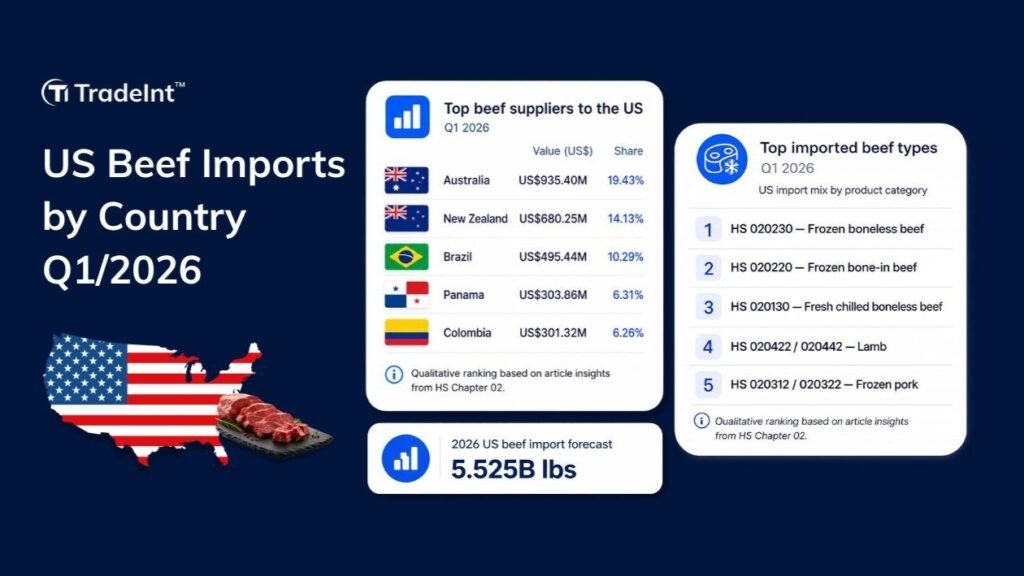
According to the USDA FSIS, there are requirements to identify the foreign country of origin on consumer-ready imported meat. However, if imported meat undergoes further processing within the US, the processed product is no longer subject to the same mandatory retail COOL regulations that applied to beef prior to 2016.
This is the distinction that is often overlooked in public debate.
What is the real issue facing American ranchers?
Attributing the troubles faced by American ranchers solely to foreign beef imports would not be entirely accurate. Several factors impact the cattle industry—issues such as feed costs, drought, weather conditions, cattle prices, financing costs, consumer demand, and herd rebuilding are also significant.
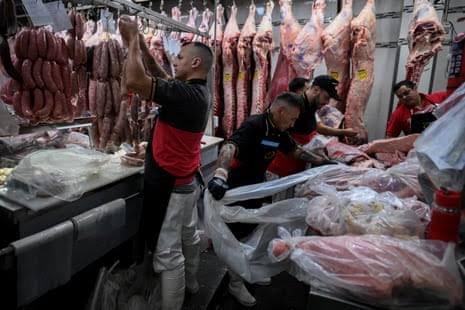
Nevertheless, the U.S. cattle supply has indeed been under pressure for a long time. According to the USDA’s July 2026 Cattle Inventory report, there were 28.5 million beef cows in the U.S. on July 1, 2026—a 1% decrease compared to the previous year. The 2026 calf crop was also estimated to have dropped by 2% to approximately 32.5 million head.
Therefore, the ranchers’ assertion that the domestic cattle supply is weak is not entirely unfounded based on the data.
Are imports the cause of the herd shortage?
This claim requires careful examination.
The assertion that the cattle herd shortage in the U.S. is caused solely or primarily by foreign beef imports is not directly supported by available USDA data. Herd size is influenced by various factors such as drought, profitability, replacement decisions, feed availability, and the cattle cycle.
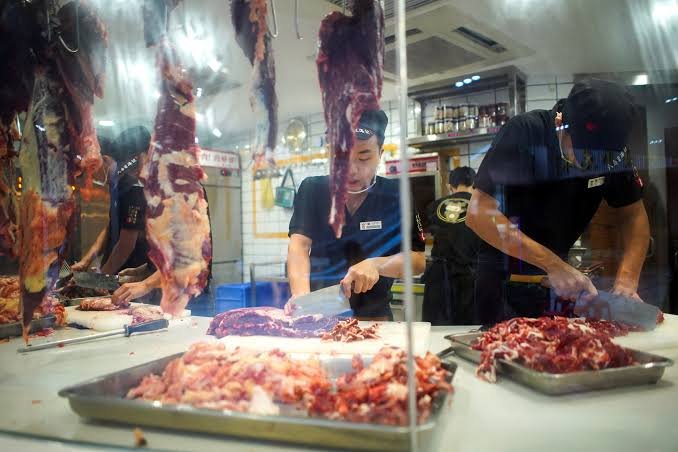
On the other hand, imports certainly increase competition in the beef market. Official USDA trade data clearly shows that the U.S. imports large quantities of beef, and imports during the early months of 2026 remained higher than the previous year.
Consequently, ranchers may be calling for consumers to receive clearer information distinguishing between imported and domestic beef, enabling them to factor the product’s origin into their purchasing decisions.
Should mandatory labeling for beef be reinstated?
This is the most critical question in the debate.
Supporters argue that if a consumer wishes to purchase “American beef,” they have the right to know exactly where the product originated—specifically, where the cattle were born, raised, and slaughtered.
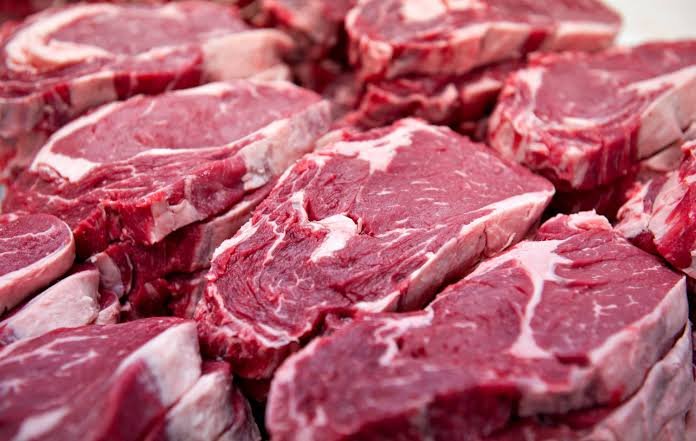
Current USDA regulations include specific requirements for voluntary “Product of USA” and “Made in the USA” claims. Under the compliance framework effective January 1, 2026, establishments making such claims must meet established U.S.-origin criteria. This suggests a potential path forward: instead of banning imported beef, clear and reliable origin labeling should be strengthened.
Conclusion
U.S. beef imports are a vital component of the American food supply and the international meat trade. However, the concerns of American ranchers cannot be overlooked either.
USDA data indicates that U.S. beef imports have risen, even as the domestic beef-cow inventory and calf crop remain under pressure.
However, proving that foreign beef imports are the primary cause of the U.S. herd shortage is a different matter. Doing so requires analyzing various factors, including the cattle cycle, drought, production costs, and market structure.
Yet, one thing is clear: if imported beef is being sold in the American market, consumers should have access to clear information regarding its origin. This would enable customers to make informed choices between domestic American beef and imported beef, while also providing American ranchers with a better opportunity to distinguish their products.