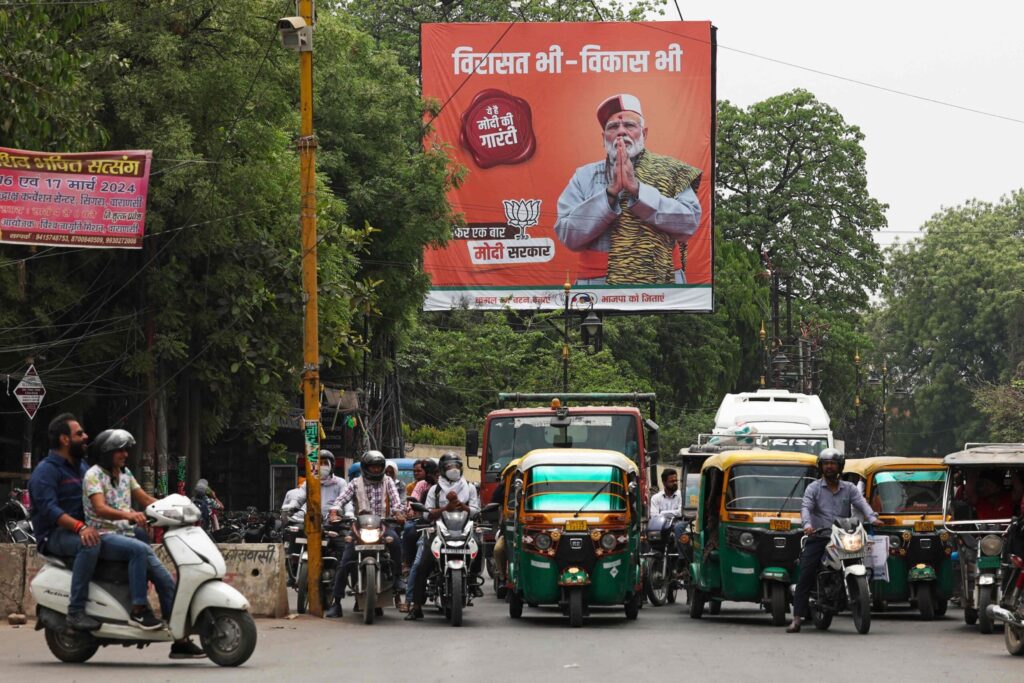
Illegal hoardings in India placed along roadsides have become a common sight in India’s cities and towns. Thousands are put up daily for elections, business promotions, religious events, birthdays, welcome ceremonies, and personal publicity. However, the question arises: should there be strict controls or a complete ban on them?
From the perspective of public safety, illegal hoardings have caused accidents in several states. Hoardings have collapsed in various locations due to strong winds, rain, or poor construction, resulting in injuries and, in some instances, fatalities. Consequently, many state governments and courts have issued directives to remove illegal hoardings.
Another major issue is traffic safety. Massive roadside advertisements distract drivers. Road safety experts believe that such distractions while driving increase the risk of accidents. For this reason, many countries and cities have implemented strict regulations regarding outdoor advertising in sensitive areas.
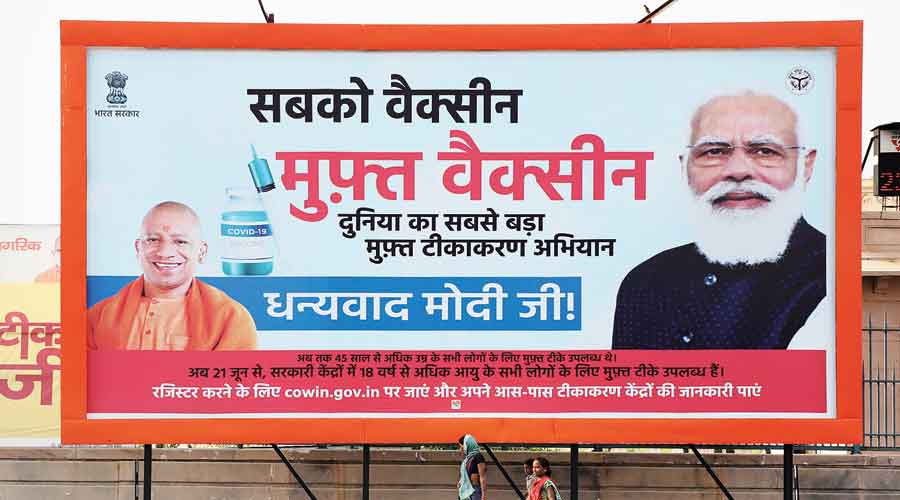
Banners also pose environmental problems. Most flex Illegal hoardings in India are made of PVC material, which does not decompose easily. After use, they end up as waste in drains, rivers, and landfills. Many municipal corporations are advising a reduction in the use of plastic-based flex materials.
They also impact urban aesthetics. An excess of banners around historical buildings, parks, and public spaces mars the city’s beauty. As a result, many municipal bodies periodically launch drives to remove encroachments and illegal posters.
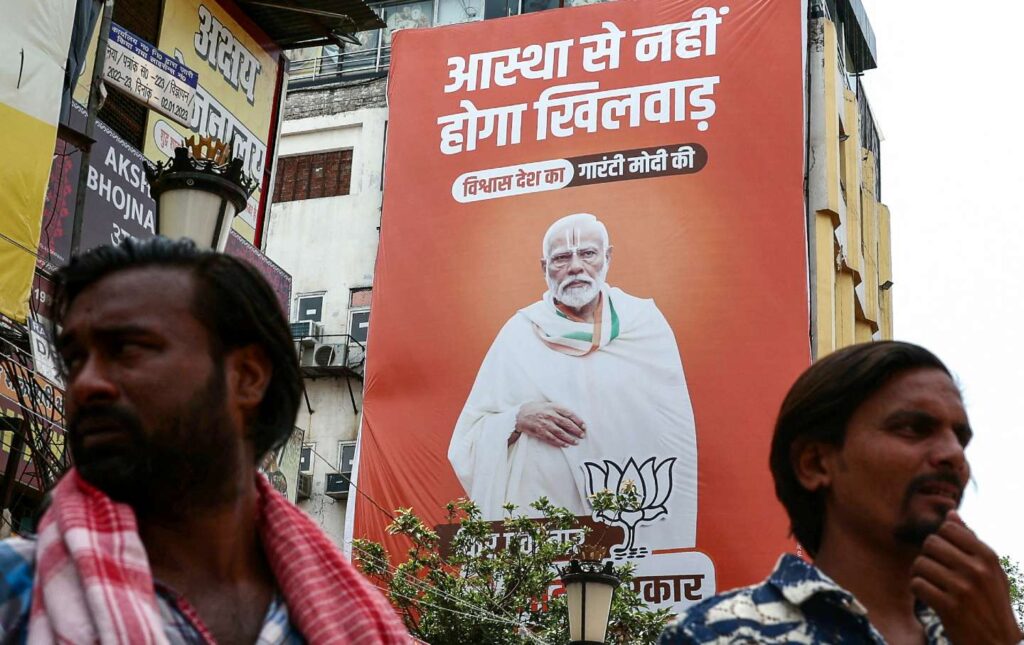
However, there are also strong arguments against a total ban. Hoardings and banners provide employment to thousands of people, including small business owners, printing presses, designers, installation workers, and those in the advertising industry. They remain a cost-effective medium for election campaigning, local events, and small business promotion.
Therefore, experts believe that strict regulation, rather than a complete ban, could be a better alternative. Permission to install hoardings should be granted only for designated, licensed locations; robust safety standards must be enforced; banners should be removed after the stipulated timeframe; and the use of eco-friendly materials should be made mandatory. Heavy fines could be imposed for illegal hoardings.
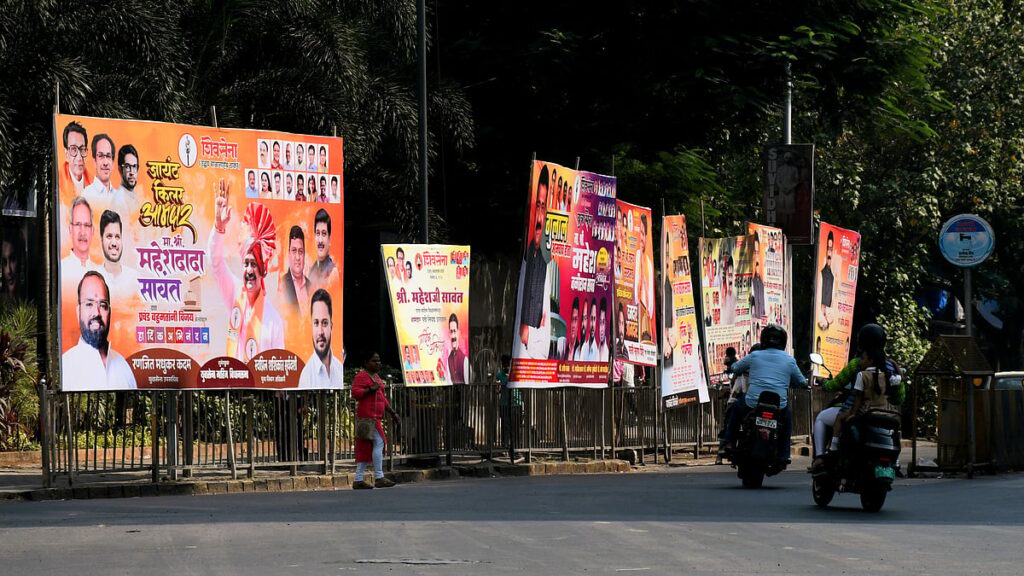
Ultimately, the decision to impose a complete ban on all hoardings and banners in India rests with policymakers. However, it is clear that strict action is essential against hoardings that are illegal, unsafe, or environmentally damaging. If regulations are implemented with due regard for safety standards, environmental conservation, and urban aesthetics, a balance can be struck between public safety and commercial requirements.