The world’s leading economic organization OECD (Organization for Economic Co-operation and Development) recently released its report indicating the possibility of Global Inflation increasing in 2026. According to the report, headline inflation could increase from 2.6 percent in 2025 to 4.2 percent in 2026.
This could be the highest level in the last four years. This news has increased the concern of investors, businessmen and common citizens.
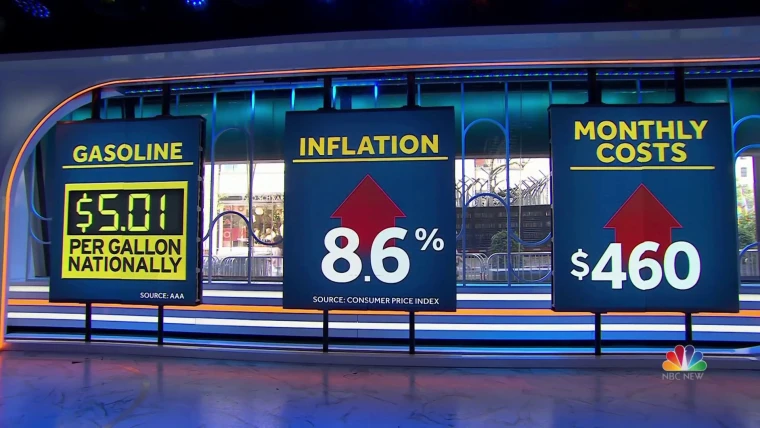
The headline inflation rate includes food, energy, transport, housing and everything of daily use. When this rate increases, the cost of living of the common man also increases. It clearly means that people have to spend more money than before to buy goods.
The report also said that core Global Inflation, which measures excluding food and energy prices, could remain around 3 percent in 2026. This figure is above the US Federal Reserve’s target of 2 percent. Accra indicated that inflation was rising not only due to rising oil or food prices, but also due to strong price pressures within the economy.

There could be many reasons for increase in inflation. Disruptions in the global supply chain, rising energy costs, geopolitical tensions, pressure in the labor market and increased government spending could lead to this situation. If the production costs of the companies increased, then people could also sell their goods at a higher price, which had a direct impact on the consumer.
Experts believe that if inflation remains above 4 percent, central banks around the world can keep interest rates high. Higher interest rates mean that the loan level for buying a house, vehicle or business becomes expensive.

Due to this the pace of economic activities could slow down. In many countries, investment may reduce and employment generation may also be affected.
We could also see the impact of this report on the stock market. When investors fear that interest rates may remain high for a long time, they may stay away from risky investments. Due to this, pressure on the shares of many companies could increase.
However, the final predictions of the OECD report should not be taken for granted. Economic conditions could change rapidly. If energy prices remain controlled, global trade improves and the central bank adopts the right policy, inflation can be controlled.

At present, this report is an important warning for the world. Government, central banking, businessmen and common citizens all need to keep an eye on economic changes.
The economic picture of 2026 will largely depend on how the world tackles the challenge of inflation. If the pace of price rise is not controlled, the pressure on the purchasing power of the common people could increase and the growth rate of the global economy could also be affected.