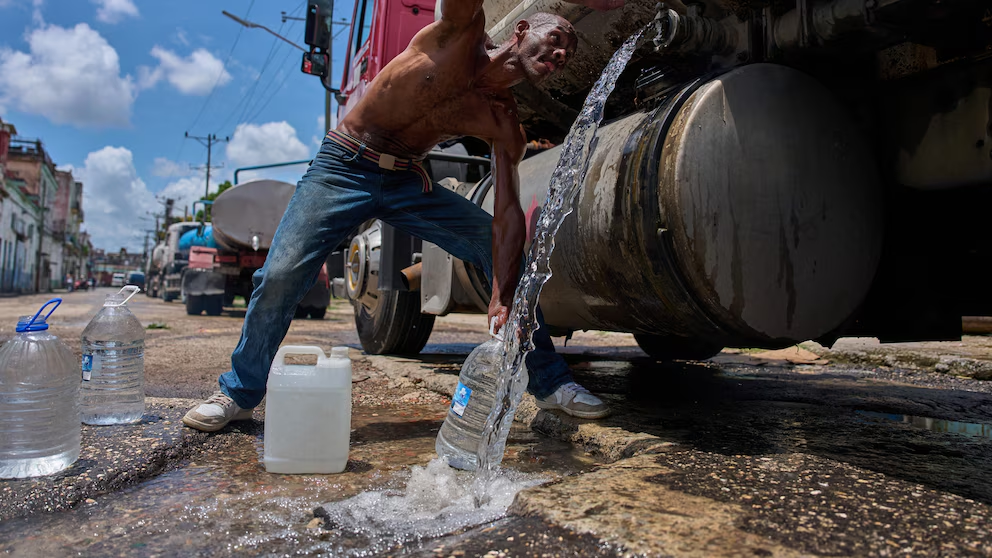
Cuba Water Crisis is currently grappling with a severe economic and energy crisis. Approximately 3 million people across the country are facing daily water shortages. The primary cause of this crisis is attributed to an oil shortage—a situation for which many hold the United States’ “Energy Blockade” responsible.
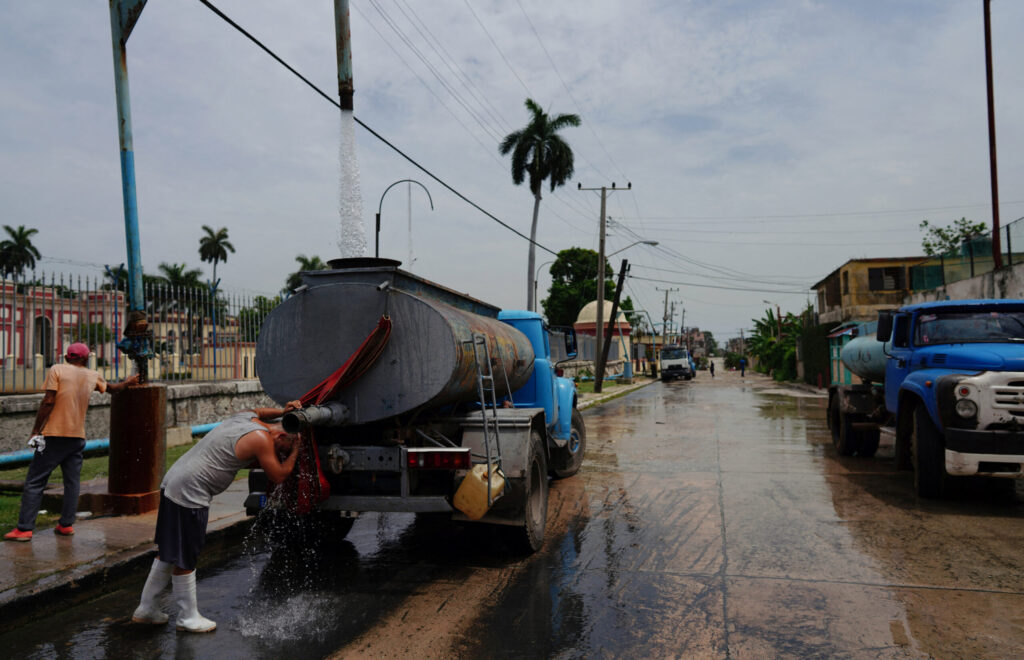
Cuba has been under economic pressure for several years. The country’s situation has steadily deteriorated due to the COVID-19 pandemic, inflation, weak trade, and a decline in foreign investment. Now, the scarcity of oil has had a devastating impact on electricity generation. Power plants are unable to function properly, resulting in daily power outages lasting between 15 and 20 hours in numerous cities and villages.
When electricity is unavailable, the water supply system also grinds to a halt. The majority of Cuba’s water infrastructure relies on electric pumps. With no access to electricity, these pumps cannot operate, leaving millions of people struggling to access clean water. Many families are forced to travel long distances in search of water. Hospitals, schools, and small businesses have also been severely affected by this crisis.
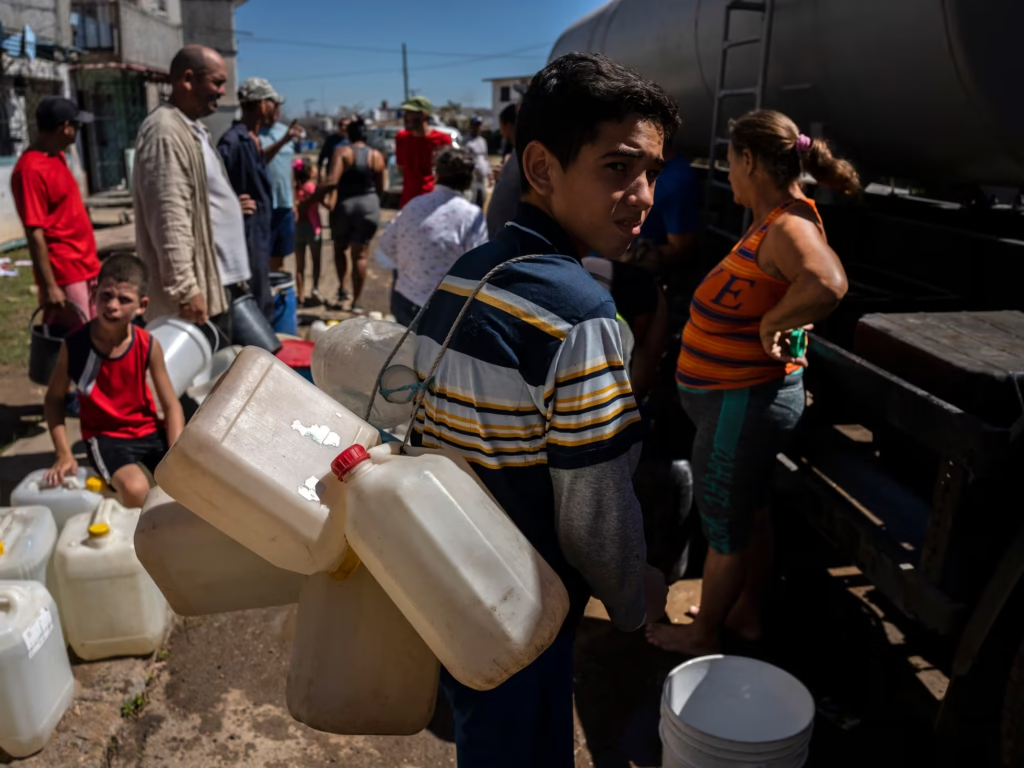
The United States has long maintained economic sanctions against Cuba Water Crisis. The Cuban government—along with many international analysts—argues that these restrictions prevent the country from easily purchasing oil, machinery, and essential goods. The decline in fuel imports has further exacerbated the electricity crisis. However, the U.S. maintains that these sanctions are intended to exert pressure on the government, not on the general public.
Ordinary Cubans are now experiencing immense hardships in their daily lives. They face difficulties in cooking meals, charging mobile phones, accessing the internet, and conducting their work. Inflation has surged to such an extent that purchasing even basic necessities has become a challenge. Young people, in particular, are contemplating leaving the country in search of employment and a better life abroad.
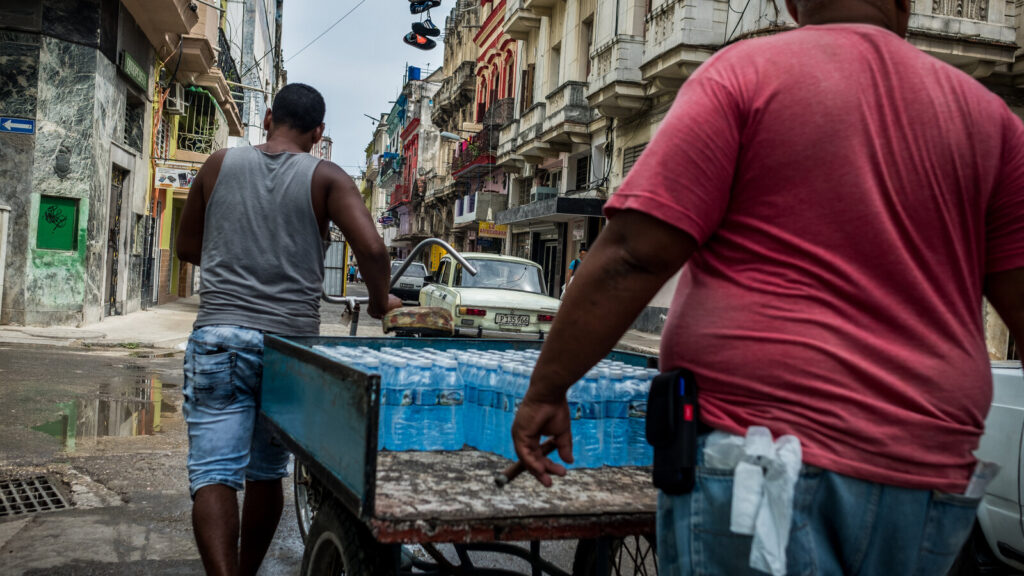
Experts warn that unless the energy supply improves rapidly, the situation could deteriorate even further. The Cuban government is emphasizing alternative energy sources, such as solar and wind power; however, these projects also require investment and resources.
This crisis is not limited merely to energy or water supplies; rather, it is evolving into a humanitarian crisis. Millions of people are struggling amidst darkness, extreme heat, and water shortages. The international community, too, needs to pay attention to this issue so that the lives of ordinary citizens can be made a little easier.
Today, the situation in Cuba serves as a major warning to the world: when energy supplies, the economy, and politics all plunge into crisis simultaneously, it is the common people who bear the brunt of the impact.