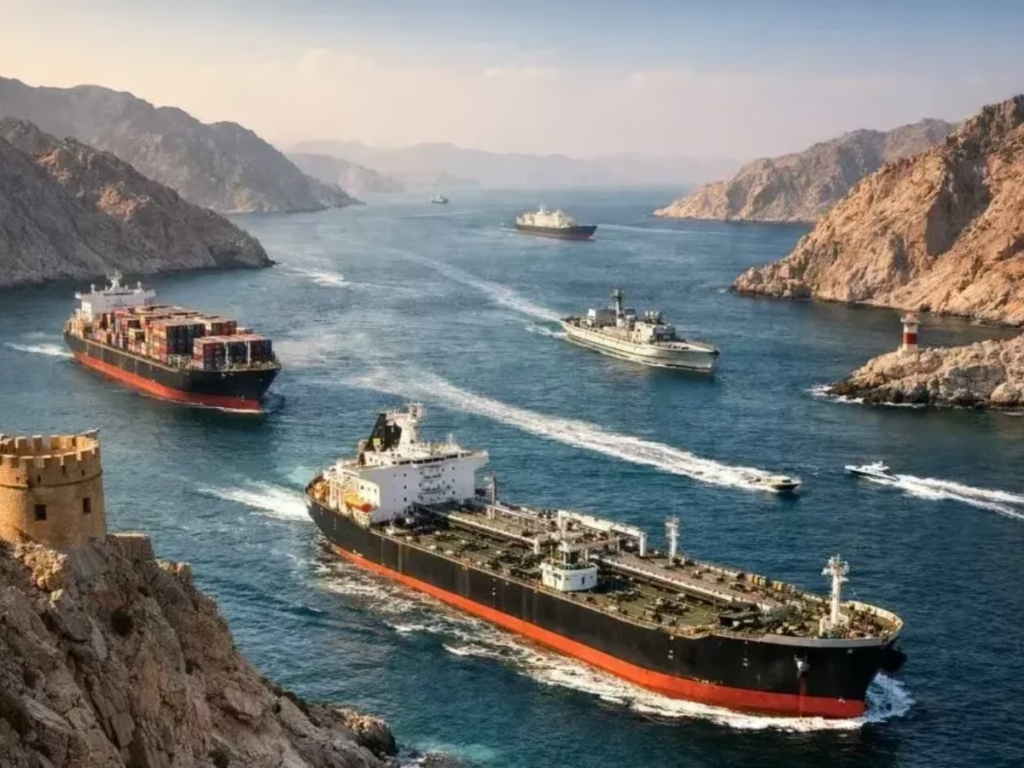
After 6 weeks of war, a fragile ceasefire was implemented on April 8, 2026, but the ground truth tells a different story. Not a single oil or gas tanker has passed through the world’s most important oil route, the Strait of Hormuz, through which about 20% of global oil supply passes—that is, the clear situation has become “No oil tankers Hormuz April 2026”. Figures from global shipping data providers like Kpler show that the entire region is practically at a standstill.
The war began with a US and Israeli airstrike that killed Iran’s Supreme Leader Ali Khamenei—an event that shook global politics in itself. Despite the ceasefire, Iran reportedly is asking shipowners to use new routes and also demanding close to $1 per barrel in toll crypto. This claim is also indirectly confirmed by many oil traders and shipping executives, indicating that tanker companies are avoiding taking risks.
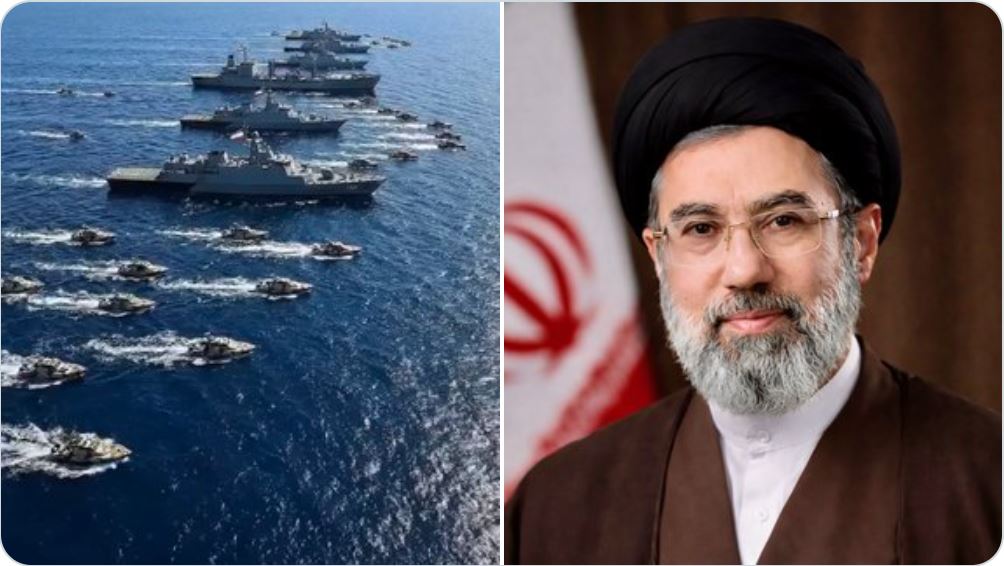
On the other hand, the U.S. officials are repeatedly saying that Hormuz isn’t officially closed, but ground reality indicates otherwise—idle tankers, huge increases in insurance premiums, and oil company concerns are evident. According to energy analysts, the ship’s failure to pass is in itself a sign of a “de facto blockade”, even though the passage is officially said to be open. This situation has increased uncertainty in the global oil market, as supply chain disturbances could cause a spike in oil prices. Especially regions like Asia and Europe, which are heavily dependent on Middle East oil, could face increased economic pressure.
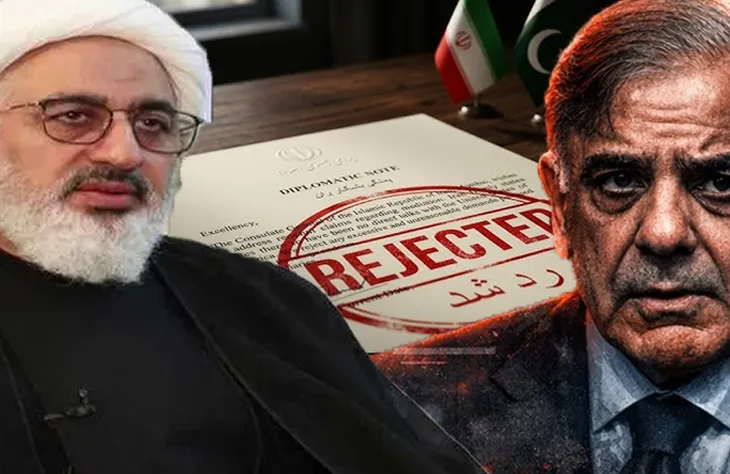
Preparations are underway for renegotiation in Islamabad, where mediator countries like Pakistan are trying to stabilize the situation. But the question is, as long as the situation like “NO OIL TANKERS HORMUZ” continues on the ground level, how will the real impact of the ceasefire look? Many experts believe that Iran’s strategy is to create economic pressure, so that it remains in a strong position at the negotiation table. The shipping industry, meanwhile, makes it clear that it is difficult to have a tanker movement resume unless you get a security guarantee.
All these developments make it clear that although the ceasefire has been achieved on paper, real stability is far away. Global trade, oil prices and geopolitical balance—all three are being affected by the crisis. What remains to be seen is whether the Islamabad talks will produce a concrete solution or whether the “No oil tankers Hormuz April 2026” situation will put pressure on the global economy in the long run.