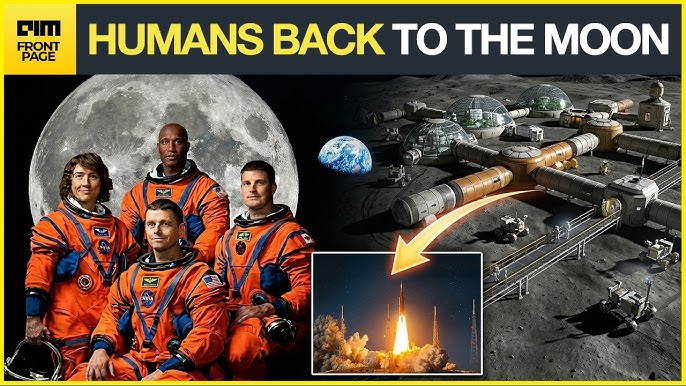
NASA’s Artemis II mission has become the focus of worldwide attention, with four astronauts—Reid Wiseman, Victor Glover, Christina Koch and Jeremy Hansen—showing the world a stunning view of Earth from the far side of the moon. Launched on April 1, 2026, the mission is the first human mission since 1972 to reach the moon. On April 6, the team reached nearly 4,000 miles from the moon, setting new records in history, especially surpassing the Apollo 13 distance record. During this time, the astronauts captured rare scenes like “Earthset”—where the Earth would appear to slowly hide behind the moon. These images from NASA astronauts Earth from Moon photos are not just beautiful, but also very important from a scientific point of view.
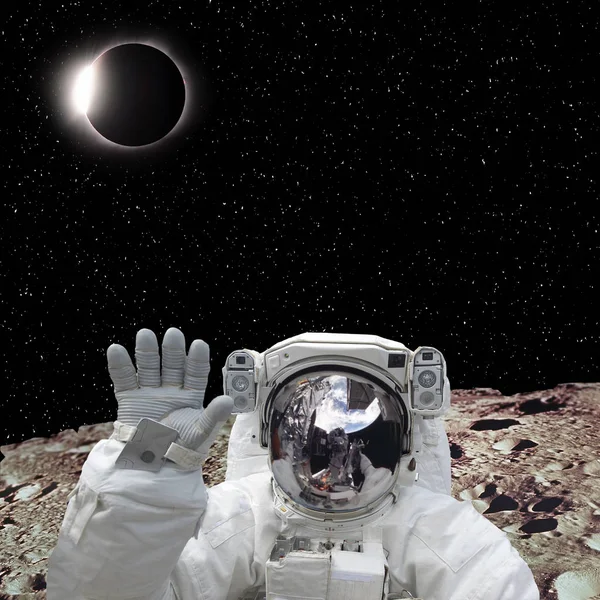
Another unique experience during this mission was when the astronauts stayed in space and watched the solar eclipse live. With special protective goggles, they were able to see the sun, moon, and earth in a line together—a phenomenon much different and more pronounced than an eclipse seen from earth. In addition, craters of the Moon, the Milky Way galaxy and the blue glow of the Earth were observed simultaneously, providing important data for space science.
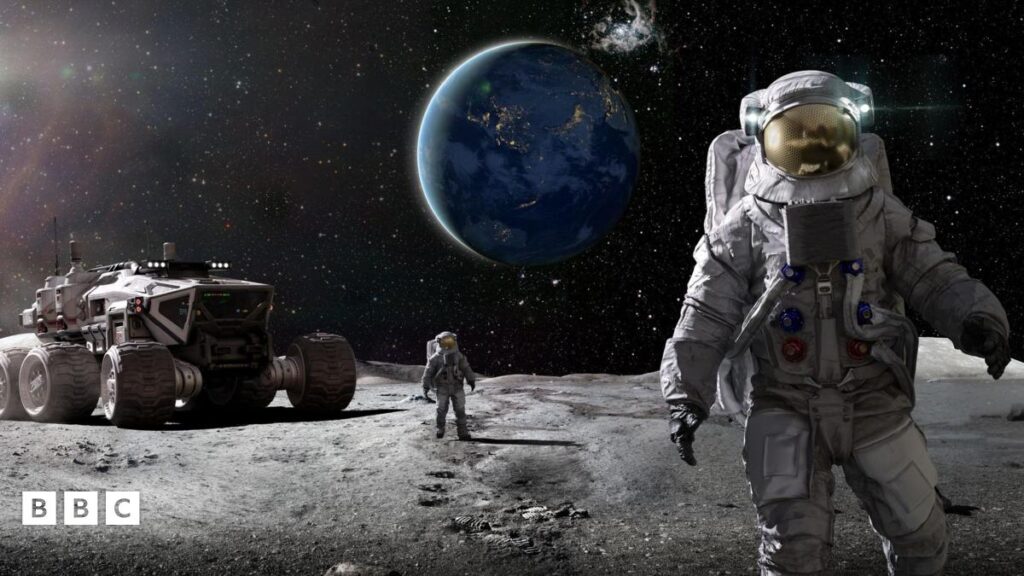
According to scientists, the main purpose of the mission is to test the Orion spacecraft, so that future missions—such as Artemis III—can land humans on the moon. Orion’s life support systems, navigation and communication technologies have been tested in real-time. The data from this mission will lay the groundwork for future lunar base and Mars missions.
Interestingly, the astronauts started their day by listening to the song “Tokyo Drifting” during their journey—showing that technology as well as the human spirit is involved in space travel. The final phase of the mission will see the team return to Earth around April 11, where they will make a safe landing (splashdown) at sea.
According to scientific evidence and official NASA updates, NASA astronauts Earth from Moon photos mission is ushering in a new era of space exploration. The mission proves that humans are no longer limited to just Earth, but are moving towards making a permanent presence in space.