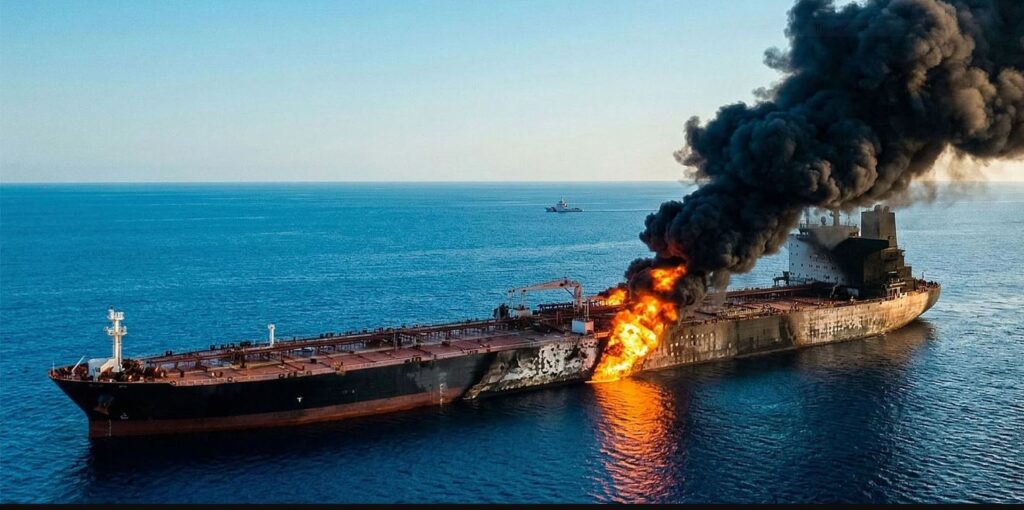
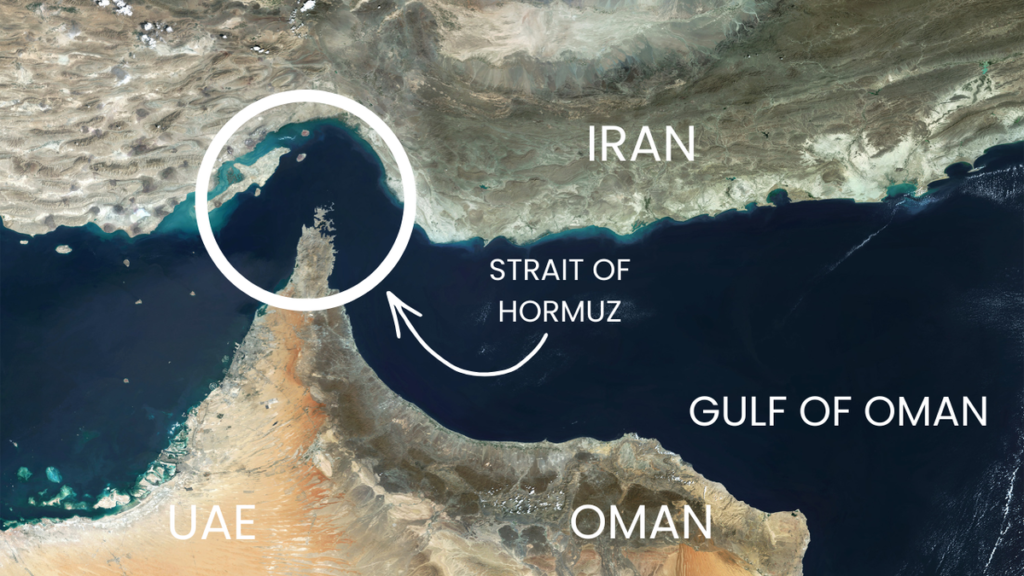
The recent attack on one Marshall Islands-flagged vessel in the northern Persian Gulf has once again raised questions about the security of the Strait of Hormuz. This area is considered very important to the world, as about 20 percent of the world’s oil supply passes through it. Now in the second week of the ongoing war between the United States and Iran, the attack raised concerns in global trade and oil markets.
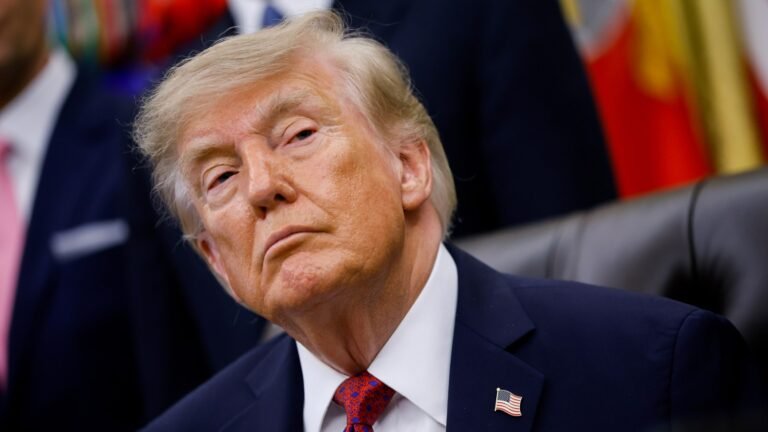
According to information, the US is conducting a major military operation called “Operation Epic Fury” from February 28th. As part of this campaign, U.S. forces have so far attacked over 5,500 Iranian positions. According to reports, more than 60 ships have been sunk while operating at sea. Former US President Donald Trump described the operation as a major success, saying the United States was getting closer to its goal but that pressure on Iran would continue.
Iran, meanwhile, also confirmed the attack on the ship. Iranian officials say the attack was carried out after a warning, and now they want talks on a ceasefire (ceasefire) with some conditions to end the war. However, there are no signs of a concrete agreement between the US and Iran.
The Strait of Hormuz is strategically one of the world’s most sensitive sea routes. This is the route through which countries like Saudi Arabia, Kuwait, Iraq, Qatar and the United Arab Emirates are transporting their oil to different markets in the world. If the threat to this path increases, oil prices around the world could rise sharply.
The effects of the war are already beginning to show on the global oil market. According to reports, crude oil prices have risen to above $86 a barrel. Higher oil prices could also threaten global inflation, as transportation, electricity and industry are all directly affected.
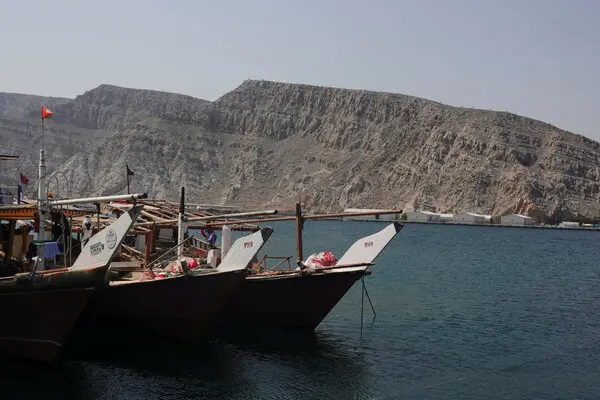
To handle this situation, the United States has decided to release approximately 172 million barrels of oil from its strategic petroleum reserves into the market. The government hopes that increased oil supply in the market will bring some price control. However, many experts acknowledge that if the war dragged on long, then simply releasing oil from reserves would not be enough.
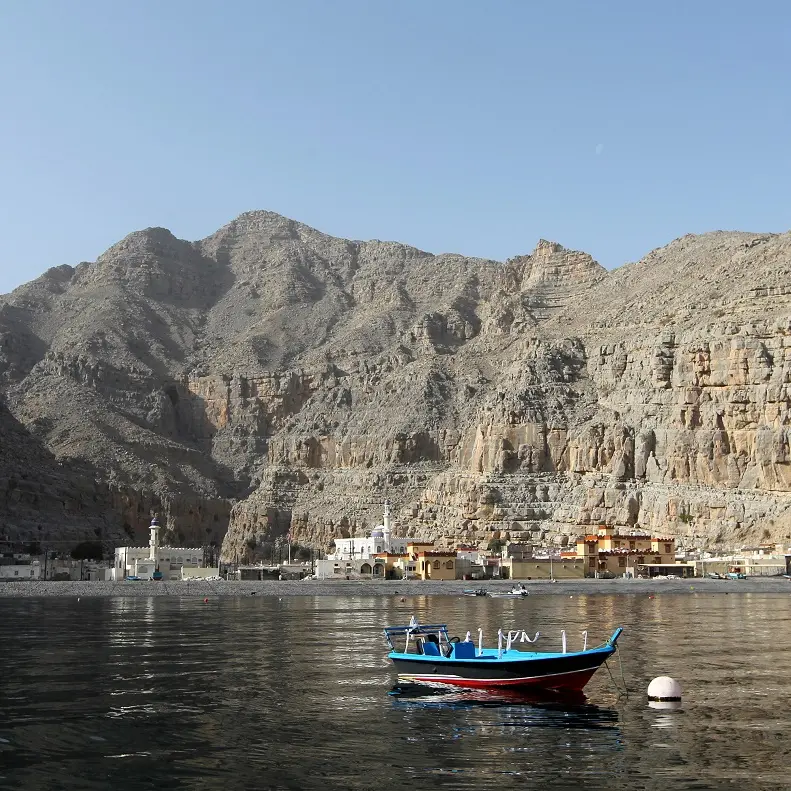
Countries around the world are currently monitoring the situation in the Strait of Hormuz. If attacks or conflict escalate in the region, global trade and energy security could be severely affected.
At the moment, there are no clear signs of easing tensions between the United States and Iran. Experts say diplomatic talks will be essential in the coming days, as the impact of the war could be not limited to the Middle East but the entire world economy.