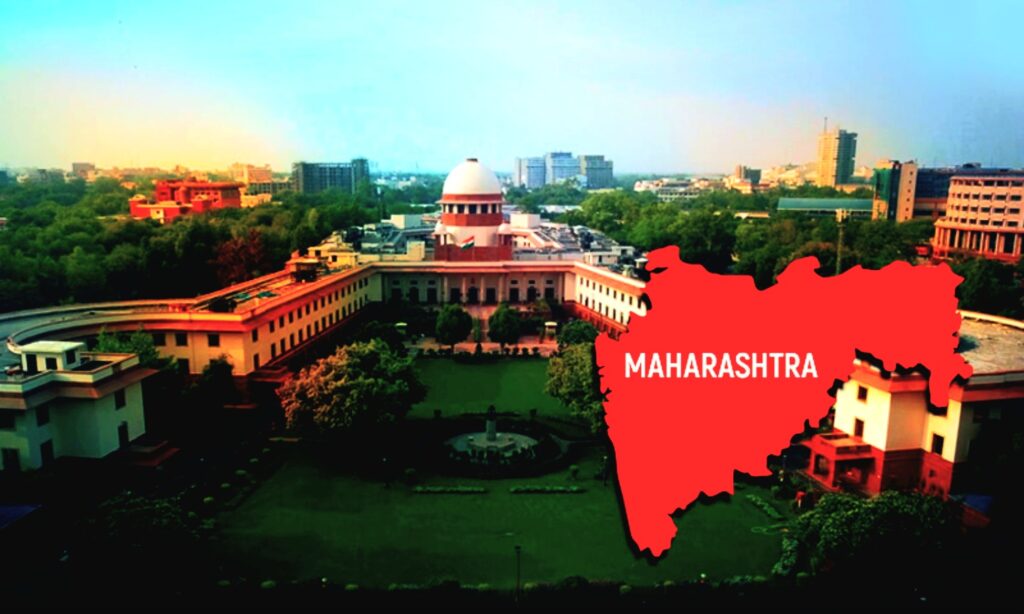
The issue of OBC reservation in local bodies in Maharashtra has long been a focus of legal, social, and political debate. Article 142 OBC Reservation Case recent Supreme Court ruling has given this debate a new direction. The court not only questioned previously issued reservation notifications but also clarified that any reservation can only be granted within the constitutionally prescribed 50% limit.
Using Article 142 OBC Reservation Case, the Supreme Court ensured that the election process is not stalled and that OBC reservations are based on accurate and updated data. Furthermore, the court also stated that all communities must receive fair and balanced representation. This directive is considered crucial for the future process.
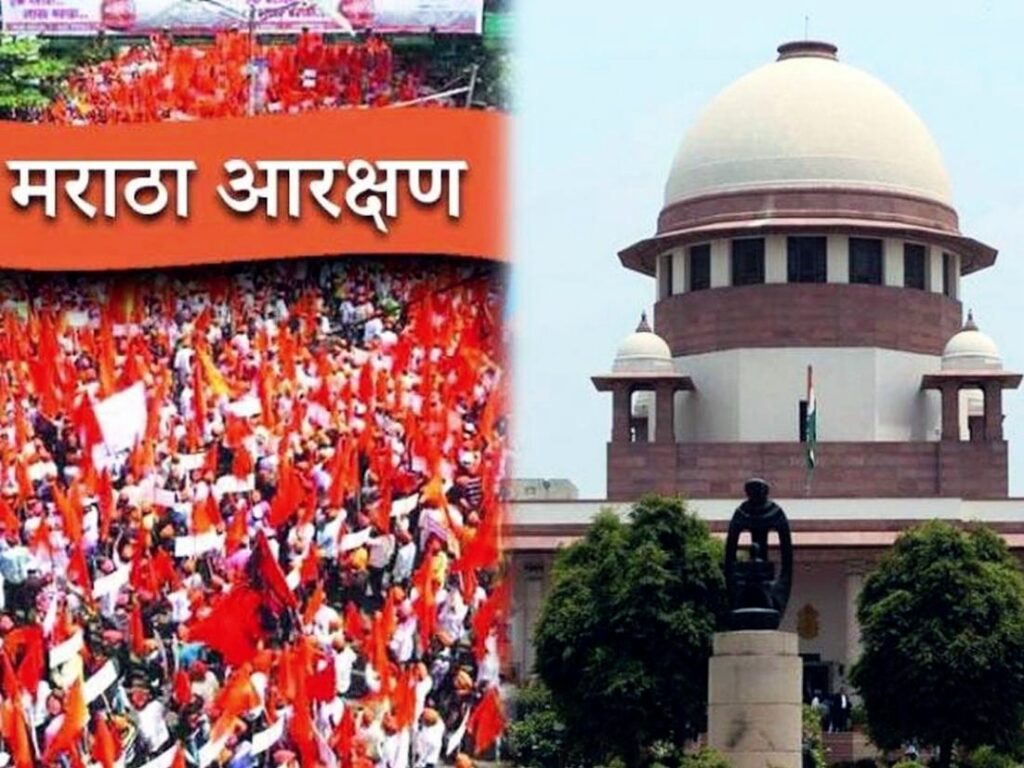
Under this ruling, some previously issued reservation notifications (2018 and 2020) by the Election Commission have also been annulled because they exceeded the 50% limit. Where seats reserved for OBCs were found to be in violation of the rules, the court ordered them to be re-declared as “general” seats so as not to disrupt the election process. The Supreme Court made all these amendments under Article 142 OBC Reservation Case of the Constitution, which aims to ensure “complete justice.” Furthermore, the Maharashtra Election Commission was directed to expedite local body elections based on the new delimitation (new ward boundaries).
The court issued this ruling because it wanted all communities, including OBCs, to receive equitable representation, while ensuring that reservations remained balanced and within constitutional limits. Fresh, reliable data on the Article 142 OBC Reservation Case population in Maharashtra was unavailable, so the court required a robust and updated report so that reservations were not based on estimates or outdated data. Previous reservation announcements contained numerous errors, which the court intervened to correct.
The impact of this decision is politically significant—while it provides a path to continued reservations for the OBC category, its scope will be limited due to the 50% limit. The major challenge at the administrative level will be that the appointment of the commission, preparation of the report, separate analysis of each local body, and subsequent coordination with the Election Commission—all of these are time-consuming processes. This could delay elections and increase political debate. There is also the possibility that some parts of this decision will be challenged in court later.
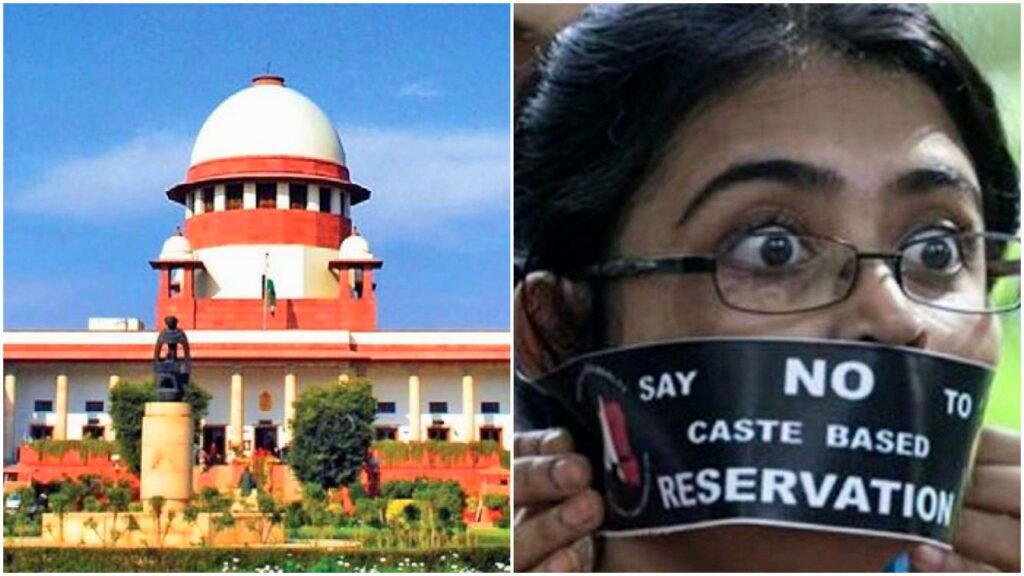
This Supreme Court decision is an important step towards advancing Article 142 OBC Reservation Case reservation within constitutional limits. Collecting new data, appointing the commission, and conducting separate analysis of each local body will certainly be challenging for the administration. However, these steps are expected to make the reservation process more transparent, equitable, and fact-based in the future.
This decision will also have a clear impact on the political environment, and further legal challenges may arise. Nevertheless, the court’s primary objective is clear—to ensure representation for all sections that is not only equitable, but also constitutionally consistent and long-term sustainable.