
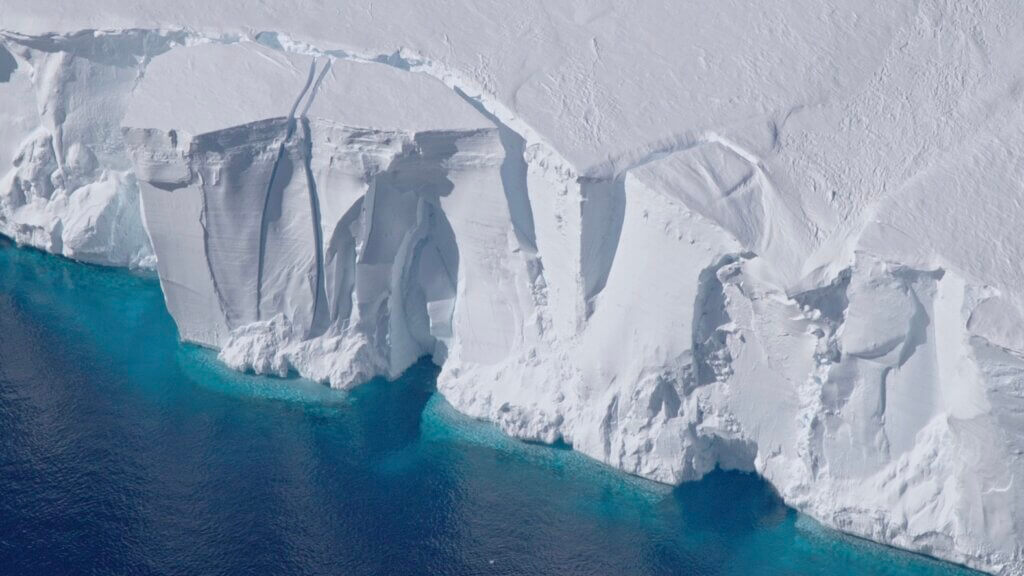
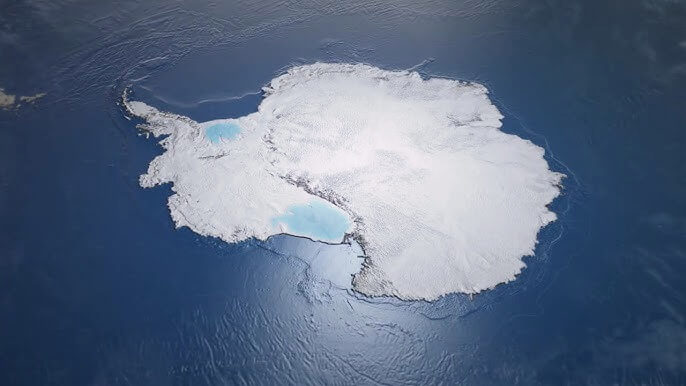
The Antarctic ice sheet is the largest single mass of ice on Earth covering an area of about 14 million square kilometers. To put this in perspective, it’s larger than the United States and Mexico combined. This frozen continent holds approximately 90% of the world’s fresh water locked in its icy grasp, making it the planet’s largest freshwater reservoir.
Unbelievable Thickness and Depth
One of the most staggering Antarctic ice sheet facts is its incredible depth. The ice sheet reaches thicknesses of up to 4.8 kilometers (3 miles) in some areas. Imagine stacking 15 Empire State Buildings on top of each other – that’s how deep the ice goes in certain parts of Antarctica. The average thickness across the entire continent is about 2.1 kilometers (1.3 miles).
Ancient Ice Telling Climate Stories
Antarctic Ice Sheet contains climate records dating back over 800,000 years Scientists drill deep into the ice to extract ice cores that reveal ancient atmospheric conditions. These frozen time capsules contain bubbles of ancient air, dust particles, and chemical traces that help us understand Earth’s climate history. Each layer of ice represents a year of snowfall, creating a natural archive of our planet’s past.
How the Ice Sheet Affects Global Sea Levels
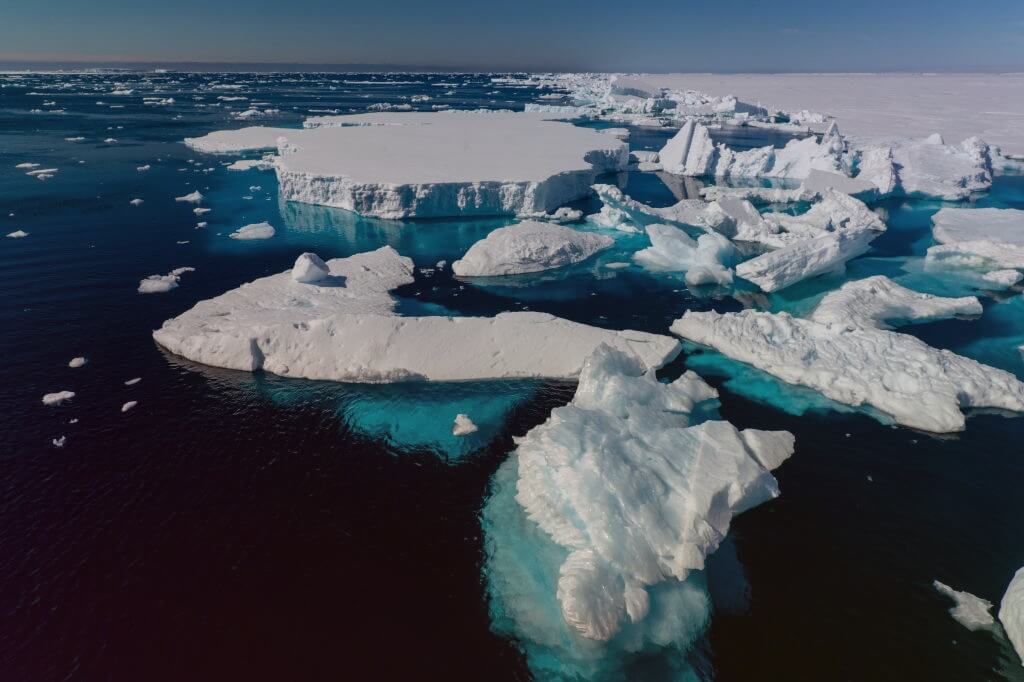
If the entire Antarctic ice sheet melted, global sea levels would rise by approximately 60 meters (200 feet) This fact underscores the critical importance of Antarctica’s stability to coastal communities worldwide. Currently, the ice sheet contributes to sea level changes through melting and calving of icebergs. The Antarctic ice sheet contains enough ice to raise global sea levels by 57.9 meters if it completely melted, which would reshape the world’s coastlines dramatically.
The Moving Ice: Glaciers and Ice Streams
Despite being solid ice, Antarctica is constantly in motion. The ice sheet moves through glaciers and ice streams that flow toward the coast Some of these ice rivers move surprisingly fast – up to several kilometers per year. When these ice streams reach the ocean, they form massive floating ice shelves that extend over the water, acting as brakes for the glaciers behind them.
Extreme Environment and Weather
Antarctica holds the record for the coldest temperature ever recorded on Earth. The lowest temperature ever recorded was -89.2°C (-128.6°F) at Vostok Station This extreme cold preserves the ice sheet and creates unique weather patterns. The continent is also the windiest place on Earth, with katabatic winds rushing down from the high interior plateaus to the coast at incredible speeds.
Why the Ice Sheet Matters to Everyone
The Antarctic ice sheet acts as a global air conditioning system by reflecting sunlight back into space. This albedo effect helps regulate Earth’s temperature. Additionally, the cold waters around Antarctica drive global ocean currents that distribute heat around the planet and influence weather patterns worldwide. Changes in the ice sheet can disrupt these vital systems.
Scientific Research and Discoveries
Researchers from around the world study the Antarctic ice sheet to understand climate change. Scientists have discovered that the ice sheet is losing mass at an accelerating rate Recent studies using satellite measurements show that Antarctica is losing about 150 billion tons of ice annually. This research helps predict future sea level rise and understand how polar regions respond to global warming.
Surprising Facts About the Ice Sheet
- · Beneath the thick ice lie hidden lakes and mountain ranges including Lake Vostok, one of the largest subglacial lakes
- · The weight of the ice sheet is so great that it depresses the continental bedrock by up to 2,500 feet in some areas
- · If the ice were removed, Antarctica would actually rise in a process called isostatic rebound
· The ice sheet contains meteorites from space that are perfectly preserved making Antarctica the world’s best natural meteorite collection site
The Future of Antarctica’s Ice
Understanding Antarctic ice sheet facts is crucial for predicting our climate future. The stability of the West Antarctic Ice Sheet is of particular concern to scientists because much of it sits on bedrock below sea level, making it potentially vulnerable to rapid collapse. Continued monitoring and research will help us better understand how this frozen giant will respond to our warming world and what that means for future generations across the globe.


Whoa, Antarctica sounds like the ultimate extreme sports venue – think ice skiing down glaciers moving several kilometers per year, but the only prize is avoiding raising sea levels! The idea of it being Earths natural meteorite collection site is just brilliant – basically, if you drop something, its sorted! And the whole global air conditioning system bit is crucial; we really dont want it getting a fever and deciding to stop reflecting sunlight, do we? Plus, finding hidden lakes and mountain ranges under all that ice is like the ultimate treasure hunt, though I suspect the cold might put a damper on the celebration!laser marking machine
Who wouldnt be a bit nervous knowing Antarctica holds the record for the coldest temperature ever recorded (-128.6°F)? Its the ultimate natural air conditioning system, reflecting sunlight like a cosmic mirror! But heres the kicker: if all that incredible ice melted – think 60 meters of sea level rise – it seems the continent itself might eventually bounce back, literally rising like a post-ice age balloon. Talk about a land thats seen both the coldest and potentially the highest temperatures! The research is fascinating, though a bit scary knowing were losing ~150 billion tons of ice annually – thats like融化掉一个小型山脉的重量 every year! And hidden lakes and meteorites under the ice? Antarctica is like Earths own secret, icy treasure chest!deltarune the prophecy
[…] of Wind Intermittency energy has traveled from a technical curiosity to a major global industry in the last two decades. In […]
Can you be more specific about the content of your article? After reading it, I still have some doubts. Hope you can help me.
Your article helped me a lot, is there any more related content? Thanks!
Thank you for your sharing. I am worried that I lack creative ideas. It is your article that makes me full of hope. Thank you. But, I have a question, can you help me?