
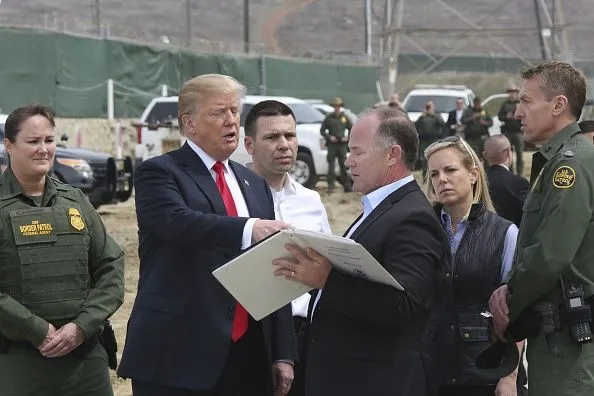
President Donald Trump on Monday moved to reshape the criminal justice and public order debate by signing two high-profile executive orders. Both measures are designed to project a tougher stance on crime and national symbols while igniting constitutional debate.
Trump Executive Order Cashless Bail
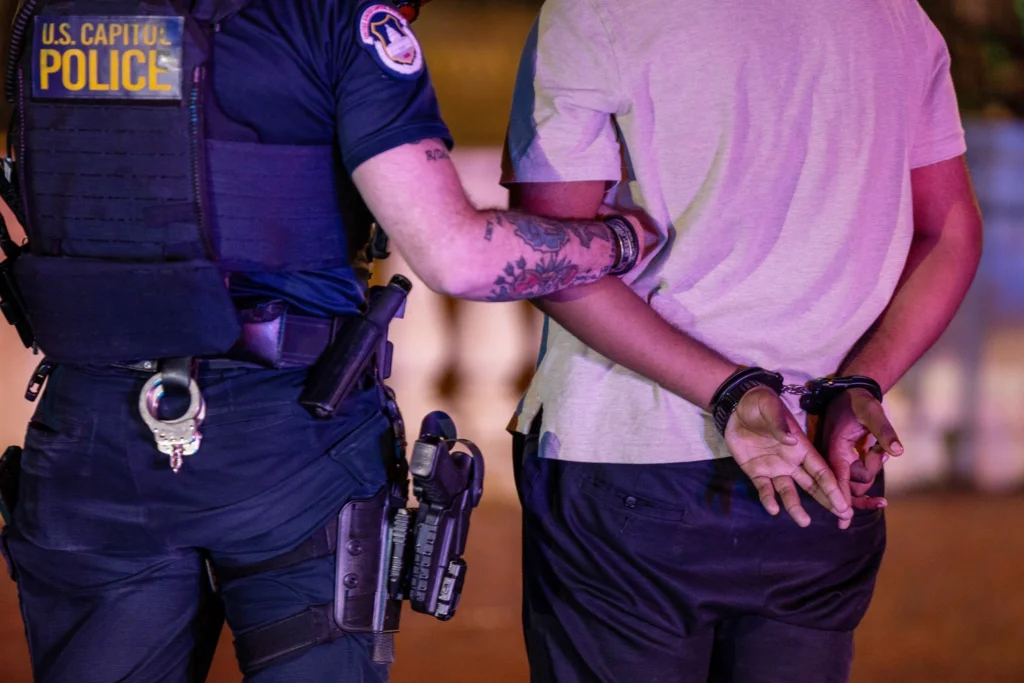
The first order focuses on ending cashless bail systems that have gained traction in states like Illinois, New York, and California. Trump executive order cashless bail directs Attorney General Pam Bondi to identify jurisdictions releasing defendants without monetary bail and restrict their federal funding.
Washington, D.C. is a central target of this directive, with the order encouraging federal authorities to detain suspects pretrial, even if local policies recommend release. Supporters argue this step prioritizes community safety, while critics say it undermines reforms aimed at reducing inequality in the justice system.
Crackdown on Flag Desecration
The second executive order addresses flag desecration, an issue Trump has long highlighted. It instructs the Justice Department to prosecute individuals who burn or deface the American flag. The order also explores legal avenues to challenge the 1989 Supreme Court ruling that protects flag-burning under the First Amendment.
In addition, immigrants convicted of such acts could face detention or deportation.
Advertisement
Political and Legal Implications
These moves reflect Trump’s broader strategy to align his administration with “law and order” priorities ahead of the 2026 midterm elections. Legal experts predict both orders will encounter strong challenges in court—especially the flag-burning directive, which directly conflicts with free speech protections.
Whether these measures survive legal scrutiny or not, they highlight Trump’s intent to draw sharp contrasts on crime, justice, and patriotism in the coming political battles.

I don’t think the title of your article matches the content lol. Just kidding, mainly because I had some doubts after reading the article.
Thank you for your sharing. I am worried that I lack creative ideas. It is your article that makes me full of hope. Thank you. But, I have a question, can you help me?