

South Korea Strategic Pivot the center is Lee’s delicate balancing act. Days before meeting Trump, he extended an olive branch to Beijing, signaling a desire to “normalize ties” and strengthen economic cooperation with China. This outreach underscores Seoul’s pragmatic approach: while deepening its U.S. alliance, it cannot afford to alienate its largest trading partner.
Trade remains a flashpoint. The much-touted July investment agreement—worth $350 billion in U.S. projects and an additional $100 billion in American energy purchases—was hailed as a breakthrough. Yet behind the numbers, doubts linger. U.S. agencies question whether the framework is too favorable to Seoul, while South Korea resists any unilateral attempts to reopen the deal. The uncertainty exposes how fragile Trump’s transactional diplomacy can be.

Equally consequential is the military dimension. Washington is pressing Seoul to raise defense spending and consider greater flexibility in deploying U.S. troops across the Indo-Pacific, including the Taiwan Strait. For South Korea, this raises difficult questions: can it remain a reliable U.S. ally without provoking China—and without eroding domestic confidence in America’s security commitments?
Finally, the South Korea Strategic Pivot sectoral scope of cooperation highlights the stakes. South Korea’s investments span semiconductors, batteries, shipbuilding, and energy, directly tying its corporate giants to America’s industrial strategy. These industries are not just economic engines—they are strategic pillars in the race for technological and energy security.
In short, Lee’s Washington visit signals more than trade concessions. It is about redefining South Korea’s global posture—balancing economic pragmatism, alliance politics, and strategic industry at a moment of profound geopolitical uncertainty.
South Korean President Lee Jae-Myung’s first White House summit with Donald Trump is far more than a ceremonial handshake. It reflects a decisive moment where Seoul must recalibrate its role between the United States, China, and a shifting regional order.
Advertisment
At the center is Lee’s delicate balancing act. Days before meeting Trump, he extended an olive branch to Beijing, signaling a desire to “normalize ties” and strengthen economic cooperation with China. This outreach underscores Seoul’s pragmatic approach: while deepening its U.S. alliance, it cannot afford to alienate its largest trading partner. South Korea Strategic Pivot
Trade remains a flashpoint. The much-touted July investment agreement—worth $350 billion in U.S. projects and an additional $100 billion in American energy purchases—was hailed as a breakthrough. Yet behind the numbers, doubts linger. U.S. agencies question whether the framework is too favorable to Seoul, while South Korea resists any unilateral attempts to reopen the deal. The uncertainty exposes how fragile Trump’s transactional diplomacy can be.
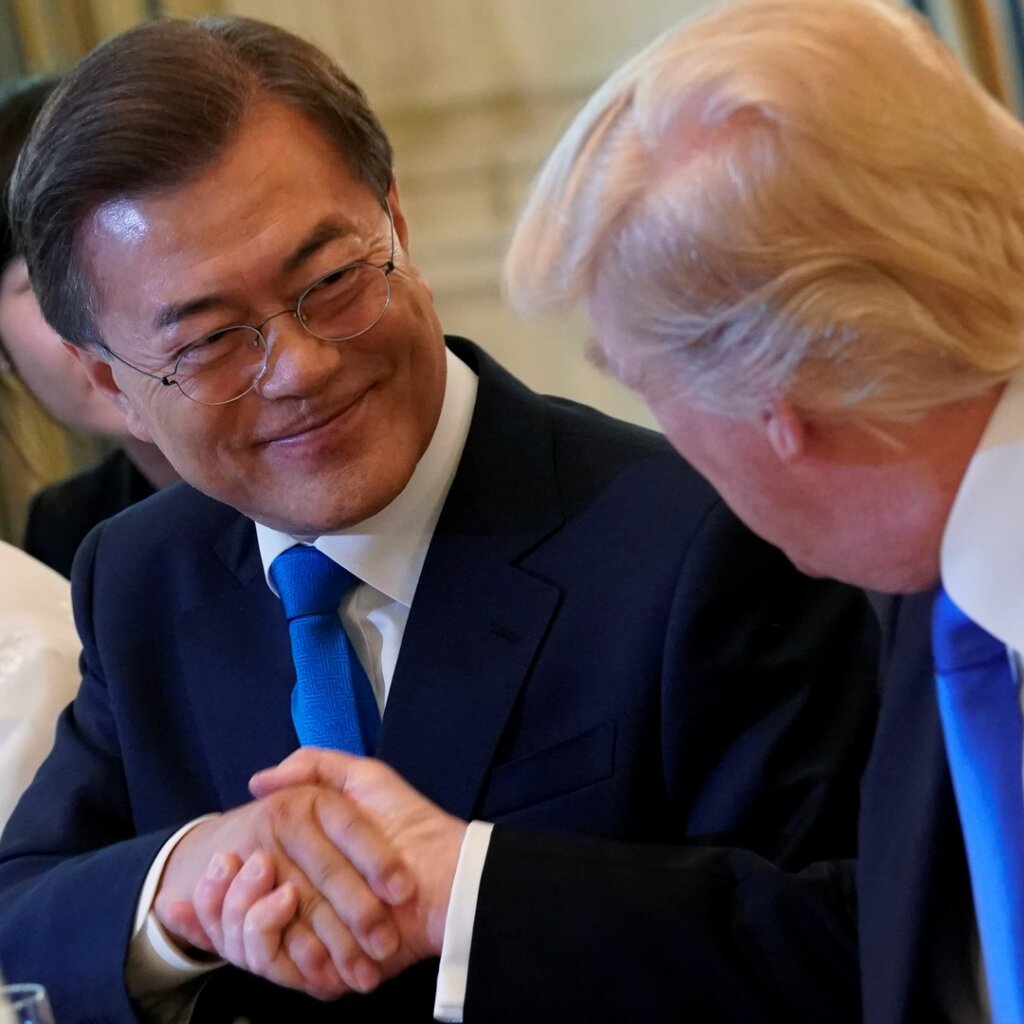
Equally consequential is the military dimension. Washington is pressing Seoul to raise defense spending and consider greater flexibility in deploying U.S. troops across the Indo-Pacific, including the Taiwan Strait. For South Korea, this raises difficult questions: can it remain a reliable U.S. ally without provoking China—and without eroding domestic confidence in America’s security commitments?
Finally, the sectoral scope of cooperation highlights the stakes. South Korea’s investments span semiconductors, batteries, shipbuilding, and energy, directly tying its corporate giants to America’s industrial strategy. These industries are not just economic engines—they are strategic pillars in the race for technological and energy security.
In short, Lee’s Washington visit signals more than trade concessions. It is about redefining South Korea’s global posture—balancing economic pragmatism, alliance politics, and strategic industry at a moment of profound geopolitical uncertainty.

Interesting analysis! Seeing platforms like BigBunny blend Filipino culture with online gaming is really cool. Makes the experience more engaging – check out their bigbunny login for a unique vibe! Definitely a new level of entertainment.
Thank you for your sharing. I am worried that I lack creative ideas. It is your article that makes me full of hope. Thank you. But, I have a question, can you help me?
I don’t think the title of your article matches the content lol. Just kidding, mainly because I had some doubts after reading the article.
Your point of view caught my eye and was very interesting. Thanks. I have a question for you. https://www.binance.com/register?ref=IHJUI7TF