
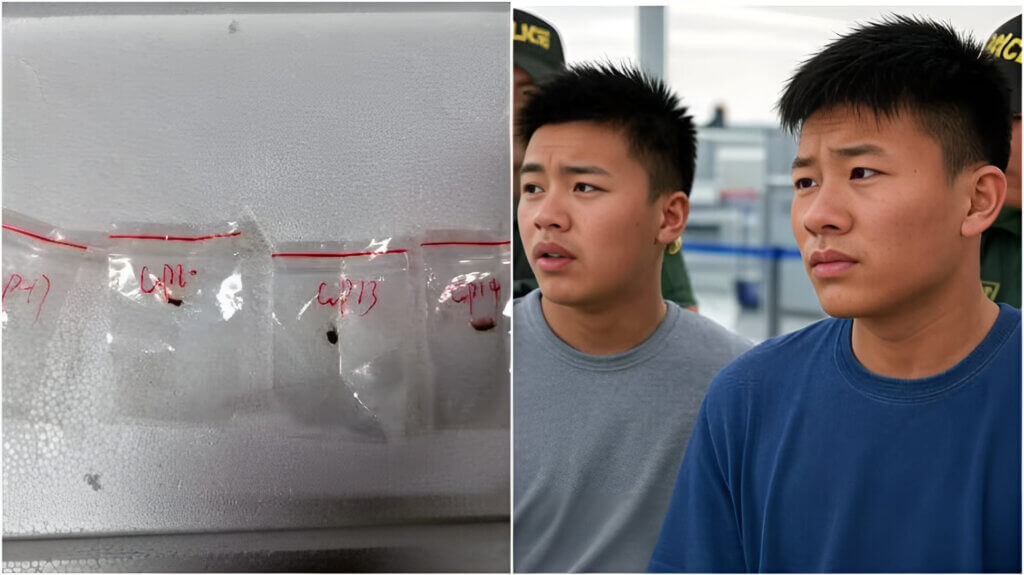
Recently, the U.S. Department of Justice accused two Chinese nationals — Yunqing Jian and Zunyong Liu — of illegally bringing a dangerous Fungus Fusarium graminearum called Fusarium graminearum into the U.S. This fungus infects crops such as wheat, barley and rice and is therefore considered an agroterrorism agent.
- Is the unauthorized use of biological agents a real agroterrorism threat to American agriculture?
- Are stricter vetting policies necessary for international researchers, or will this harm research collaboration?
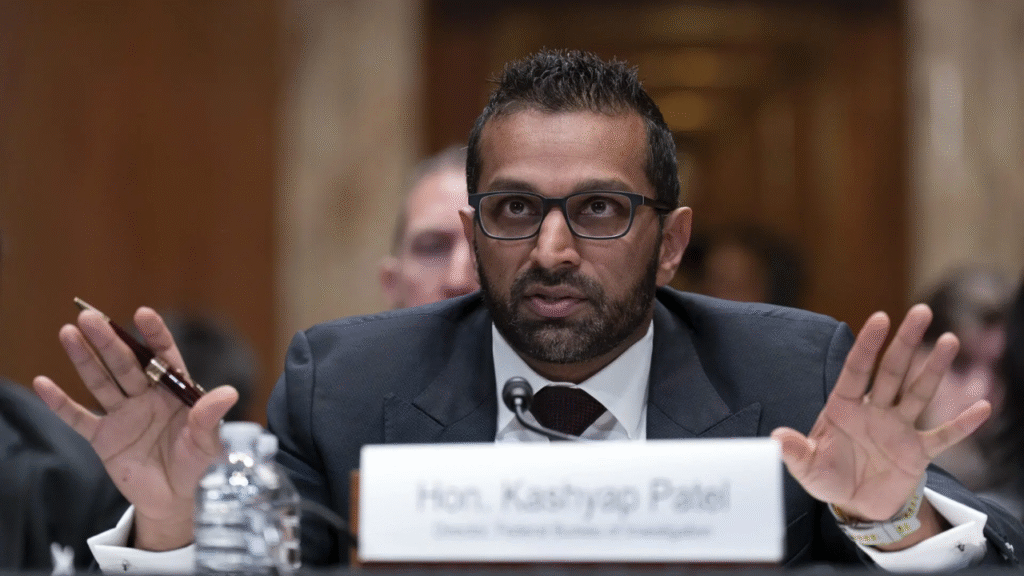
Fungus Fusarium graminearum: A Bio-Weapon?
Fusarium graminearum is not a normal fungus. It causes a disease called “head blight” that can destroy crops. The Fungus Fusarium graminearum contaminates grains with mycotoxins — which are harmful to both humans and animals.
Its dangers:
- Unauthorized research: Two researchers allegedly grew this fungus in Michigan without federal approval.
- Agricultural risk: If this fungus is intentionally released, it can destroy the crops of the entire Midwest.
- Security loopholes: Universities have weak systems to detect such biological risks.
That is, this Fungus Fusarium graminearum could become not just a biological research sample, but a potential weapon.
International Researchers: Role of friends or fraudsters?
U.S. universities host thousands of international students and researchers every year. But cases like these lead to a breakdown of trust.
So should we have stricter background checks for foreign researchers?
In the name of stricter vetting:
- Protects national security.
- Prevents unauthorized biological access.
- Makes research regulations stronger.
Opposition to stricter vetting:
- Xenophobia and anti-China sentiments are encouraged.
- Genuine talent is discouraged.
- Scientific innovation can be slowed down.
That is, it is important to strike a balance – security as well as openness.
Conclusion: A Warning Bell for U.S. Policy Makers
This incident is not an isolated case. It is a warning bell – that the national security angle cannot be ignored in sensitive research fields. The U.S. needs a policy that builds a solid bridge between global collaboration and security.
The threat of agroterrorism is real – and tackling it is not just the government’s job, but the collective responsibility of universities and the public as well.



I don’t think the title of your article matches the content lol. Just kidding, mainly because I had some doubts after reading the article.
Your point of view caught my eye and was very interesting. Thanks. I have a question for you. https://www.binance.com/register?ref=QCGZMHR6
I don’t think the title of your article matches the content lol. Just kidding, mainly because I had some doubts after reading the article. https://www.binance.com/register?ref=MBLCVVZG
Thank you for your sharing. I am worried that I lack creative ideas. It is your article that makes me full of hope. Thank you. But, I have a question, can you help me?