
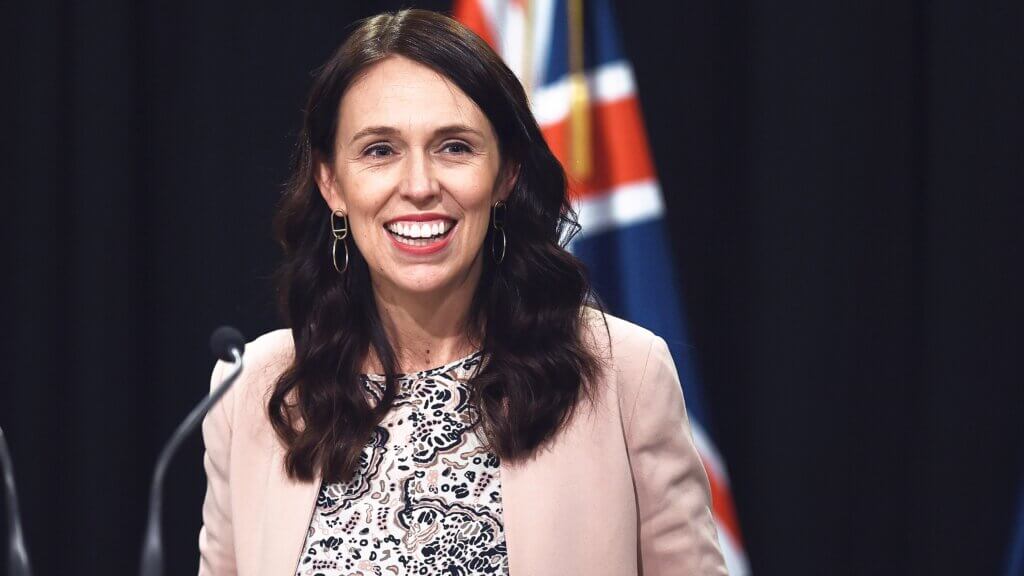
In a time when public rage and political division dominate the global narrative, former New Zealand Prime Minister Jacinda Ardern offered a different path — one based on kindness, empathy, and grace. But in her recent interview with The Guardian, Ardern spoke candidly about why that leadership style may no longer fit today’s world.
Her words bring two critical questions to the surface.
Can Jacinda Ardern’s Kind Leadership Survive in a Politically Polarized World?
During her time as Prime Minister, Jacinda Ardern gained international respect for her calm, composed responses to crises. From the Christchurch mosque attack to COVID-19 and volcanic disasters, Ardern led with heart, not ego.
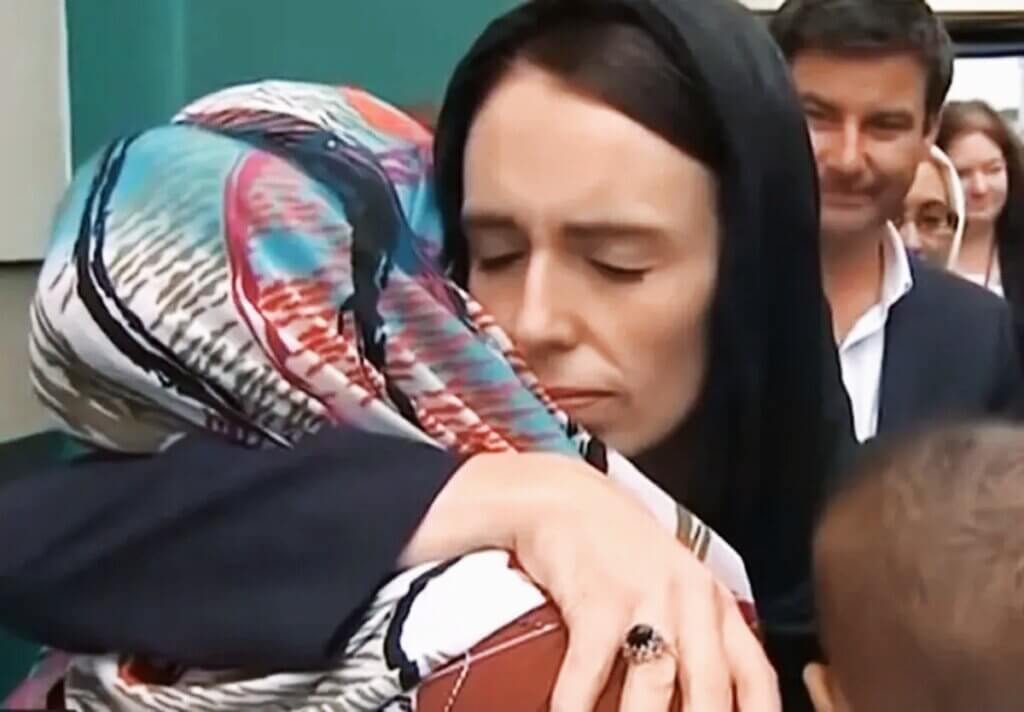
Yet, she admits in the interview:
“There was a real mood shift… kindness was no longer seen as strength.”
In an era shaped by Donald Trump-style rhetoric and increasing political hostility, many voters now associate power with aggression. Jacinda Ardern’s leadership, though admired globally, struggled to thrive in a culture that rewards confrontation over compassion.
Can her approach survive today’s climate? It’s possible — but only if society chooses to uplift leaders who heal rather than divide.
Social Media and the Price Jacinda Ardern Paid for Leading with Empathy
Another key topic in Jacinda Ardern’s interview was the impact of social media on her mental health and safety. Ardern faced growing waves of abuse, trolling, and online hate — particularly after taking firm stances on gun control and public health.
She noted:
“There’s a difference between criticism and dehumanization. We crossed that line.”
This isn’t just her story. Many empathetic leaders, especially women, are stepping back from politics because platforms like Twitter and Facebook offer little protection against digital violence.
Jacinda Ardern’s decision to resign reflects a broader issue: if we allow social media to become too toxic, democratic leadership becomes unsustainable for those unwilling to fight dirty.
Final Thoughts on Jacinda Ardern’s Legacy
Jacinda Ardern didn’t step down because she failed. She stepped down because we, as a society, failed to support a model of leadership built on kindness.
Her story is a warning and a lesson: if we continue to silence compassionate voices, we might win political battles — but we’ll lose the soul of democracy.




Thank you for your sharing. I am worried that I lack creative ideas. It is your article that makes me full of hope. Thank you. But, I have a question, can you help me?
Your article helped me a lot, is there any more related content? Thanks!
Your point of view caught my eye and was very interesting. Thanks. I have a question for you. https://www.binance.info/register?ref=IXBIAFVY
Your article helped me a lot, is there any more related content? Thanks!
Can you be more specific about the content of your article? After reading it, I still have some doubts. Hope you can help me.